What is Allium Antioxidant?
Allium antioxidants come from a family of plants known for their distinctive flavors and health benefits. This family includes garlic, onions, shallots, and leeks. The antioxidants derived from these plants are known for their ability to neutralize free radicals. Free radicals are unstable molecules that can cause cellular damage, leading to various health issues. By incorporating Allium antioxidants into our diet, we can enhance our body’s defenses against oxidative stress and boost our overall health.Health Benefits of Allium Antioxidant
Allium antioxidants offer a multitude of health benefits. They are not just tasty additions to meals; they can significantly improve our well-being. Research shows that these antioxidants play essential roles in our body’s functions. From strengthening the immune system to reducing inflammation, Allium antioxidants might be the key to a healthier life.Boosting Immune System
One of the standout benefits of Allium antioxidants is their ability to boost the immune system. Regular consumption of Allium-rich foods can enhance the body’s natural defenses. This is because these antioxidants stimulate the production of white blood cells, which are crucial in fighting off infections and diseases. A strong immune system helps keep us healthy and resilient against various pathogens.Anti-inflammatory Properties
Allium antioxidants also possess significant anti-inflammatory properties. Chronic inflammation can lead to numerous health problems, including heart disease and arthritis. By eating Allium vegetables, we can help reduce inflammation in the body. These antioxidants work by inhibiting the production of pro-inflammatory substances. This can lead to better overall health and a decrease in the risk of developing chronic conditions.How to Incorporate Allium Antioxidant in Your Diet
Culinary Uses
Allium plants, like garlic and onions, are fantastic additions to many dishes. I often toss chopped garlic into pasta or stir-fry for that punchy flavor. Grilling onions brings out their natural sweetness. You can add them to salads for crunch and zest. If you love soups, garlic and onions are must-haves for your base. They not only enhance taste but also boost your health with their antioxidant properties. Don’t forget that raw garlic has unique benefits too. Try mixing it into dressings or spreading on toast. The more you experiment, the easier it becomes to enjoy Allium in everyday meals.Supplement Options
If cooking isn’t your thing, don’t worry. Allium antioxidants are available in supplement form. Garlic extract and onion powder are popular. They come in capsules or tablets, making it easy to include in your routine. When choosing a supplement, check for quality. Look for products that are standardized for allicin content, which is the active compound in garlic. Always consult a healthcare provider before starting supplements, especially if you have health conditions or are taking medication. It’s essential to ensure they fit well with your lifestyle.Scientific Research on Allium Antioxidant
Recent Findings
Recent studies have shed light on the powerful effects of Allium antioxidants, particularly those found in garlic and onions. Research indicates that these antioxidants can significantly reduce oxidative stress in the body. A study published in a renowned journal highlighted that the sulfur compounds in garlic enhance the body’s natural defense systems. This means they not only fight free radicals but also support overall health. Furthermore, experts have linked Allium antioxidants to improved heart health. They can lower blood pressure and cholesterol levels, reducing the risk of cardiovascular diseases. Another fascinating discovery is that Allium antioxidants may have a role in cancer prevention. Some studies suggest that regular consumption of Allium-rich foods is associated with a lower risk of certain cancers, such as stomach and colorectal cancers. This connection is mainly due to their ability to inhibit tumor growth and improve the immune response. Additionally, recent findings revealed that these antioxidants could help with cognitive functions. They may reduce the risk of age-related decline in memory and enhance overall brain health. It’s evident more than ever that integrating Allium into your diet can be a simple yet effective step towards maintaining not just physical health but mental well-being too.Potential Side Effects
Despite the numerous benefits, it’s important to be aware of potential side effects associated with Allium antioxidants. Some individuals may experience digestive issues, particularly when consuming large quantities of garlic and onions. Bloating, gas, and heartburn are common complaints. For those with sensitive stomachs, consuming raw Allium might exacerbate these symptoms. Another consideration is the blood-thinning properties of garlic. While this can be beneficial for many, it may pose a risk for individuals on anticoagulant medications. It’s essential to consult with a healthcare provider if you’re considering making significant dietary changes or taking supplements. Lastly, some people may have allergies or sensitivities to Allium vegetables. Symptoms can range from mild reactions like skin rashes to more severe responses, such as difficulty breathing. Anyone experiencing adverse reactions should seek medical advice promptly. Overall, while Allium antioxidants are incredibly beneficial, moderation is key to avoid any unwanted side effects.What makes allium vegetables high in antioxidants?
Allium vegetables contain sulfur compounds and flavonoids that naturally increase antioxidant activity. This is why allium antioxidant recipes help reduce inflammation and support immune health.
What are the healthiest allium-rich foods?
Garlic, onions, leeks, shallots, and chives are the most antioxidant-rich allium vegetables. They are ideal for creating nutrient-dense and anti-inflammatory allium antioxidant recipes.
Can allium antioxidant recipes support immunity?
Yes, allium-rich meals strengthen immune function thanks to high levels of quercetin and sulfur compounds. Regularly adding allium antioxidant recipes to your diet can help boost overall immunity.
You can also watch Gluten-Free recipes like Smoked Salmon Fish Dip and Twice-Baked Garlic Potatoes. For more insights on gluten-free cooking, consider exploring our in-depth articles on ingredient substitutions and cooking techniques that enhance flavor and texture.
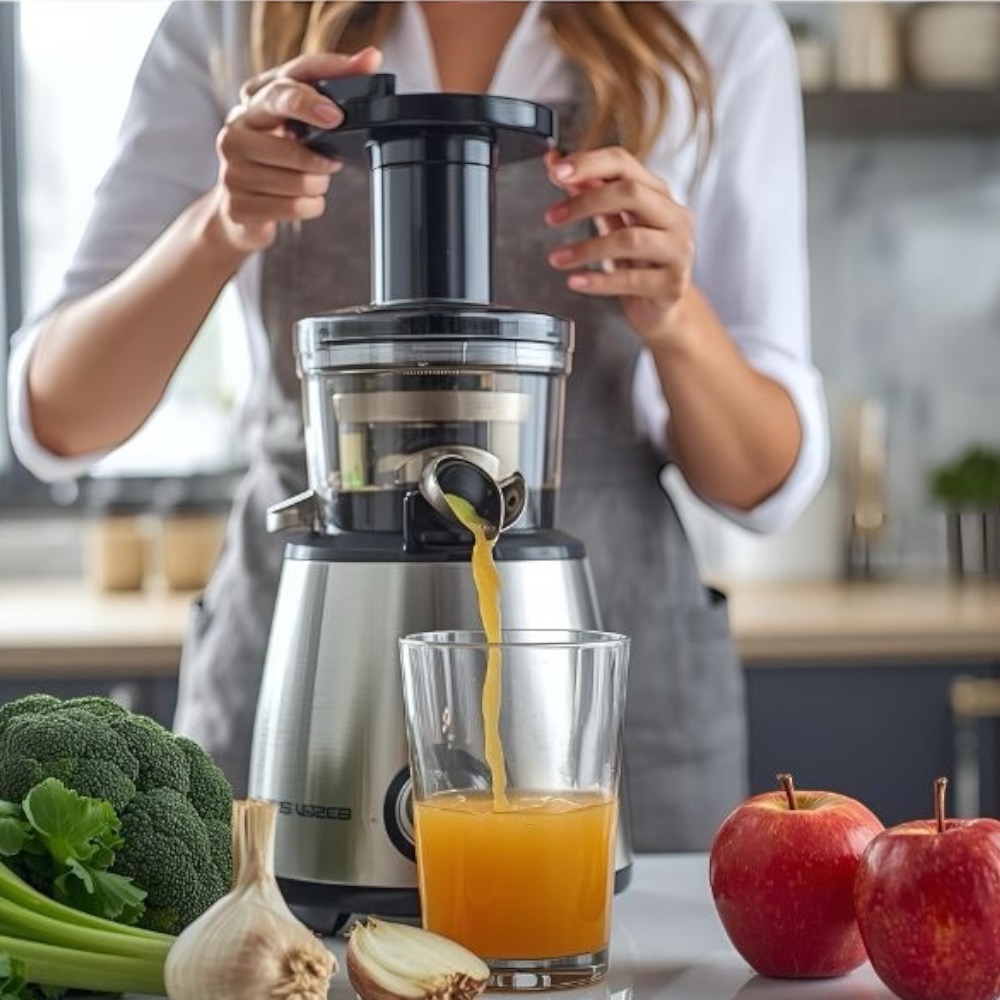
 Using a juicer, process celery, onion, garlic, broccoli and apple. Whisk and pour into a glass.