Easy Recipes with Onion
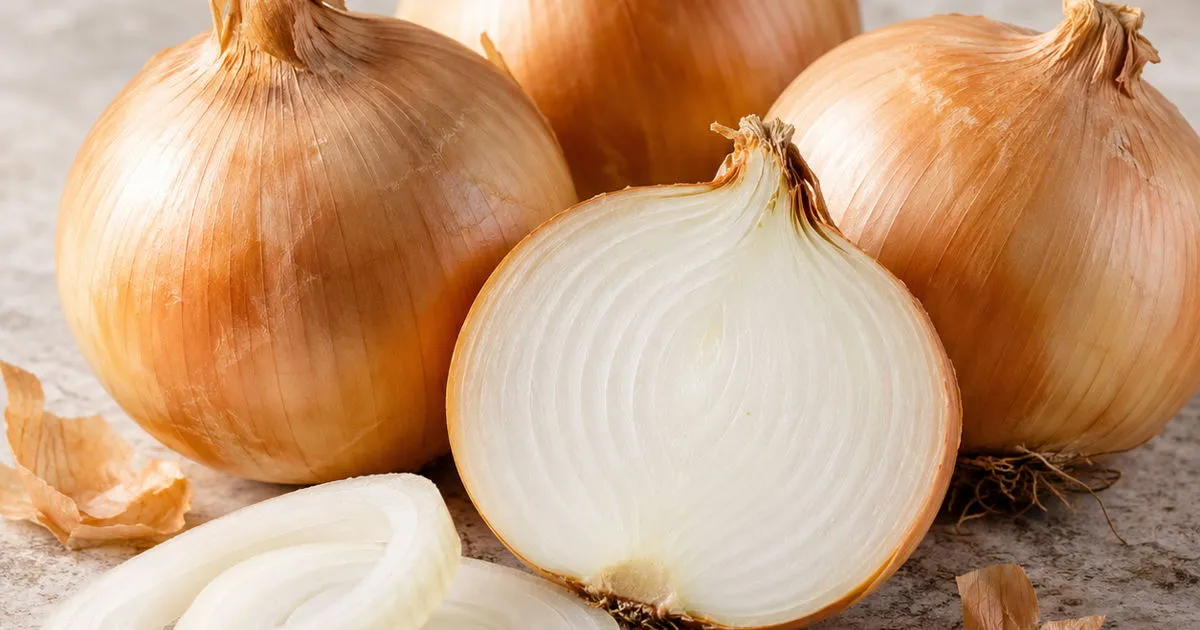
Onion is a versatile cooking ingredient used to add savory flavor, aroma, texture, and natural sweetness to countless recipes. Onions can be served raw, sautéed, roasted, grilled, caramelized, or added to soups, sauces, casseroles, and salads. They pair especially well with garlic, olive oil, butter, and chicken. Explore easy recipes with onion and discover flavorful ideas for appetizers, lunch, dinner, side dishes, soups, and everyday meals.
Best Onion Recipes
Read more about onion
What Is an Onion?
Onion is an aromatic vegetable related to garlic, shallots, leeks, and chives. It grows as a layered bulb covered by a thin, papery skin.
Raw onion can have a crisp texture and a sharp, pungent flavor. Cooking softens the onion and develops a milder, sweeter, and more savory taste.
Common Types of Onions
Different varieties of onions have distinct flavors and culinary uses:
- Yellow onions: Versatile onions commonly used in soups, sauces, stews, casseroles, and roasted dishes.
- White onions: Crisp onions with a clean, sharp flavor that works well in salsa, tacos, and Mexican-inspired dishes.
- Red onions: Colorful onions commonly added raw to salads, sandwiches, burgers, and pickled recipes.
- Sweet onions: Mild onions that are suitable for roasting, grilling, onion rings, and caramelizing.
- Green onions: Slender onions with a mild flavor that can be used raw or cooked as a garnish.
The varieties can often be substituted, but the finished flavor, color, and texture may be slightly different.
How to Choose Fresh Onions
Choose onions that feel firm and heavy for their size. The outer skin should be dry and papery, without wet spots or visible mold.
Avoid onions that feel unusually soft, have damaged areas, or produce a strong spoiled odor. Small sprouts may indicate that an onion has been stored for an extended period.
How to Cut an Onion
Follow these steps to chop an onion:
- Place the onion on a stable cutting board.
- Cut off the stem end while leaving the root end attached.
- Slice the onion in half through the root.
- Remove the papery outer skin.
- Place one half cut-side down and make the required slices.
- Cut across the slices to create evenly sized pieces.
Leaving the root attached while cutting can help hold the onion layers together.
How to Reduce Tears When Cutting Onions
Cutting an onion releases compounds that can irritate the eyes. Using a sharp knife creates cleaner cuts and may reduce the amount released into the air.
Chilling the onion briefly before cutting and working in a well-ventilated area may also help. Avoid touching or rubbing your eyes while handling onions.
Ways to Cook Onions
Onions can be prepared using several cooking methods:
- Sautéing: Cook sliced or chopped onions in oil or butter until softened.
- Caramelizing: Cook onions slowly until deeply golden, soft, and sweet.
- Roasting: Cook onion wedges at high heat until tender and browned around the edges.
- Grilling: Grill thick slices or wedges for a smoky flavor.
- Pickling: Soak thin slices in a vinegar mixture to create a tangy topping.
- Serving raw: Add thinly sliced onion to salads, sandwiches, burgers, and salsa.
Cooking time depends on the variety, thickness of the pieces, temperature, and desired texture.
How to Caramelize Onions
To caramelize onions, slice them evenly and cook them with a small amount of oil or butter over low to medium-low heat. Stir periodically to prevent sticking and uneven browning.
The process takes time because the onions must gradually soften and develop a deep golden color. Avoid using very high heat, which can burn the outside before the onions become soft and sweet.
Ways to Use Onions
Onions add flavor and texture to many recipes:
- Soups, stews, chili, and casseroles
- Pasta sauces, curries, and gravies
- Burgers, sandwiches, tacos, and pizza
- Salads, salsa, and homemade dips
- Roasted vegetables, rice, and potato dishes
- Omelets, frittatas, and breakfast casseroles
- Marinades, relishes, and pickled toppings
Onions are often cooked at the beginning of a recipe to create a flavorful base for the remaining ingredients.
What Can Replace Onion?
Shallots, leeks, green onions, or onion powder may work as substitutes, depending on the recipe. Shallots provide a milder and slightly sweeter flavor, while onion powder adds flavor without changing the dish’s texture.
The correct substitution amount depends on the strength of the ingredient and the role of onion in the recipe. Begin with a small amount and adjust to taste.
How to Store Onions
Store whole onions in a cool, dry, dark, and well-ventilated place. Avoid sealed plastic bags because trapped moisture can encourage deterioration.
Keep cut onions refrigerated in a tightly sealed container. Discard onions that develop mold, excessive softness, a slimy texture, or an unpleasant odor.
Frequently Asked Questions
Which onion is best for cooking?
Yellow onions are a versatile choice for most cooked recipes. They work well in soups, sauces, stews, casseroles, and roasted dishes.
Can red onions be cooked?
Yes. Red onions can be grilled, roasted, sautéed, or caramelized. Cooking softens their sharp flavor, although their bright color may become less intense.
Why do onions become sweet when cooked?
Slow cooking reduces their sharp flavor and allows natural sugars and other flavor compounds to develop, creating a softer and sweeter result.
Can onions be frozen?
Yes. Chopped onions can be frozen for use in cooked dishes. They may become softer after thawing, so they are better suited to soups, sauces, casseroles, and sautés than fresh salads.
Can you eat sprouted onions?
An onion with a small sprout may still be usable if it remains firm and shows no signs of mold or spoilage. Remove the sprout if its flavor is too strong or bitter.