Green Onion Recipes
Green Onion is a mild and versatile ingredient used to add fresh flavor, color, and a light onion aroma to many dishes. Both the white base and green tops are edible and can be served raw or cooked. Green onions pair especially well with eggs, garlic, chicken, and onion. Explore easy recipes with green onions and discover flavorful ideas for breakfast, lunch, dinner, salads, soups, sauces, and everyday meals.
Best Green Onion Recipes
Read more about green onions
What Are Green Onions?
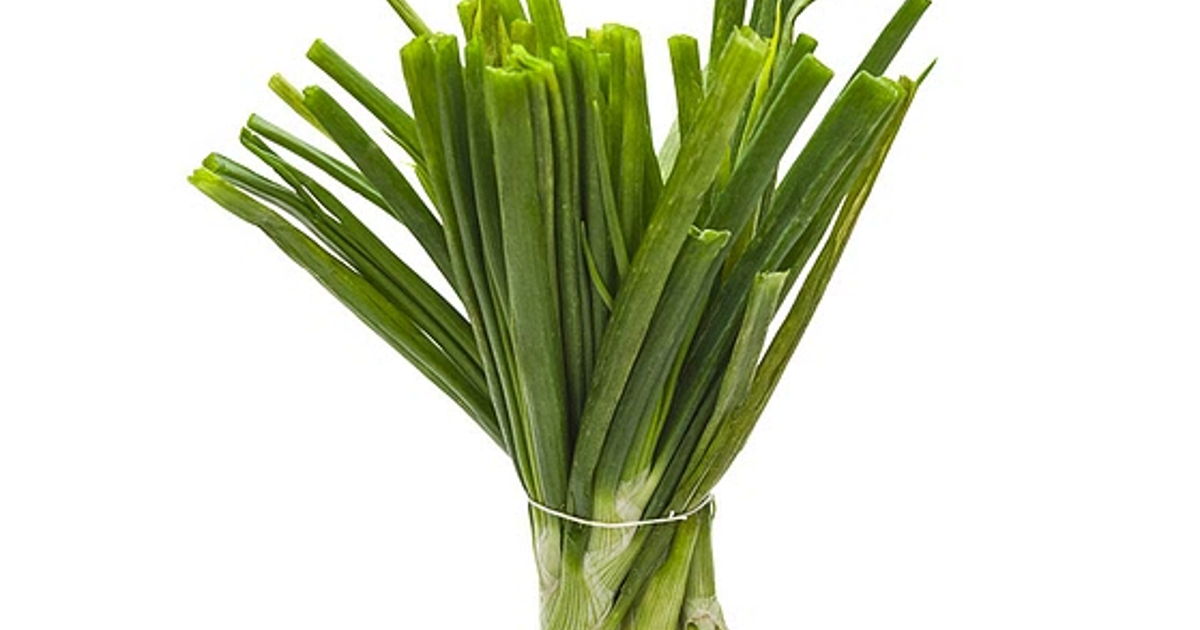
Green onions are young onions harvested before they develop a large, mature bulb. They have a slender white base and long, hollow green leaves.
Both portions are edible. The white part has a stronger onion flavor, while the green tops are milder and work especially well as a fresh garnish.
Green Onions vs. Scallions
In many U.S. recipes, the terms “green onion” and “scallion” refer to the same ingredient. Both typically have long green leaves and a narrow white base without a large, rounded bulb.
Naming can vary by region and grocery store. If a recipe calls for scallions, green onions can generally be used without changing the measurement.
Green Onions vs. Regular Onions
Green onions have a milder, fresher flavor than mature onions. Their green tops can be used as an herb-like garnish, while the white portion adds a gentle onion flavor when cooked.
Regular onions have larger bulbs and a stronger flavor. They are better suited to long cooking, caramelizing, roasting, and recipes that require a substantial amount of onion.
How to Choose Green Onions
Choose green onions with firm white bases and crisp, brightly colored green tops. The leaves should stand upright without excessive wilting.
Avoid bunches with slimy areas, mold, a strong spoiled odor, or severely damaged leaves. Minor dryness at the tips can be trimmed away before use.
How to Prepare Green Onions
Follow these simple steps:
- Rinse the green onions thoroughly under cool running water.
- Remove any damaged or wilted outer leaves.
- Trim away the root ends.
- Cut off any dry portions from the green tops.
- Slice the onions crosswise or lengthwise as required by the recipe.
A sharp knife helps create clean slices without crushing the delicate green leaves.
How to Use the White and Green Parts
The white and green portions have slightly different flavors and uses:
- White portion: Stronger and more suitable for stir-fries, soups, sauces, fried rice, and cooked dishes.
- Light green portion: Mild but flavorful and suitable for both cooking and garnishing.
- Dark green tops: Delicate and best added near the end of cooking or sprinkled over finished dishes.
Unless a recipe specifies otherwise, you can use the entire green onion after removing the roots and damaged ends.
Ways to Use Green Onions
Green onions add fresh flavor and color to many recipes:
- Scrambled eggs, omelets, and breakfast casseroles
- Salads, sandwiches, wraps, and grain bowls
- Soups, noodles, stir-fries, and fried rice
- Tacos, baked potatoes, and savory pancakes
- Dips, spreads, sauces, and salad dressings
- Chicken, beef, pork, fish, and seafood dishes
- Garnishes for chili, casseroles, and roasted vegetables
Add the white parts earlier during cooking and reserve some green tops for garnishing before serving.
How to Cook Green Onions
Green onions can be sautéed, grilled, roasted, or stirred into cooked dishes. Their delicate texture means they usually require less cooking time than mature onions.
Cook the white portions briefly with other aromatic ingredients. Add the green tops near the end to preserve their fresh flavor and bright color.
Can You Grill Green Onions?
Yes. Whole green onions can be lightly coated with olive oil and grilled until tender and lightly charred.
Grilled green onions can be served as a side dish or chopped and added to tacos, salads, sandwiches, sauces, and grilled meat.
Green Onion Substitutes
Possible substitutes include:
- Chives: Provide a mild onion flavor and work well as a garnish.
- Shallots: Add a delicate onion flavor to dressings, sauces, and cooked dishes.
- Leeks: Suitable for soups and other cooked recipes but require more cooking time.
- Regular onion: Can replace the white portion, although its flavor is stronger.
Begin with a smaller amount when substituting a stronger type of onion and adjust according to taste.
How to Store Green Onions
Store green onions in the refrigerator. Keep them dry and loosely wrapped, or place them in a container lined with a paper towel to absorb excess moisture.
Wash green onions shortly before using them. Place sliced green onions in a tightly sealed container and refrigerate them promptly. Discard any that become slimy, moldy, or unpleasant-smelling.
Frequently Asked Questions
Are green onions and scallions the same?
Yes, the terms are commonly used interchangeably in the United States. Regional naming may vary, but recipes usually refer to the same slender young onion.
Can you eat the green tops?
Yes. The green tops are edible and have a mild onion flavor. They are commonly sliced and added to salads, soups, eggs, noodles, and finished dishes.
Can green onions be cooked?
Yes. They can be sautéed, grilled, roasted, or added to soups, sauces, stir-fries, and casseroles. Because they are delicate, they generally cook quickly.
Can you freeze green onions?
Yes. Slice them before freezing and use them directly in cooked recipes. Their texture will become softer, so frozen green onions are better for soups, eggs, sauces, and stir-fries than fresh salads.
Which part of a green onion has the strongest flavor?
The white base generally has the strongest onion flavor. The green tops are milder and are often used as a garnish.