Easy Recipes with Garlic
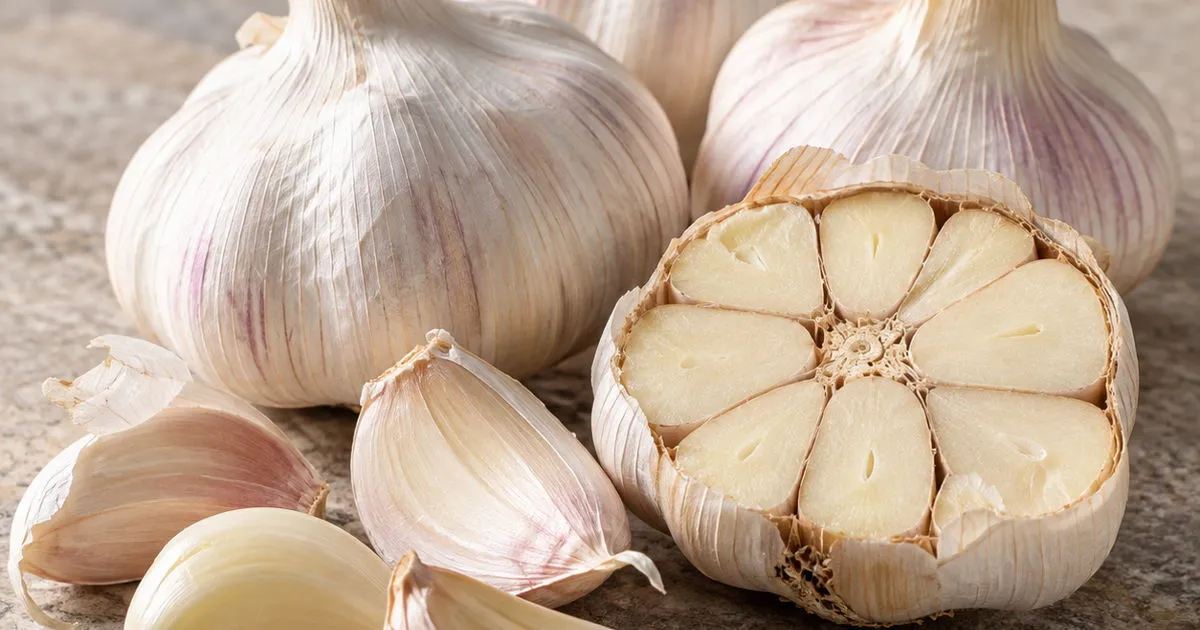
Garlic is a flavorful cooking ingredient used in sauces, soups, marinades, pasta, roasted vegetables, meat, seafood, and countless everyday dishes. Its distinctive aroma and savory flavor pair especially well with onion, butter, olive oil, and chicken.
Explore easy recipes with garlic and discover delicious ideas for appetizers, lunch, dinner, sauces, side dishes, and homemade meals.
Best Garlic Recipes
Read more about garlic
What Is Garlic?
Garlic is an aromatic ingredient related to onions, shallots, and leeks. A whole garlic bulb contains individual sections called cloves, which are covered by thin, papery skin.
Raw garlic has a sharp and pungent flavor. Cooking makes it softer, sweeter, and milder, while roasting creates a creamy texture and a rich, caramelized flavor.
How to Choose Fresh Garlic
Choose garlic bulbs that feel firm, dry, and heavy for their size. The papery skin should be mostly intact, and the cloves should not feel soft.
Avoid bulbs with mold, dark wet spots, or a strong unpleasant odor. Small green sprouts do not necessarily mean the garlic is unusable, but older sprouted garlic may have a sharper or slightly bitter flavor.
How to Peel Garlic
Separate the required number of cloves from the bulb. Place each clove on a cutting board and gently press it with the flat side of a knife. The loosened skin should peel away easily.
For several cloves, place them in a covered container and shake firmly. This can help loosen the skins before peeling.
How to Cut Garlic
Garlic can be sliced, chopped, minced, crushed, grated, or left whole. The way it is prepared affects the intensity of its flavor:
- Whole cloves: Produce a mild garlic flavor when slowly cooked or roasted.
- Sliced garlic: Adds visible pieces and a moderate flavor to sauces and sautés.
- Minced garlic: Distributes evenly and creates a stronger garlic flavor.
- Crushed or grated garlic: Produces an especially intense flavor that works well in dressings and marinades.
Use a clean cutting board and a sharp knife for the most even pieces.
How to Cook with Garlic
Garlic can be sautéed, roasted, baked, simmered, or added raw to selected recipes. When sautéing minced garlic, use moderate heat and stir frequently because small pieces can burn quickly.
Add garlic near the beginning of cooking for a mellow flavor that blends into the dish. Add it closer to the end when you want a fresher and more noticeable garlic taste.
Ways to Use Garlic
Garlic is a versatile ingredient with many uses:
- Adding flavor to soups, stews, and sauces
- Seasoning chicken, beef, pork, fish, and seafood
- Mixing into marinades and salad dressings
- Sautéing with vegetables, pasta, and rice
- Preparing garlic bread and garlic butter
- Blending into dips, spreads, pesto, and hummus
- Roasting whole cloves for a soft, mild spread
Garlic pairs well with fresh herbs, tomatoes, cheese, lemon, olive oil, butter, and black pepper.
How to Roast Garlic
To roast a whole garlic bulb:
- Preheat the oven to 400°F (205°C).
- Remove the loose outer skin while keeping the bulb intact.
- Cut a small amount from the top to expose the cloves.
- Drizzle the exposed cloves with olive oil.
- Wrap the bulb in foil or place it in a covered baking dish.
- Roast for approximately 35–45 minutes, until soft and golden.
Allow the garlic to cool before squeezing the softened cloves from their skins.
Fresh Garlic vs. Garlic Powder
Fresh garlic provides moisture, texture, and a strong aromatic flavor. Garlic powder is dried and ground, making it convenient for dry rubs, seasoning blends, sauces, and recipes where fresh garlic pieces are not desired.
They can sometimes replace one another, but the flavor will be different. Use the substitution recommended by the recipe or add a small amount and adjust to taste.
How to Store Garlic
Store whole garlic bulbs in a cool, dry, dark, and well-ventilated place. Avoid keeping whole bulbs in sealed plastic bags, where trapped moisture may encourage deterioration.
Peeled or chopped garlic should be placed in a sealed container in the refrigerator and used promptly. Discard garlic that develops mold, excessive softness, an unusual color, or an unpleasant odor.
Frequently Asked Questions
Can you eat raw garlic?
Yes. Raw garlic is commonly used in dressings, dips, salsa, pesto, and sauces. It has a much stronger and sharper flavor than cooked garlic, so begin with a small amount.
Why does garlic become bitter?
Garlic may taste bitter when it burns or when older green sprouts are included. Cook minced garlic over moderate heat and remove large green sprouts if their flavor is too strong.
Can you freeze garlic?
Yes. Peeled, chopped, or minced garlic can be frozen in small portions. Its texture may soften after thawing, but it can still work well in cooked dishes.
Is jarred garlic the same as fresh garlic?
Jarred garlic is convenient and easy to measure, but its flavor and texture are usually milder than freshly chopped garlic. Either can work depending on the recipe.
How many cloves are in one garlic bulb?
The number varies according to the garlic variety and bulb size. A typical bulb may contain approximately 8–15 cloves, although some have fewer or considerably more.