Butter
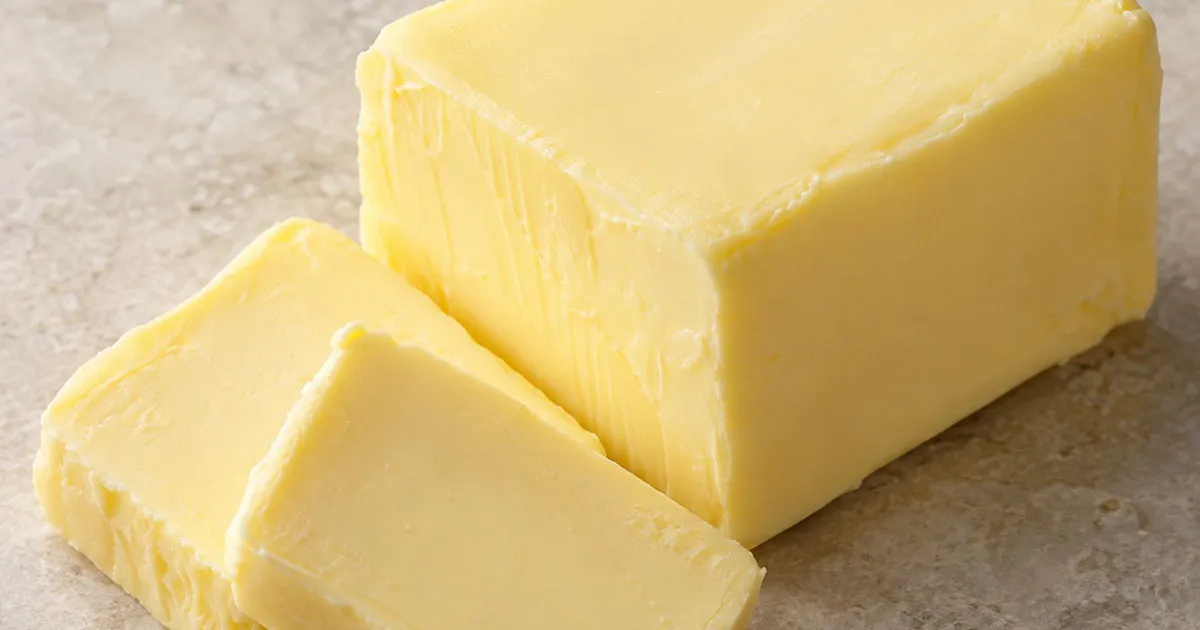
Butter is a rich and versatile dairy ingredient that adds flavor, moisture, tenderness, and texture to sweet and savory recipes. It is widely used in cakes, cookies, pastries, sauces, pasta, vegetables, breakfast dishes, and homemade comfort food. Butter works especially well with flour, milk, and eggs. Explore easy recipes with butter and discover delicious ideas for breakfast, lunch, dinner, baking, desserts, sauces, and side dishes.
Best Butter Recipes
Read more about butter
What Is Butter?
Butter is a dairy product traditionally made by churning cream until the fat separates from the liquid. It has a rich flavor and can be used as a cooking fat, baking ingredient, spread, sauce base, or finishing ingredient.
Butter contains milk fat, water, and small amounts of milk solids. These components contribute flavor, browning, moisture, and structure to cooked and baked dishes.
Types of Butter
Different types of butter are suited to different recipes:
- Unsalted butter – provides greater control over seasoning and is commonly preferred for baking.
- Salted butter – contains added salt and works well as a spread or in savory dishes.
- European-style butter – generally contains more butterfat and less water, giving it a rich flavor and smooth texture.
- Cultured butter – made with cultured cream for a slightly tangy and more complex flavor.
- Clarified butter – butter with most of its water and milk solids removed.
- Ghee – a type of clarified butter cooked longer to develop a rich, nutty flavor.
Salted vs. Unsalted Butter
Unsalted butter is commonly used in baking because it allows the cook to control the amount of salt in a recipe. Its flavor may also make it easier to notice whether the butter is fresh.
Salted butter works well for spreading, sautéing, sauces, vegetables, and many savory recipes. If substituting salted butter for unsalted butter, consider reducing the additional salt in the recipe.
How to Use Butter
Butter can be used to sauté vegetables, cook eggs, make pan sauces, enrich pasta, and add flavor to meat, seafood, and potatoes. It can also be melted over finished dishes or combined with garlic and herbs to create compound butter.
In baking, butter contributes flavor, tenderness, browning, and structure to cakes, cookies, biscuits, pie crusts, pastries, and breads. Use it at the temperature specified by the recipe because cold, softened, and melted butter produce different results.
Cold, Softened, and Melted Butter
The temperature and consistency of butter can significantly affect a recipe:
- Cold butter – helps create flaky layers in biscuits, scones, pastries, and pie crusts.
- Softened butter – blends easily with sugar and traps air when making cakes and cookies.
- Melted butter – adds moisture and richness but usually creates a denser or chewier texture.
- Brown butter – develops a toasted, nutty flavor that works well in sauces, cookies, cakes, pasta, and vegetables.
Follow the recipe’s instructions instead of using these forms interchangeably.
How to Brown Butter
Place butter in a light-colored saucepan and melt it over medium-low heat. Continue cooking while stirring or swirling the pan. The butter will foam as its water evaporates, and the milk solids will begin to turn golden brown.
Remove the pan from the heat when the butter smells nutty and the milk solids are amber-colored. Transfer it to a heat-safe container promptly because it can quickly change from browned to burned.
Butter Substitutes
The best substitute depends on the recipe:
- Use olive oil for sautéing, roasting, sauces, marinades, and selected baked recipes.
- Use avocado oil when a mild flavor and liquid cooking oil are appropriate.
- Use vegetable or canola oil in cakes, muffins, quick breads, and other recipes that allow liquid oil.
- Use coconut oil when its flavor and consistency complement the dish.
- Use shortening in pie crusts, cookies, pastries, and other baked recipes when a neutral solid fat is needed.
- Use a suitable plant-based butter for dairy-free cooking and baking.
Butter substitutes can change the flavor, moisture, spread, tenderness, and structure of baked goods. Liquid oils are not appropriate for every recipe that requires solid or creamed butter.
How to Store Butter
Keep butter refrigerated in its original wrapper or place it in a tightly sealed food-safe container. Protect it from light, air, and strongly scented foods because butter can absorb odors.
Follow the storage instructions and date guidance printed on the package. Discard butter if it develops mold, unusual discoloration, or a stale, sour, or unpleasant odor or flavor.
Butter can be frozen for longer storage. Wrap it securely or keep it in unopened packaging inside a freezer-safe container to help protect its flavor.
Frequently Asked Questions
Can salted butter replace unsalted butter?
Yes, in many recipes. Because salted butter contains added salt, reduce the recipe’s additional salt when necessary. The exact salt content varies by brand.
Why does a baking recipe require softened butter?
Softened butter can be beaten with sugar to incorporate air. This helps create the intended volume and texture in many cakes and cookies.
Can butter be used instead of cooking oil?
Butter can replace oil in some savory and baked recipes, but it contains water and milk solids. It may create a different flavor and texture and can brown more quickly than many refined oils.
Why does butter burn?
Regular butter contains milk solids that can burn when exposed to excessive heat. Use moderate heat or choose clarified butter or another suitable cooking fat for higher-temperature cooking.
Can butter be frozen?
Yes. Butter generally freezes well when wrapped securely. Thaw it in the refrigerator before using it for spreading, cooking, or baking.
Is butter gluten-free?
Plain butter generally does not contain gluten ingredients. Flavored, compound, or blended butter products may contain additional ingredients, so check the package for a certified gluten-free label when necessary.