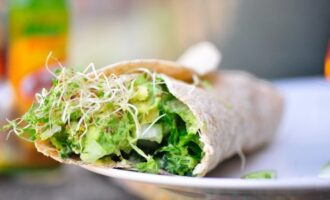
Grains & Baking
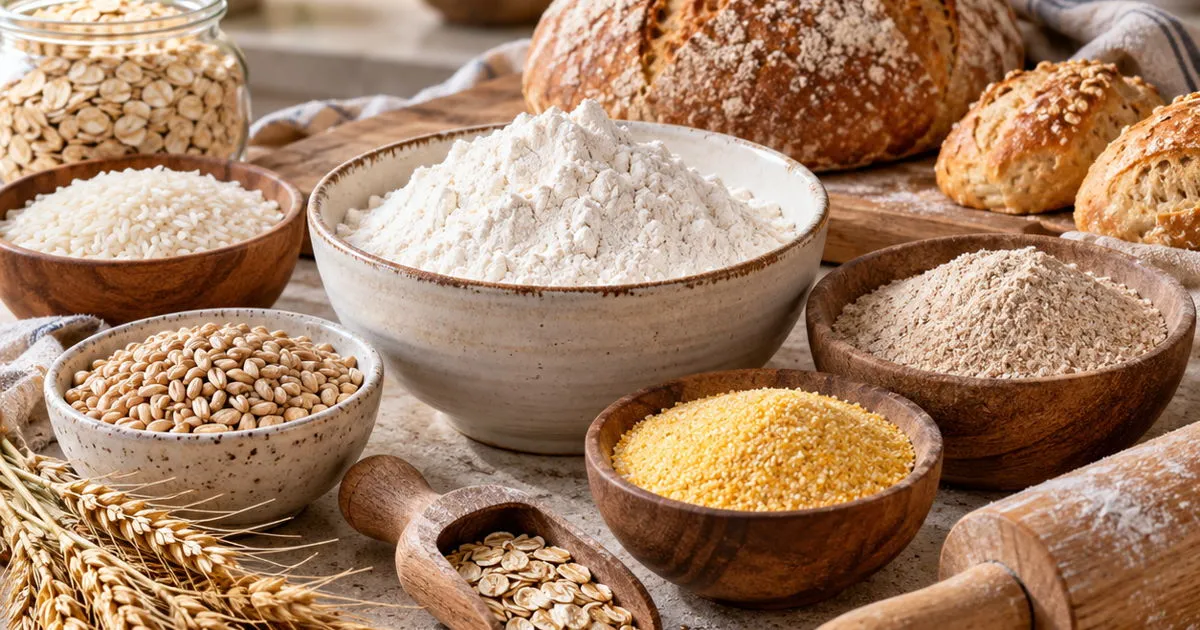
Grains and starches are versatile ingredients used in everyday breakfasts, side dishes, main courses, baked goods, soups, and desserts. This group includes rice, pasta, oats, corn, flour, quinoa, barley, potatoes, and other filling pantry staples. Explore recipes with rice, pasta, flour, and potatoes to discover easy ideas for family dinners, meal prep, baking, and comforting homemade meals.
Best Grains and Starches Recipes
Read more about grains and starches
What Are Grains and Starches?
Grains and starches are a broad group of ingredients that includes rice, wheat, oats, corn, barley, quinoa, pasta, flour, bread, and potatoes. They provide texture, structure, and satisfying flavor to many everyday recipes.
These ingredients can form the base of breakfast bowls, salads, soups, casseroles, side dishes, baked goods, and complete meals. Many grains and starches are affordable pantry staples that can be paired with vegetables, meat, seafood, beans, cheese, and sauces.
Popular Types of Grains
Whole and refined grains are available in many forms. Popular options include rice, oats, barley, corn, quinoa, bulgur, farro, and wheat.
Whole grains retain more of the original grain kernel, while refined grains are processed to create a softer texture and longer storage life. The best choice depends on the recipe, desired texture, cooking time, and personal preference.
Popular Starchy Ingredients
Common starchy ingredients include potatoes, pasta, flour, cornstarch, bread, noodles, and starchy vegetables. They may be used as the main part of a dish or to thicken soups, sauces, gravies, and desserts.
Flour provides structure in breads, cakes, pancakes, and other baked goods. Cornstarch and similar starches are often mixed with cold liquid before being added to hot sauces or soups.
How to Cook Grains
Most grains are cooked by simmering them in water, broth, or another liquid until tender. The required amount of liquid and cooking time vary by ingredient, so follow the package directions when available.
Rinsing rice, quinoa, and certain other grains before cooking can remove excess starch or residue. After cooking, allow the grains to rest briefly before fluffing them with a fork.
How to Use Grains and Starches in Recipes
Use rice, pasta, quinoa, or potatoes as the foundation for bowls, salads, casseroles, and side dishes. Add vegetables, beans, chicken, beef, pork, seafood, eggs, or cheese to create a complete meal.
Oats and other grains are useful for breakfast recipes, while flour and starches are essential for breads, pancakes, muffins, cakes, sauces, and desserts. Cooked grains can also be added to soups and salads for extra texture.
Tips for Cooking Grains and Starches
- Check the package directions because cooking times and liquid ratios vary.
- Cook grains in broth instead of water to add more savory flavor.
- Avoid overcooking pasta if it will continue cooking in a sauce or casserole.
- Let cooked rice rest before fluffing it to improve the texture.
- Mix cornstarch with cold liquid before adding it to a hot dish.
- Cool leftover grains promptly and store them in the refrigerator.
Easy Grains and Starches Recipe Ideas
- Breakfast: Make oatmeal, breakfast bowls, pancakes, or homemade muffins.
- Lunch: Prepare grain salads, wraps, soups, or rice bowls.
- Dinner: Serve pasta, rice, potatoes, or casseroles with vegetables and protein.
- Side dishes: Try roasted potatoes, seasoned rice, pasta salad, or cooked quinoa.
- Baking: Use flour and other starches in breads, cakes, cookies, and pastries.
How to Store Grains and Starches
Store dry grains, pasta, flour, and starches in airtight containers in a cool, dry place. Keep them away from moisture, heat, and direct sunlight.
Refrigerate cooked rice, pasta, potatoes, and grains in covered containers. For longer storage, many cooked grains can be portioned into freezer-safe containers and frozen for future meals.
Frequently Asked Questions
What foods are included in grains and starches?
Common examples include rice, oats, wheat, barley, corn, quinoa, pasta, flour, bread, potatoes, and cornstarch.
Are potatoes considered grains?
No. Potatoes are starchy vegetables rather than grains, but they are commonly grouped with grains and other starches because they are used similarly in meals.
Can cooked grains be frozen?
Yes. Cooked rice, quinoa, barley, and many other grains can be cooled, divided into portions, and stored in freezer-safe containers. Reheat them thoroughly before serving.