Grains & Bread
Grains and bread include versatile everyday foods used in breakfasts, sandwiches, side dishes, soups, salads, baked goods, and complete meals. This collection features recipes made with rice, barley, bulgur, oats, cornmeal, wheat, bread, rolls, tortillas, and other grain-based ingredients. Explore recipes with barley, bulgur, cornmeal, and flour to discover satisfying ideas for breakfast, lunch, dinner, baking, and meal prep.
Best Grains and Bread Recipes
Read more about grains and bread
What Are Grains and Bread?
Grains are edible seeds from cereal plants such as wheat, rice, oats, barley, rye, and corn. They can be cooked whole, cracked into smaller pieces, ground into flour, or used to make bread, pasta, cereals, and baked goods.
Bread is generally made by combining flour with liquid and other ingredients. Depending on the recipe, yeast, baking powder, or baking soda may be used to help the dough or batter rise.
Together, grains and bread provide the foundation for countless breakfast dishes, sandwiches, grain bowls, side dishes, casseroles, and homemade baked goods.
Popular Types of Grains
Grains are available in whole and refined forms. Popular choices include rice, oats, barley, bulgur, quinoa, corn, farro, and wheat.
Whole grains retain more of the original grain kernel. Refined grains are processed to create a softer texture and may cook more quickly. The ideal type depends on the recipe, preferred texture, and cooking time.
Popular Types of Bread
Bread comes in many shapes, textures, and flavors. Common varieties include sandwich bread, sourdough, whole-wheat bread, rye bread, flatbread, rolls, baguettes, tortillas, and quick breads.
Yeast breads rely on fermentation for their rise and characteristic texture. Quick breads use baking powder or baking soda and include recipes such as banana bread, biscuits, muffins, and cornbread.
How to Use Grains and Bread in Recipes
Cooked grains can be used in bowls, soups, salads, pilafs, casseroles, and side dishes. Pair them with vegetables, beans, chicken, beef, seafood, eggs, cheese, herbs, or sauces.
Bread can be used for sandwiches, toast, French toast, bread pudding, stuffing, croutons, breadcrumbs, and appetizers. Stale bread is especially useful for recipes that benefit from a firmer, drier texture.
How to Cook Grains
Most grains are simmered in water, broth, or another liquid until tender. The necessary liquid ratio and cooking time vary significantly, so follow the package instructions when available.
Some grains benefit from rinsing before cooking. After cooking, let the grains rest briefly and fluff them with a fork to separate the pieces and improve the texture.
Tips for Cooking With Grains and Bread
- Follow the package directions for the correct grain-to-liquid ratio.
- Cook savory grains in broth instead of water for additional flavor.
- Allow cooked grains to rest briefly before fluffing them with a fork.
- Store bread properly to keep it from becoming dry or developing mold.
- Turn stale bread into breadcrumbs, croutons, stuffing, or bread pudding.
- Measure flour carefully when making homemade bread and baked goods.
Easy Grains and Bread Recipe Ideas
- Breakfast: Prepare oatmeal, toast, breakfast bowls, pancakes, or French toast.
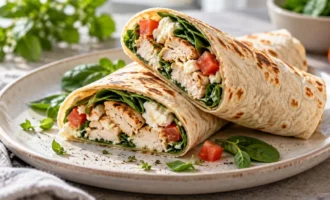
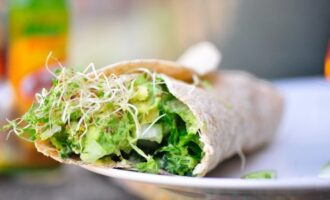
- Lunch: Make sandwiches, wraps, grain salads, soups, or rice bowls.
- Dinner: Serve pilaf, casseroles, pasta, homemade bread, or cooked grains.
- Side dishes: Try seasoned rice, barley, bulgur, cornbread, or dinner rolls.
- Baking: Make sandwich bread, muffins, biscuits, flatbreads, or quick breads.
How to Store Grains and Bread
Store dry grains and flour in airtight containers in a cool, dry place away from moisture and direct sunlight. Allow cooked grains to cool before placing them in covered containers in the refrigerator.
Keep bread tightly wrapped or in a suitable bread container at room temperature for short-term use. Refrigeration can make some breads become stale faster, so freeze extra bread if you need to keep it longer.
Slice bread before freezing so individual portions can be removed and reheated as needed.
Frequently Asked Questions
What foods belong in the grains and bread group?
This group includes rice, oats, barley, wheat, cornmeal, bulgur, quinoa, bread, rolls, tortillas, cereals, pasta, and many other grain-based foods.
Can cooked grains be frozen?
Yes. Cooked rice, barley, bulgur, quinoa, and many other grains can be cooled, portioned, and stored in freezer-safe containers for future meals.
Can bread be frozen?
Yes. Wrap bread tightly or place it in a freezer-safe bag. Sliced bread can usually be toasted or reheated directly from frozen.