Flour Recipes
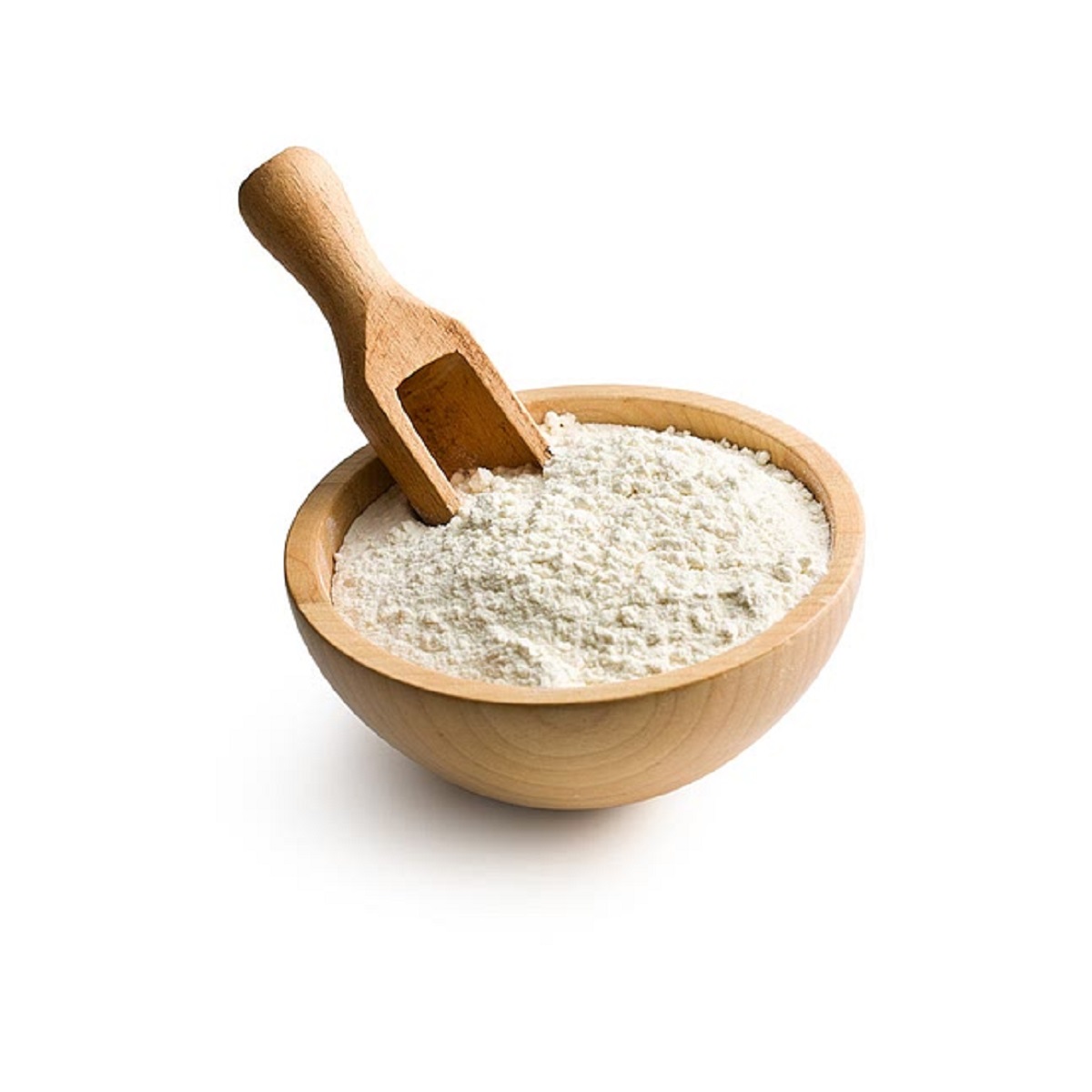
Flour is an essential cooking and baking ingredient used in bread, cakes, cookies, pancakes, pasta, sauces, and countless homemade dishes. Different varieties of flour provide different textures, flavors, and structures. Flour works especially well with butter, eggs, baking powder, and vanilla extract. Explore easy recipes with flour and discover delicious ideas for baking, breakfast, desserts, bread, and everyday meals.
Best Flour Recipes
Read more about flour
What Is Flour?
Flour is a finely ground ingredient made from grains, seeds, nuts, legumes, or roots. Wheat flour is the most common variety used for baking because it contains proteins that form gluten when mixed with liquid.
Gluten gives bread dough elasticity and helps cakes, cookies, muffins, and other baked goods hold their structure. Different types of flour contain different amounts of protein, which affects the texture and appearance of the finished recipe.
Common Types of Flour
Choosing the appropriate flour can make a significant difference in bread, cakes, cookies, and other recipes. The most common varieties include all-purpose, bread, cake, pastry, whole-wheat, and self-rising flour.
All-Purpose Flour
All-purpose flour is a versatile choice for cookies, muffins, pancakes, cakes, biscuits, sauces, and many everyday recipes. Its moderate protein content makes it suitable for both cooking and baking.
Bread Flour
Bread flour has a higher protein content than all-purpose flour. It develops stronger gluten, helping yeast breads, rolls, pizza dough, and bagels achieve a chewy texture and supportive structure.
Cake and Pastry Flour
Cake flour has a lower protein content and a fine texture that helps produce soft, tender cakes. Pastry flour falls between cake flour and all-purpose flour and works well for pie crusts, biscuits, muffins, and pastries.
Whole-Wheat Flour
Whole-wheat flour is made using the entire wheat kernel. It has a nutty flavor and creates denser baked goods than refined white flour. It is commonly used in bread, muffins, pancakes, and rustic baked recipes.
Self-Rising Flour
Self-rising flour is typically a combination of flour, baking powder, and salt. Because the leavening ingredients are already included, it should not be substituted directly for all-purpose flour without adjusting the recipe.
How to Measure Flour Correctly
Using too much flour is a common reason cakes, cookies, and muffins become dry or dense. For the most accurate results, measure flour by weight with a kitchen scale.
If measuring with cups, gently stir the flour, spoon it into the measuring cup, and level the top with a straight edge. Avoid scooping directly from the container because this can compress the flour and add more than the recipe requires.
How to Use Flour in Cooking
Flour is not limited to baking. It can be used to thicken soups, sauces, gravies, and stews. It also creates a coating for chicken, fish, vegetables, and other foods before frying, roasting, or baking.
When using flour as a thickener, it is often mixed with fat to make a roux or combined with cool liquid to create a slurry. This helps prevent lumps and distributes the flour evenly.
Baking with Flour
Flour works with liquids, fat, eggs, sugar, and leavening ingredients to create structure in baked goods. Baking powder and baking soda help many flour-based batters rise, while yeast is commonly used in bread dough.
After adding flour, mix cake, muffin, and pancake batter only until the ingredients are combined. Excessive mixing can develop too much gluten and produce a tough or dense texture.
Gluten-Free Flour Alternatives
Gluten-free alternatives include almond flour, oat flour, rice flour, coconut flour, and chickpea flour. Because these options absorb liquid and provide structure differently, they cannot always replace wheat flour in equal amounts.
For dependable results, use a recipe specifically developed for the chosen gluten-free flour. People who strictly avoid gluten should select products labeled or certified gluten-free to reduce the risk of cross-contact.
How to Store Flour
Store flour in an airtight container in a cool, dry place away from heat, moisture, and strong odors. Refined flour generally keeps longer than whole-grain or nut-based varieties because those contain more natural oils.
Whole-wheat and specialty flours can be refrigerated or frozen for longer storage. Allow refrigerated flour to reach room temperature before using it in recipes that require precise temperatures.
Frequently Asked Questions
Can bread flour replace all-purpose flour?
Bread flour can replace all-purpose flour in some recipes, but its higher protein content may create a firmer or chewier texture. It works best in bread, rolls, pizza dough, and other yeast-based recipes.
Why should flour be sifted?
Sifting removes lumps and helps aerate the flour. It is particularly useful for delicate cakes and recipes that combine flour with cocoa powder, powdered sugar, or other fine dry ingredients.
Does flour expire?
Yes. Flour can lose quality or develop an unpleasant odor over time, especially when exposed to heat or moisture. Check its appearance, smell, and package date before using it.