Easy Recipes with Baking Soda
Baking soda is a common baking ingredient used to help baked goods rise and develop a light, tender texture. Explore easy recipes with baking soda, including cookies, cakes, muffins, pancakes, brownies, and quick breads.
Best Baking Soda Recipes
Read more about baking soda
What Is Baking Soda?
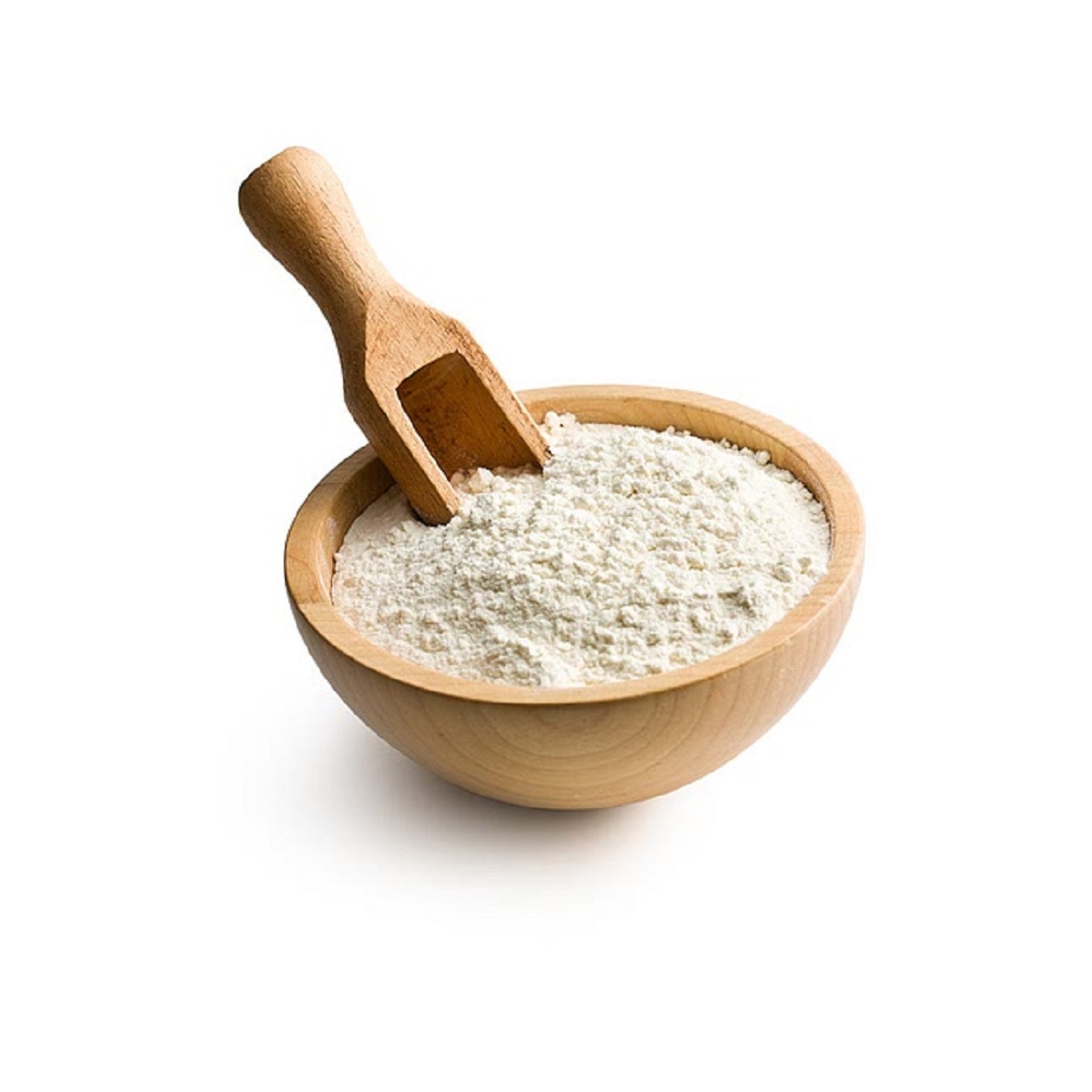
Baking soda, also known as sodium bicarbonate, is a leavening ingredient commonly used in baking. When combined with an acidic ingredient such as lemon juice, buttermilk, yogurt, or vinegar, it produces carbon dioxide bubbles that help doughs and batters rise.
Baking Soda vs. Baking Powder
Baking soda requires an acidic ingredient to activate, while baking powder already contains both a base and an acid. They are not always interchangeable, so it is important to follow the measurements given in a recipe.
How to Use Baking Soda
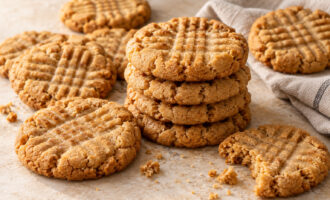
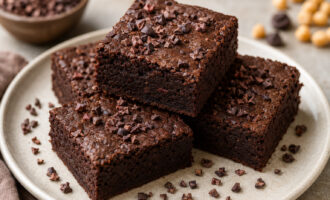
Baking soda is commonly used in cookies, muffins, pancakes, cakes, brownies, and quick breads. Measure it carefully because using too much can create a bitter or soapy flavor.
Baking Soda Substitutes
Baking powder is the most practical substitute when baking soda is unavailable. Because baking powder is less concentrated, use approximately 1 teaspoon of baking powder for every 1/4 teaspoon of baking soda.
This substitution may slightly change the flavor, texture, and rise of the finished recipe because baking powder already contains an acid. For the most predictable results, follow the original recipe whenever possible.
How to Test Baking Soda
Baking soda needs an acidic ingredient to produce a reaction. Use this simple test to check whether it is still active:
- Place 1 1/2 teaspoons of baking soda in a small bowl.
- Add 1 tablespoon of vinegar.
- Watch for an immediate fizzing and bubbling reaction.
If the mixture fizzes strongly, the baking soda is still active. If the reaction is weak or nothing happens, replace it before using it in a baking recipe.
How to Store Baking Soda
Store baking soda in a tightly sealed container in a cool, dry cupboard. Keep it away from moisture, steam, direct sunlight, and heat from the stove or oven.
Always use a clean, dry measuring spoon. Moisture can cause baking soda to become lumpy and gradually reduce its effectiveness.
Check the best-by date printed on the package and test older baking soda with vinegar before using it.
Frequently Asked Questions
Is baking soda the same as baking powder?
No. Baking soda is pure sodium bicarbonate and requires an acidic ingredient to activate. Baking powder contains both a base and one or more dry acids.
Can baking powder replace baking soda?
Yes, in some recipes. Use approximately 1 teaspoon of baking powder for every 1/4 teaspoon of baking soda. However, the substitution can affect flavor, browning, texture, and rise.
Why does baking soda need an acidic ingredient?
Acid reacts with baking soda and produces carbon dioxide bubbles. These bubbles expand during baking and help doughs and batters rise.
What happens if you use too much baking soda?
Excess baking soda can create a bitter or soapy flavor. It may also cause baked goods to spread too much, brown too quickly, or develop a coarse texture.
Is baking soda gluten-free?
Pure baking soda does not naturally contain gluten. However, anyone with celiac disease or a serious gluten sensitivity should check the package for a certified gluten-free label and possible cross-contact warnings.