Recipes with Buttermilk
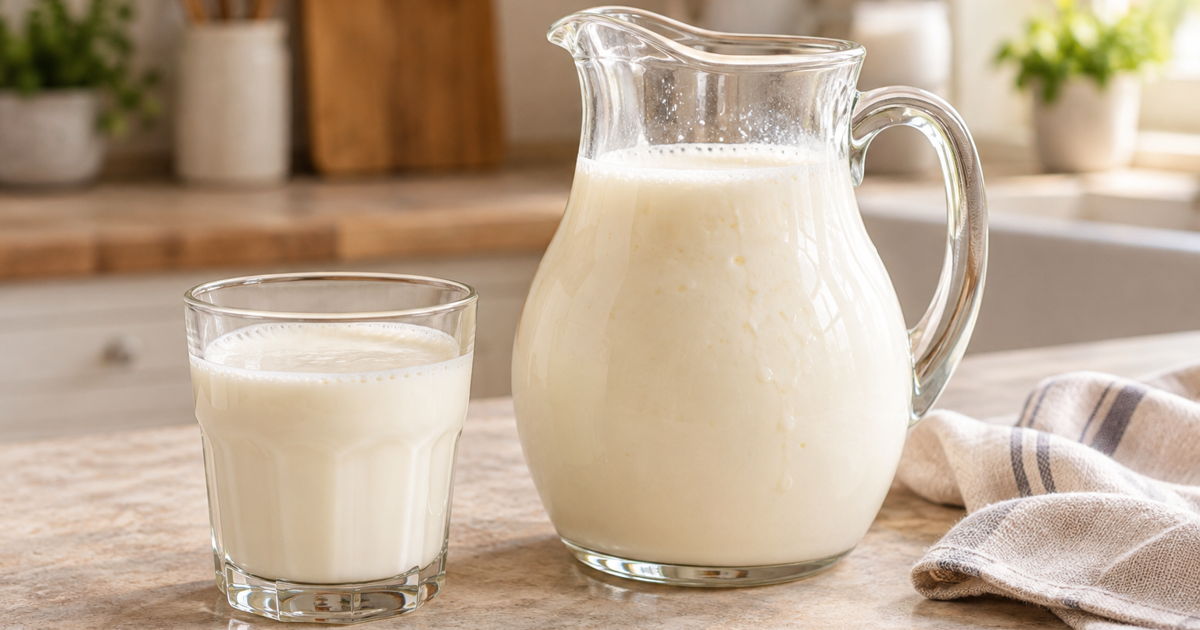
Buttermilk is a tangy dairy ingredient that adds moisture, tenderness, and flavor to pancakes, biscuits, cakes, muffins, marinades, and dressings. Its natural acidity works especially well with baking soda, helping many baked goods rise and develop a soft texture. Explore easy recipes with buttermilk and discover delicious ideas for breakfast, baking, desserts, marinades, and savory meals.
Best Buttermilk Recipes
Read more about Buttermilk
What Is Buttermilk?
Buttermilk is a cultured dairy product with a creamy texture and pleasantly tangy flavor. Traditional buttermilk was the liquid left after churning butter, but most buttermilk sold today is produced by adding beneficial bacterial cultures to milk.
The cultures ferment some of the milk’s natural sugars and create lactic acid. This process gives buttermilk its characteristic flavor, slightly thick consistency, and useful properties in cooking and baking.
How Is Buttermilk Used in Baking?
Buttermilk adds moisture and a mild tangy flavor to pancakes, biscuits, muffins, cakes, waffles, cornbread, and quick breads. Its acidity also reacts with baking soda, producing carbon dioxide bubbles that help batters rise.
The acidity in buttermilk can contribute to a softer, more tender texture. For reliable results, use the amount and type of leavening specified in the recipe rather than changing the baking soda or baking powder without adjusting the other ingredients.
How to Use Buttermilk
Buttermilk can be used in both sweet and savory recipes. It works well in pancakes, biscuits, muffins, cakes, waffles, mashed potatoes, salad dressings, dips, soups, and sauces.
Its tangy flavor pairs especially well with flour, butter, eggs, vanilla, berries, bananas, honey, herbs, garlic, black pepper, and spicy seasonings.
Buttermilk for Chicken Marinades
Buttermilk is commonly used as a marinade for chicken before frying, roasting, or baking. Its acidity helps create a flavorful coating and complements herbs, garlic, paprika, cayenne pepper, and other spices.
Always marinate chicken in a covered container inside the refrigerator. Discard any leftover marinade that has been in contact with raw chicken unless it is thoroughly cooked as part of the recipe.
How to Make a Buttermilk Substitute
If buttermilk is unavailable, a simple substitute can be prepared with milk and an acidic ingredient. Add one tablespoon of lemon juice or white vinegar to a measuring cup, then add enough milk to equal one cup.
Stir the mixture and allow it to stand for approximately 5 to 10 minutes before using it. This substitute provides acidity for baking, although its flavor and consistency may differ from cultured buttermilk.
Can Milk Replace Buttermilk?
Regular milk should not always replace buttermilk without additional adjustments. Milk is less acidic and has a different consistency, which can affect the rise, flavor, and texture of baked goods.
When a recipe depends on buttermilk reacting with baking soda, use cultured buttermilk or a properly acidified milk substitute for more predictable results.
How to Store Buttermilk
Keep buttermilk refrigerated in its original container or another tightly sealed container. Return it to the refrigerator promptly after measuring and avoid leaving it at room temperature for extended periods.
Check the package date and discard buttermilk if it develops mold, an unusually strong odor, discoloration, or a heavily separated texture that does not improve after shaking.
Can You Freeze Buttermilk?
Buttermilk can be frozen in small portions for later use in cooked or baked recipes. An ice-cube tray or measured freezer-safe containers make it easier to thaw only the amount needed.
Frozen buttermilk may separate after thawing, but stirring or whisking can help restore a more even consistency. Thaw it in the refrigerator before using it.
Frequently Asked Questions
Is buttermilk the same as regular milk?
No. Cultured buttermilk is thicker and more acidic than regular milk, with a distinctive tangy flavor that affects the taste and texture of recipes.
Does buttermilk contain butter?
Modern cultured buttermilk is generally made from cultured milk and does not mean that butter has been mixed into milk. Traditional buttermilk was the liquid remaining after butter was churned.
Why is buttermilk used with baking soda?
The acid in buttermilk reacts with baking soda and releases carbon dioxide bubbles. These bubbles help pancakes, biscuits, cakes, and other baked goods rise.