Easy Recipes with Eggs
Eggs are a versatile cooking and baking ingredient used in breakfast dishes, cakes, cookies, breads, casseroles, salads, sandwiches, and sauces. They can be fried, boiled, scrambled, poached, baked, or added to recipes for structure, richness, and moisture. Eggs pair especially well with butter, cheese, salt, and black pepper. Explore easy recipes with eggs and discover delicious ideas for breakfast, lunch, dinner, baking, desserts, and everyday meals.
Best Egg Recipes
Read more about eggs
What Are Eggs?
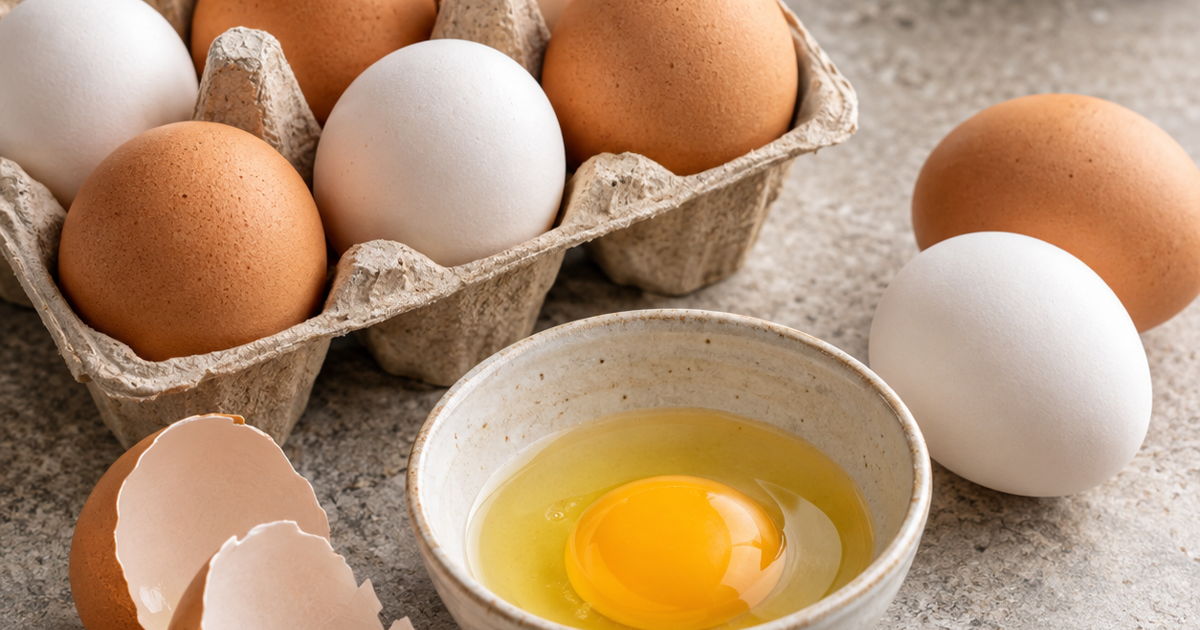
Eggs are a common kitchen ingredient consisting of a yolk and egg white enclosed inside a shell. Chicken eggs are the variety most frequently used in home cooking and baking.
The egg white becomes firm when heated, while the yolk adds richness, color, and a creamy texture. Eggs can be served as the main ingredient or used to bind, thicken, coat, glaze, and add structure to other recipes.
Common Ways to Cook Eggs
Eggs can be prepared using many different cooking methods:
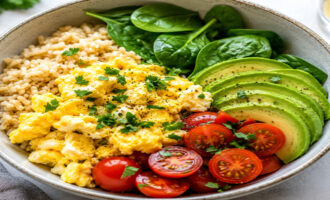
- Scrambled: Beaten eggs cooked gently while stirring until softly set.
- Fried: Eggs cooked in a skillet sunny-side up, over easy, over medium, or over hard.
- Boiled: Eggs cooked in their shells until soft-, medium-, or hard-boiled.
- Poached: Eggs gently cooked without their shells in simmering water.
- Baked: Eggs cooked in ramekins, casseroles, skillets, or muffin cups.
- Omelet: Beaten eggs cooked in a pan and often folded around cheese, vegetables, or meat.
Cooking time depends on the method, temperature, egg size, and desired texture.
How Eggs Are Used in Baking
Eggs perform several important functions in baked recipes. They can:
- Provide structure to cakes, cookies, muffins, and breads
- Add moisture, richness, flavor, and color
- Bind ingredients together
- Help mixtures rise when air is incorporated through beating
- Create a shiny, golden surface when used as an egg wash
- Thicken custards, puddings, and dessert fillings
For consistent baking results, use the egg size listed in the recipe. Large eggs are the standard size used in many U.S. recipes.
How to Separate Eggs
To separate an egg, crack it carefully and transfer the yolk between the two shell halves while allowing the white to fall into a clean bowl. You can also crack the egg into your hand and let the white pass gently between your fingers.
Separate each egg over a small bowl before adding it to the main mixture. This prevents a broken yolk or piece of shell from affecting the remaining ingredients.
How to Beat Egg Whites
Place egg whites in a clean, dry bowl without any traces of yolk or grease. Beat them with a whisk or electric mixer until they reach the stage required by the recipe:
- Foamy: The whites contain many bubbles but do not hold their shape.
- Soft peaks: Peaks form but gently fold over.
- Stiff peaks: Peaks remain upright when the whisk is lifted.
Avoid overbeating, which can make the egg whites dry, grainy, and difficult to incorporate into batter.
Ways to Use Eggs
Eggs can be used in many types of recipes:
- Scrambled eggs, omelets, and breakfast sandwiches
- French toast, pancakes, and breakfast casseroles
- Cakes, cookies, muffins, and quick breads
- Quiches, frittatas, and savory pies
- Salads, grain bowls, and noodle dishes
- Custards, puddings, sauces, and dessert fillings
- Coatings for breaded chicken, fish, and vegetables
Eggs can also be used as a glaze for bread and pastries before baking.
Brown Eggs vs. White Eggs
The shell color is primarily determined by the breed of the chicken. Brown and white eggs can be used interchangeably in cooking and baking.
Shell color does not determine how an egg will perform in a recipe. Egg size, freshness, storage, and preparation method have a greater effect on the finished dish.
How to Check Egg Freshness
Always inspect an egg before using it. Discard eggs with leaking or badly cracked shells. Crack each egg into a separate bowl and check for an unusual appearance or unpleasant odor before combining it with other ingredients.
The popular water or “float test” may provide information about the size of the egg’s internal air cell, but it cannot confirm that an egg is safe to eat.
How to Store Eggs
Keep eggs refrigerated in their original carton. The carton protects them from damage and prevents them from absorbing odors from other foods.
Avoid leaving refrigerated eggs at room temperature for extended periods. Keep raw eggs and their shells away from ready-to-eat foods, and wash hands, utensils, and work surfaces after handling them.
Cook eggs until the whites and yolks are firm unless the recipe uses pasteurized eggs. Recipes containing raw or lightly cooked eggs should be prepared with pasteurized eggs or pasteurized egg products.
Frequently Asked Questions
Can you freeze eggs?
Yes, but raw eggs should not be frozen in their shells. Crack them into a freezer-safe container and freeze the whites and yolks together or separately. Thawed eggs work best in cooked or baked recipes.
Why are eggs sometimes difficult to peel?
Very fresh hard-boiled eggs can be more difficult to peel because the egg white adheres more firmly to the inner membrane. Cooling cooked eggs promptly can make handling and peeling easier.
Can cold eggs be used for baking?
Yes, unless the recipe calls for room-temperature eggs. Room-temperature eggs often combine more easily with butter and other ingredients, helping create a smoother batter.
What can replace eggs in a recipe?
The best substitute depends on the purpose of the egg. Applesauce, mashed banana, yogurt, commercial egg replacer, or ground flaxseed mixed with water may work in selected baked recipes, but each option can change the flavor and texture.
What are pasteurized eggs?
Pasteurized eggs have been treated to reduce harmful bacteria without fully cooking the egg. They are useful for recipes that contain raw or lightly cooked eggs, such as certain dressings, sauces, desserts, and beverages.