Vegetable Oil
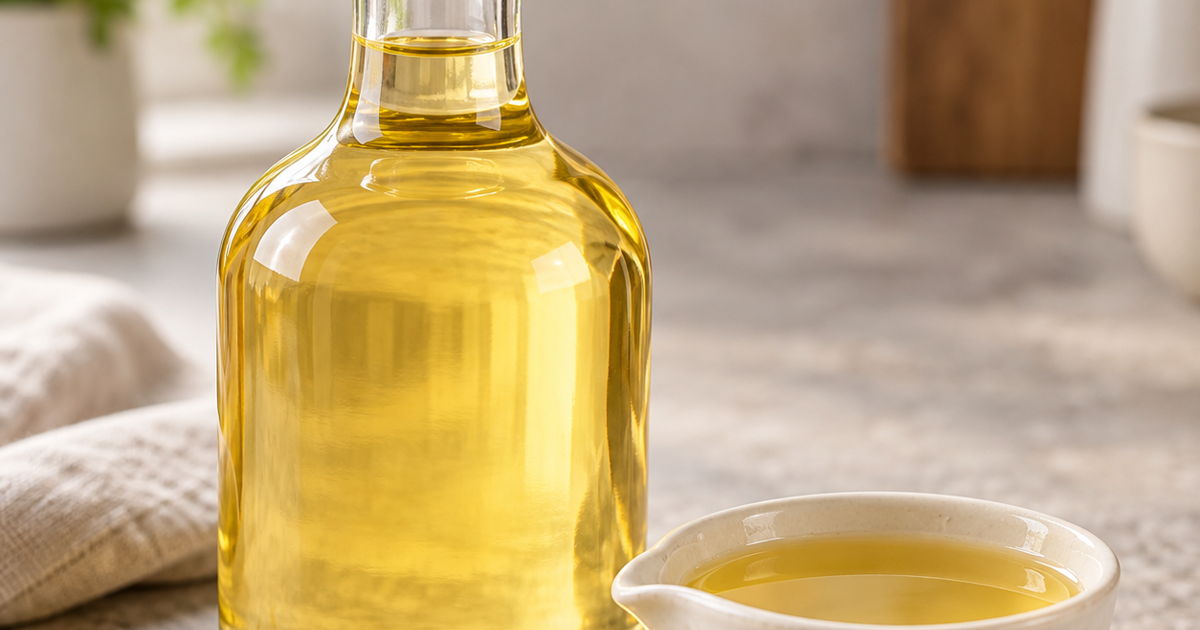
Vegetable oil is a versatile cooking oil with a light texture and generally neutral flavor. It is widely used for sautéing, frying, roasting, grilling, baking, marinades, sauces, and salad dressings. Vegetable oil works especially well with flour, eggs, and potatoes. Explore easy recipes with vegetable oil and discover delicious ideas for breakfast, lunch, dinner, baking, appetizers, and homemade comfort food.
Best Vegetable Oil Recipes
Read more about vegetable oil
What Is Vegetable Oil?
Vegetable oil is a general name for cooking oils extracted from plant sources. A bottle labeled vegetable oil may contain soybean oil, corn oil, canola oil, sunflower oil, or a blend of several oils.
Most vegetable oils sold for everyday cooking are refined to create a mild flavor and consistent texture. Check the ingredient label if the specific source of the oil is important.
Types of Vegetable Oil
Common oils that may be sold individually or included in vegetable oil blends include:
- Soybean oil – a widely used neutral oil suitable for cooking, frying, and baking.
- Corn oil – mild in flavor and commonly used for frying, sautéing, and baking.
- Canola oil – a light, versatile oil used for cooking, baking, dressings, and frying.
- Sunflower oil – a mild oil suitable for frying, roasting, baking, and sauces.
- Safflower oil – a neutral oil used for sautéing, frying, baking, and salad dressings.
- Blended vegetable oil – combines two or more plant-based oils to create a consistent everyday cooking product.
How to Use Vegetable Oil
Vegetable oil can be used to sauté vegetables, fry potatoes, cook eggs, roast meat, prepare stir-fries, or coat ingredients before grilling. Its neutral taste allows the flavor of herbs, spices, and other ingredients to remain prominent.
It can also be used in marinades, mayonnaise, salad dressings, sauces, cakes, muffins, brownies, pancakes, and quick breads.
Can You Fry With Vegetable Oil?
Refined vegetable oil is commonly used for shallow frying and deep frying. Its neutral flavor makes it suitable for many foods, including potatoes, chicken, fish, vegetables, and dough-based recipes.
Heat the oil gradually and follow the temperature recommended by the recipe and product label. Avoid allowing it to smoke heavily. Add food carefully and do not overcrowd the pan because this can reduce the temperature and make the food greasy.
Can You Bake With Vegetable Oil?
Vegetable oil adds moisture to cakes, muffins, brownies, pancakes, quick breads, and other baked recipes. Because it remains liquid as food cools, it can help baked goods stay soft and moist.
Measure it accurately because excess oil can create a heavy or greasy texture. Vegetable oil is not always suitable for recipes that require softened butter to be creamed with sugar.
Vegetable Oil Substitutes
The best substitute depends on the recipe:
- Use canola oil as a neutral substitute for frying, sautéing, roasting, baking, and dressings.
- Use sunflower oil for frying, roasting, baking, and sauces.
- Use grapeseed oil in marinades, dressings, baked recipes, and sautéed dishes.
- Use avocado oil for sautéing, roasting, grilling, frying, and baking.
- Use olive oil when its distinctive flavor complements the recipe.
- Use melted butter in selected baked and savory recipes for a richer flavor.
Every substitute has its own flavor and response to heat. Choose an oil suitable for the intended cooking method and follow the manufacturer’s temperature guidance.
How to Reuse Vegetable Oil
Frying oil may sometimes be reused if it has not overheated or developed an unpleasant smell, dark color, excessive foam, or unusual consistency. Allow the oil to cool completely and strain out crumbs and food particles.
Transfer the strained oil to a clean, tightly sealed container and store it according to appropriate food-safety guidance. Reuse it only for compatible foods and discard it when its quality noticeably deteriorates.
How to Store Vegetable Oil
Store vegetable oil in a tightly sealed container in a cool, dark place away from direct sunlight, heat, and the stove. Exposure to air, light, and warmth can cause it to lose quality more quickly.
Follow the storage instructions and date guidance printed on the package. Discard the oil if it develops a stale, bitter, waxy, paint-like, or otherwise unpleasant aroma or flavor.
Do not pour used vegetable oil down a sink or drain. Allow it to cool completely, transfer it to a secure container, and follow local disposal or cooking-oil recycling guidance.
Frequently Asked Questions
What is vegetable oil made from?
Vegetable oil may be made from soybeans, corn, canola, sunflower seeds, safflower seeds, or a blend of plant sources. Check the ingredient list to identify the oils in a specific product.
Does vegetable oil have a strong flavor?
Most refined vegetable oil has a light and neutral flavor, making it suitable for recipes where the oil should not overpower the other ingredients.
Can vegetable oil be used for frying?
Yes. Refined vegetable oil is commonly used for shallow and deep frying. Check the package to confirm that the product is suitable for the required temperature.
Can vegetable oil replace butter in baking?
It can replace melted butter in some cakes, muffins, brownies, and quick breads. It may not work properly in recipes that rely on creaming softened butter with sugar.
How can you tell if vegetable oil has gone bad?
Vegetable oil may be rancid if it smells or tastes stale, bitter, waxy, paint-like, or otherwise unpleasant. Proper storage away from air, light, and heat helps preserve its quality.
Is vegetable oil gluten-free?
Pure vegetable oil does not naturally contain gluten. Flavored oils, cooking sprays, and blended products may include additional ingredients, so check the package for a certified gluten-free label when necessary.