Avocado Oil Recipes
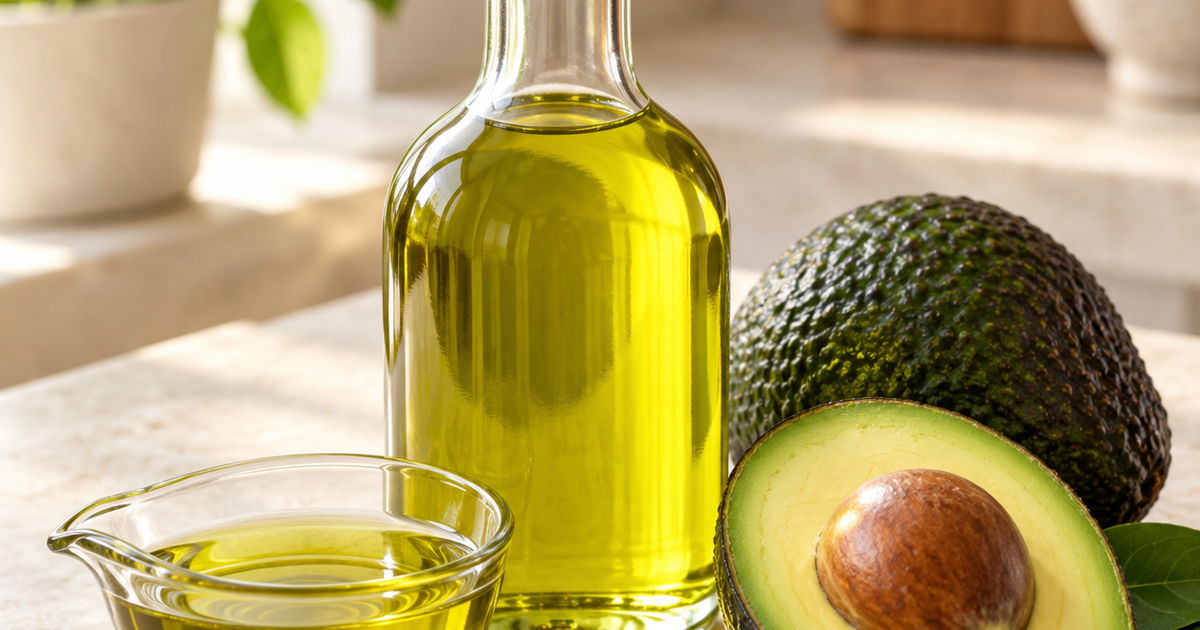
Avocado oil is a versatile cooking oil with a smooth texture and mild flavor. It is widely used for sautéing, roasting, grilling, frying, baking, marinades, sauces, and salad dressings. Avocado oil pairs especially well with avocado, garlic, and lemon juice. Explore easy recipes with avocado oil and discover delicious ideas for breakfast, lunch, dinner, appetizers, salads, and homemade sauces.
Best Avocado Oil Recipes
Read more about avocado oil
What Is Avocado Oil?
Avocado oil is a plant-based cooking oil extracted from the flesh of avocados. It has a smooth consistency and a flavor that can range from mild and neutral to fresh, grassy, or slightly buttery.
The flavor, color, and cooking properties depend on how the oil is extracted and refined. Avocado oil can be used for cooking, baking, dressings, marinades, and finishing dishes.
Refined vs. Unrefined Avocado Oil
The two main types of avocado oil have different uses:
- Refined avocado oil – has a light color and neutral flavor. It is commonly used for sautéing, frying, grilling, roasting, and baking.
- Unrefined avocado oil – has a stronger avocado flavor and greener color. It is well suited to salad dressings, dips, marinades, drizzling, and moderate-heat cooking.
- Extra-virgin avocado oil – generally refers to minimally processed oil with a more noticeable aroma, color, and flavor.
Check the product label for the manufacturer’s recommended uses and cooking temperatures.
How to Use Avocado Oil
Avocado oil can be used to sauté vegetables, roast potatoes, grill meat, cook eggs, prepare seafood, or coat ingredients before air frying. Its mild flavor makes it suitable for recipes where a stronger oil could overpower the other ingredients.
It can also be whisked into salad dressings, blended into mayonnaise, mixed into marinades, or drizzled over soups, grain bowls, vegetables, and avocado toast.
Can You Bake With Avocado Oil?
Avocado oil can replace neutral vegetable oil in many cakes, muffins, brownies, quick breads, and other baked recipes. Its liquid consistency helps add moisture without introducing a strong flavor, particularly when refined oil is used.
Use the quantity listed in the recipe when replacing another liquid oil. Replacing solid butter with avocado oil may require additional adjustments because the ingredients have different moisture and structural properties.
Is Avocado Oil Good for High-Heat Cooking?
Refined avocado oil is commonly used for higher-temperature cooking methods such as roasting, sautéing, grilling, and frying. Unrefined versions may have different temperature recommendations.
Smoke points vary according to the oil’s quality, processing, purity, and freshness. Follow the package guidance and avoid allowing the oil to smoke heavily.
Avocado Oil Substitutes
The best substitute depends on the recipe:
- Use olive oil for sautéing, roasting, marinades, sauces, and salad dressings.
- Use vegetable or canola oil when a neutral flavor is needed for frying or baking.
- Use grapeseed oil in dressings, marinades, sautéed dishes, and baked recipes.
- Use sunflower oil for frying, roasting, and recipes requiring a mild oil.
- Use melted coconut oil when its flavor and texture complement the dish.
- Use melted butter in selected savory dishes and baked recipes for a richer flavor.
Each substitute has its own flavor and heat tolerance. Choose one that is appropriate for the cooking method and follow the product’s temperature guidance.
How to Make Avocado Oil Dressing
Combine avocado oil with lemon juice or vinegar, garlic, salt, black pepper, and herbs. Whisk the ingredients together until the dressing is blended.
Honey, mustard, Parmesan cheese, or finely chopped herbs can be added for extra flavor. Taste the dressing and adjust the acidity, seasoning, and oil according to preference.
How to Store Avocado Oil
Store avocado oil in a tightly sealed bottle in a cool, dark place away from direct sunlight, heat, and the stove. Light, air, and high temperatures can cause the oil to lose quality more quickly.
Follow the storage instructions and date guidance printed on the package. Discard the oil if it develops a stale, bitter, paint-like, or otherwise unpleasant aroma or flavor.
Do not pour used avocado oil down a sink or drain. Allow it to cool completely and follow local disposal or recycling guidance.
Frequently Asked Questions
Does avocado oil taste like avocado?
Refined avocado oil usually has a mild or nearly neutral flavor. Unrefined and extra-virgin varieties may have a more noticeable avocado-like, grassy, or slightly buttery taste.
Can avocado oil be used for frying?
Yes. Refined avocado oil is commonly used for frying and other high-heat cooking methods. Check the product label because recommended temperatures can vary.
Can avocado oil replace vegetable oil in baking?
Yes. Avocado oil can usually replace another liquid cooking oil in equal amounts in cakes, muffins, brownies, and quick breads. Refined oil provides the most neutral flavor.
Can avocado oil be used in salad dressing?
Yes. Its smooth consistency works well in vinaigrettes, marinades, mayonnaise, dips, and other uncooked sauces. Unrefined oil can provide a more distinctive flavor.
How can you tell if avocado oil has gone bad?
Avocado oil may be rancid if it smells or tastes stale, bitter, waxy, paint-like, or otherwise unpleasant. Store it away from light, air, and heat to help preserve its quality.
Is avocado oil gluten-free?
Pure avocado oil does not naturally contain gluten. Flavored oils and blended products may contain additional ingredients, so check the package for a certified gluten-free label when necessary.