Calories in 100 G:
2.05 g
Protein
0.09 g
Fats
17.49 g
Carbs
76.96
kcal

Potatoes are a versatile root vegetable with a mild, earthy flavor and starchy texture. They are commonly baked, boiled, roasted, or fried and used in side dishes, soups, and main meals.

What Are Potatoes?

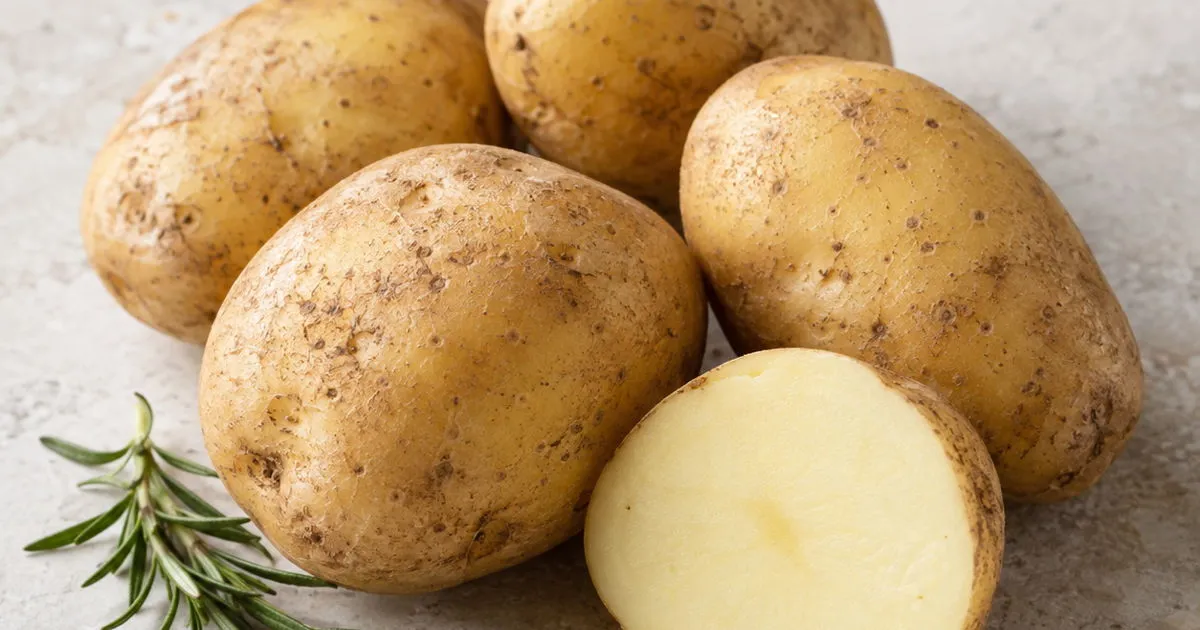
Potatoes belong to the nightshade family, scientifically known as Solanum tuberosum. They are tubers, which means they grow underground and serve as the storage organ for the plant. These nutrient-rich vegetables come in many shapes, sizes, and colors, from the classic white and yellow to red and blue varieties. Potatoes are primarily composed of water and carbohydrates, making them an excellent source of energy. They are often praised for their food value and are considered a key ingredient in many cuisines globally.

Types of Potatoes

When it comes to types of potatoes, the variety seems endless. Each type brings its unique flavor and texture, perfect for different dishes. Here are some popular varieties:

  • Russet Potatoes: Known for their high starch content, they are perfect for baking and making fluffy mashed potatoes.
  • Yukon Gold Potatoes: These have a creamy, buttery flavor and are great for roasting and salads.
  • Red Potatoes: These waxy potatoes hold their shape well, making them ideal for soups and stews.
  • Fingerling Potatoes: Small and elongated, they are great for roasting and add an interesting twist to dishes.
  • New Potatoes: Harvested early, these small potatoes are tender and sweet, perfect for cooking whole.

Understanding these types can greatly enhance your cooking experience, as each variety has its best uses based on color, texture, and flavor profile.

Culinary Uses of Potatoes

Potatoes are truly a kitchen superstar. They can be cooked in various ways, each resulting in different textures and flavors. Whether you choose to bake, boil, fry, or mash them, the possibilities are endless.

One of the key reasons behind their popularity is their ability to absorb flavors. In soups and stews, potatoes soak up the broth, enhancing the overall taste. Mashed potatoes, with a bit of butter and milk, create comfort food that pairs well with many main dishes. They also work beautifully in casseroles, adding heartiness and substance.

Also, potatoes shine when it comes to frying. Who can resist crispy French fries or golden, crunchy chips? They serve as a fantastic side to burgers and sandwiches, satisfying the cravings for something crunchy and delicious.

Whether you’re whipping up a quick weeknight dinner or preparing for a special feast, potatoes are a reliable ingredient. Their flexibility in the kitchen and ability to mix well with other ingredients make them a go-to choice for many home cooks.

Potatoes as a Key Ingredient

Potatoes are incredibly versatile. They can transform a meal in countless ways. Whether it’s mashed, fried, or roasted, they add comfort and satisfaction. They serve as a base for so many dishes, making them a staple in many kitchens. You combine them with other ingredients, and they adapt beautifully. This adaptability enables endless creativity in cooking. In various cuisines, potatoes play a crucial role. For example, in Indian cuisine, they shine in dishes like aloo gobi. In Italian cooking, they find their way into gnocchi. Every culture has its special ways of celebrating potatoes. They can absorb flavors well, enhancing the overall taste of the meal. Cooking techniques can change how potatoes taste and feel. Boiling makes them soft and fluffy, perfect for a creamy mash. Roasting gives them a crunchy exterior while keeping the inside tender. Each method brings out different qualities, making potatoes a key ingredient that everybody loves.

Baking with Potatoes

Baking with potatoes is a fun experience. They can add moisture and richness to baked goods. Take, for instance, potato bread. It brings a delightful texture and flavor that regular bread can’t match. You can also use mashed potatoes in cakes or muffins. It sounds unusual, but trust me; it works! Potato skins baked until crispy can serve as cups for various fillings. These potato skins are a popular appetizer. People enjoy their crunch and the gooey cheese that often tops them. Potatoes also lend themselves to savory casseroles. Imagine layers of potatoes with cheese and cream baked to perfection. It’s comfort food at its finest. Baking with potatoes offers a chance to try new recipes. You can experiment with sweet potatoes or even purple varieties, adding color and flavor to your dishes. You’ll be amazed at the range of possibilities potatoes provide.

Nutritional Value and Health Benefits

Potatoes pack a nutritional punch. They are rich in vitamins and minerals, making them a great addition to any diet. One medium potato contains potassium, vitamin C, and B vitamins. This combination supports heart health and boosts your immune system. Despite their reputation for being starchy, potatoes are low in calories and fat-free when prepared without excessive oil or butter. They are high in fiber, especially when you enjoy the skin. Fiber aids digestion and helps you feel full longer. This makes potatoes a smart choice for weight management. Moreover, studies suggest that potatoes can have antioxidant properties. This means they may help combat oxidative stress in the body. Eating a variety of potatoes can contribute to overall health. They can fit well within a balanced diet, allowing you to enjoy delicious meals without guilt. Incorporating potatoes into your meals can be both tasty and beneficial for your health. Just remember, the way you prepare them matters. Simple cooking methods preserve their nutrients and let you enjoy their natural flavor.

Storage, Selection, and Preparation

When it comes to potatoes, proper storage and selection are key to enjoying their best flavor and texture. Start by looking for firm potatoes. Avoid those with soft spots, bruises, or green patches. Green areas indicate solanine, a natural toxin that can taste bitter. Once you buy your potatoes, store them in a cool, dark, and dry place. A pantry works well, but never put them in the fridge; cold temperatures can turn their starches into sugars, affecting flavor. Also, keep them away from onions. The gases that onions emit can cause potatoes to sprout and spoil faster. Preparation is easy. First, wash them thoroughly under cold water to remove any dirt. You can scrub them with a brush if needed. Some recipes call for peeling, but potato skins are nutritious. It often depends on your preference and how you plan to use them. For example, skin-on potatoes work wonderfully in roasted dishes or mashed potatoes for added texture. If you want to slice or dice your potatoes, do it just before cooking. This prevents them from turning brown. Submerging cut potatoes in water can slow oxidation if you’re not using them immediately.

Growing Potatoes

Growing your own potatoes can be a rewarding experience. It is simpler than it sounds, and you don’t need a giant garden. Potatoes can thrive in containers or small garden beds. Start with seed potatoes, which are little tubers specifically meant for planting. Seed potatoes should be firm and healthy, not sprouted or rotting. Begin by chitting your potatoes. This means placing them in a warm, bright spot for a few weeks until they develop small shoots. Once ready, plant them in well-drained soil about 4 inches deep. Space your seed potatoes about 12 inches apart to allow for growth. Water them regularly, especially during dry spells. Potatoes love moisture, but don’t drown them. When plants start to flower, it’s a good sign that tubers are forming underground. You’ll need to hill the plants, which means piling soil around the base as they grow. This encourages more tuber development. Harvesting is the fun part. Depending on the variety, you can expect to dig them up about 10 to 20 weeks after planting. Gently loosen the soil with a fork, and you’ll find your delicious new potatoes.

History and Origin of Potatoes

The potato has a rich and fascinating history that dates back thousands of years. Originally, it comes from the Andes mountains in South America. Ancient civilizations, like the Incas, cultivated potatoes long before Christopher Columbus ever set sail. They valued the potato’s ability to sustain life in harsh climates. Spanish explorers brought potatoes to Europe in the late 16th century. At first, it faced skepticism. Many people were wary of consuming this “new” food. However, as it gained popularity, it became a staple crop, especially in Ireland and parts of Eastern Europe. During the 19th century, the potato was central to the agricultural economy. It played a significant role in feeding growing populations. Unfortunately, it also contributed to historical tragedies, like the Great Famine in Ireland, when a single potato blight caused disastrous crop failures. Today, potatoes are one of the most cultivated crops worldwide. They’re incredibly versatile, appearing in cuisines all over the globe. From French fries to potato salad, they continue to hold a special place on our plates. With a history that spans continents and cultures, potatoes truly have an incredible story to tell.

Recipes With Potatoes

30 mins289
This chicken and bell pepper potato hash is a hearty and flavorful one-pan meal perfect for breakfast
5
45 mins2152
Chicken and Bell Pepper Potato Bake is an easy and flavorful dinner made with tender chicken, roasted
5
1 hrs 15 mins4134
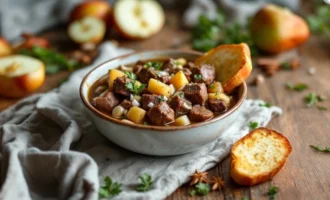
Looking for an easy beef stew recipe that feels like true American comfort food? This Beef and Apple
5
30 mins299
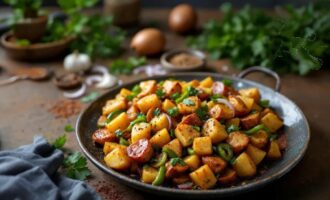
Chicken and potato stir fry recipe with tender chicken, crispy potatoes, and savory seasonings.
4.67
1 hrs 5 mins4307
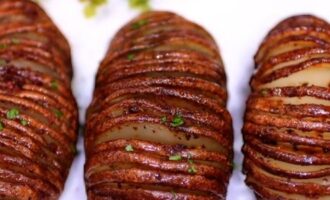
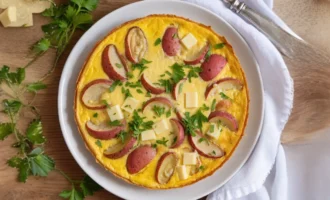
How To Make Scored Potatoes with Garlic Butter Preparing the perfect dish of Potatoes with Garlic Butter
4.88
1 hrs 50 mins31.4k.
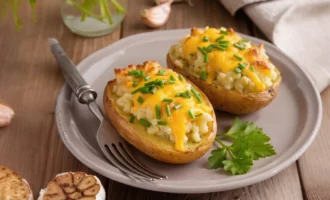
Twice-Baked Garlic Potatoes are a rich, creamy, and comforting potato dish made with roasted garlic
4.94