Sunflower Oil
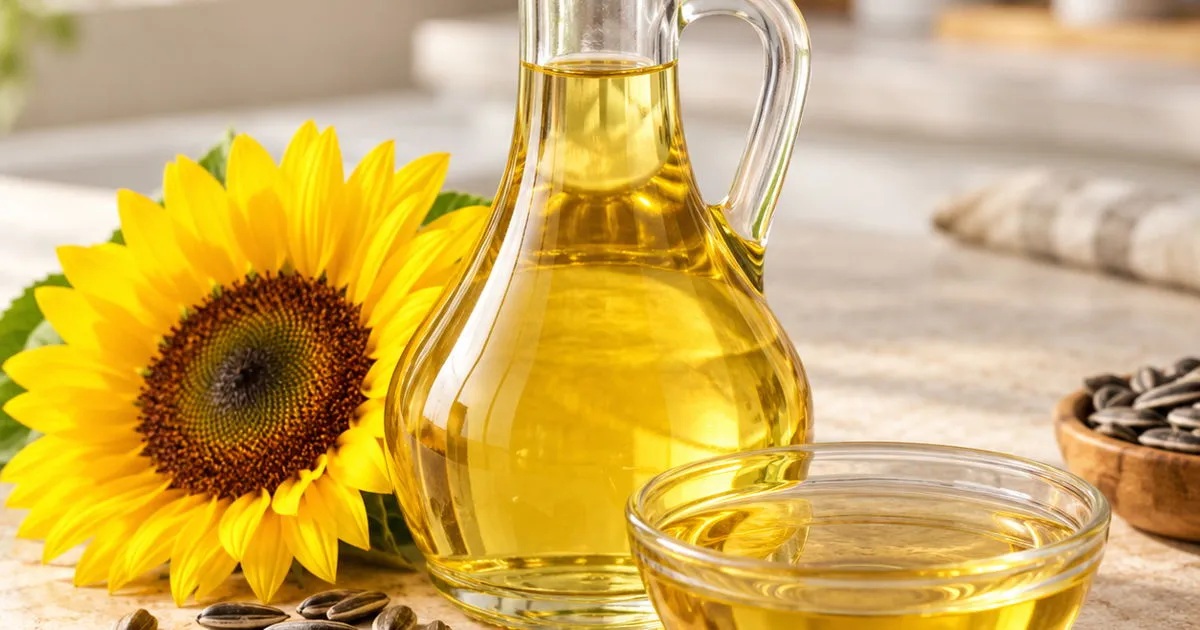
Sunflower oil is a light and versatile plant-based oil with a mild flavor. It is widely used for sautéing, frying, roasting, baking, marinades, sauces, and salad dressings. Sunflower oil works especially well with potatoes, flour, and eggs. Explore easy recipes with sunflower oil and discover delicious ideas for breakfast, lunch, dinner, baking, appetizers, and homemade meals.
Best Sunflower Oil Recipes
Read more about sunflower oil
What Is Sunflower Oil?
Sunflower oil is a plant-based cooking oil extracted from sunflower seeds. It generally has a light texture and mild flavor, making it suitable for many sweet and savory recipes.
The flavor, composition, and cooking properties vary according to the type of sunflower seeds, extraction method, and refining process. Always check the package for the oil’s recommended uses and cooking temperatures.
Types of Sunflower Oil
Several types of sunflower oil are available:
- Refined sunflower oil – neutral in flavor and commonly used for frying, sautéing, roasting, and baking.
- Unrefined sunflower oil – has a more noticeable sunflower-seed flavor and is better suited to dressings, dips, and lower-temperature uses.
- High-oleic sunflower oil – contains a higher proportion of oleic acid and is often selected for cooking and commercial food preparation.
- Cold-pressed sunflower oil – mechanically extracted with limited heat and may retain more color and flavor.
- Expeller-pressed sunflower oil – mechanically extracted by pressing sunflower seeds.
How to Use Sunflower Oil
Sunflower oil can be used to sauté vegetables, fry potatoes, cook eggs, roast meat, prepare stir-fries, or coat ingredients before baking. Refined sunflower oil is useful when a neutral taste is preferred.
Cold-pressed or unrefined sunflower oil can be used in salad dressings, marinades, dips, and sauces where its more distinctive flavor complements the other ingredients.
Can You Fry With Sunflower Oil?
Refined sunflower oil is commonly used for shallow frying and deep frying. Its mild flavor allows the taste of the food and seasonings to remain prominent.
Heat the oil gradually and follow the cooking-temperature guidance on the package. Avoid allowing it to smoke heavily, and do not overcrowd the pan because this can lower the oil temperature and produce greasy food.
Can You Bake With Sunflower Oil?
Sunflower oil can replace another neutral liquid oil in many cakes, muffins, brownies, pancakes, cookies, and quick breads. It adds moisture without introducing a strong flavor.
Measure it according to the recipe. Replacing solid butter with sunflower oil may require adjustments because butter contains water and milk solids and behaves differently during baking.
Sunflower Oil Substitutes
The best substitute depends on the recipe:
- Use canola oil for frying, sautéing, roasting, dressings, and baking.
- Use vegetable oil when a neutral flavor is needed.
- Use grapeseed oil for sautéing, baking, marinades, and salad dressings.
- Use avocado oil for sautéing, roasting, grilling, frying, and baking.
- Use olive oil when its more noticeable flavor complements the dish.
- Use melted butter in selected savory dishes and baked recipes for a richer flavor.
Each substitute has its own flavor and response to heat. Select an oil appropriate for the cooking method and follow its package instructions.
How to Reuse Sunflower Oil
Frying oil may sometimes be reused if it has not overheated or developed an unpleasant odor, excessive foam, dark color, or unusual consistency. Allow the oil to cool completely, then strain out food particles.
Store the strained oil in a clean, tightly sealed container and use it only for compatible recipes. Discard it when its color, smell, flavor, or cooking performance noticeably deteriorates.
How to Store Sunflower Oil
Store sunflower oil in a tightly sealed container in a cool, dark place away from direct sunlight, heat, and the stove. Exposure to air, light, and warmth can cause it to lose quality more quickly.
Follow the storage instructions and date guidance printed on the package. Discard the oil if it develops a stale, bitter, waxy, paint-like, or otherwise unpleasant aroma or flavor.
Do not pour used sunflower oil down a sink or drain. Allow it to cool completely, transfer it to a secure container, and follow local disposal or cooking-oil recycling guidance.
Frequently Asked Questions
Does sunflower oil have a strong flavor?
Refined sunflower oil generally has a light and neutral flavor. Cold-pressed and unrefined varieties may have a more noticeable sunflower-seed taste.
Can sunflower oil be used for frying?
Yes. Refined sunflower oil is commonly used for shallow and deep frying. Check the package to confirm that the specific product is suitable for the required cooking temperature.
Can sunflower oil replace vegetable oil?
Yes. Sunflower oil can usually replace vegetable oil in equal amounts in frying, sautéing, roasting, cakes, muffins, brownies, and other recipes.
Can sunflower oil replace butter in baking?
It can replace melted butter in some cakes, muffins, brownies, and quick breads. However, it may not work properly in recipes that require softened butter to be creamed with sugar.
How can you tell if sunflower oil has gone bad?
Sunflower oil may be rancid if it smells or tastes stale, bitter, waxy, paint-like, or otherwise unpleasant. Store it away from heat, light, and air to help preserve its quality.
Is sunflower oil gluten-free?
Pure sunflower oil does not naturally contain gluten. Flavored oils, cooking sprays, and blended products may contain additional ingredients, so check the package for a certified gluten-free label when necessary.
