Red Bell Pepper
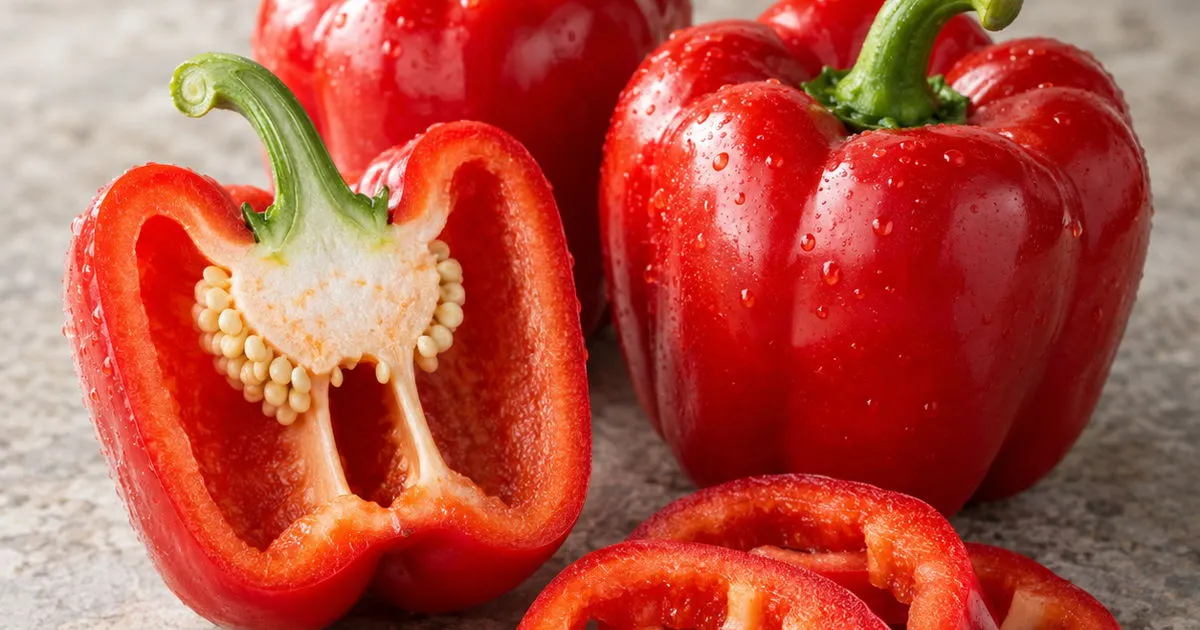
Red bell pepper is a colorful and versatile ingredient with a crisp texture and naturally sweet, mild flavor. It can be served raw, roasted, grilled, sautéed, stuffed, or added to soups, sauces, salads, pasta, and casseroles. Red bell pepper pairs especially well with garlic, onion, tomato, and olive oil. Explore easy recipes with red bell pepper and discover delicious ideas for appetizers, lunch, dinner, salads, side dishes, and everyday meals.
Best Red Bell Pepper Recipes
Read more about red bell peppers
What Is a Red Bell Pepper?
A red bell pepper is a sweet pepper with crisp flesh, a hollow center, and small edible seeds attached to a pale inner core. Unlike many hot peppers, bell peppers contain little to no capsaicin and do not usually taste spicy.
Red bell peppers are generally fully ripened green bell peppers. As they mature, their color changes and their flavor becomes sweeter and less grassy.
Red Bell Pepper vs. Green Bell Pepper
Red and green bell peppers commonly come from the same type of pepper plant but are harvested at different stages of ripeness.
Green bell peppers are picked earlier and usually have a firmer texture with a slightly bitter or grassy flavor. Red bell peppers remain on the plant longer, developing a softer texture and sweeter taste.
They can often replace one another in recipes, although the finished flavor and color will be different.
How to Choose Red Bell Peppers
Choose red bell peppers that feel firm and heavy for their size. The skin should look smooth, glossy, and evenly colored.
Avoid peppers with mold, leaking areas, deep wrinkles, or large soft spots. Minor surface marks are generally acceptable if the flesh remains firm.
How to Cut a Red Bell Pepper
Follow these steps to prepare a red bell pepper:
- Wash and dry the pepper.
- Place it on a stable cutting board.
- Cut off the top and bottom.
- Make one vertical cut through the side.
- Open the pepper and remove the core, seeds, and pale inner membranes.
- Cut the flesh into strips, rings, or diced pieces.
The seeds are edible but are usually removed because of their texture and mild bitterness.
Ways to Cook Red Bell Peppers
Red bell peppers can be prepared using several cooking methods:
- Sautéing: Cook sliced peppers in olive oil until tender but still slightly crisp.
- Roasting: Roast pieces or whole peppers until softened and browned.
- Grilling: Grill halves or thick strips for a smoky flavor.
- Stuffing: Fill whole or halved peppers with rice, meat, beans, vegetables, or cheese.
- Baking: Add chopped peppers to casseroles, pizzas, egg dishes, and savory pies.
- Serving raw: Slice peppers for salads, sandwiches, dips, and snack platters.
Cooking makes red bell peppers softer and develops their natural sweetness.
How to Roast Red Bell Peppers
To roast red bell peppers:
- Preheat the oven to 450°F (230°C).
- Cut the peppers in half and remove the stems, seeds, and membranes.
- Place them cut-side down on a lined baking sheet.
- Roast until the skins are darkened and blistered.
- Transfer the hot peppers to a covered bowl and let them steam briefly.
- When cool enough to handle, peel away the loosened skins.
Use roasted peppers in sauces, sandwiches, pasta, salads, dips, soups, and appetizers.
Ways to Use Red Bell Peppers
Red bell peppers add color, sweetness, and texture to many recipes:
- Fresh salads, sandwiches, wraps, and snack plates
- Fajitas, tacos, stir-fries, and rice bowls
- Pasta, pizza, soups, and casseroles
- Omelets, frittatas, and breakfast skillets
- Stuffed pepper recipes
- Roasted pepper sauces, dips, and spreads
- Grilled vegetable skewers and side dishes
They pair well with chicken, beef, sausage, eggs, cheese, beans, rice, and fresh herbs.
Can Red Bell Pepper Be Eaten Raw?
Yes. Raw red bell pepper has a crisp texture and sweet flavor. It can be sliced for salads, sandwiches, wraps, vegetable trays, and snacks.
Wash the pepper thoroughly and remove the stem, seeds, and pale inner membranes before serving.
Red Bell Pepper Substitutes
Orange or yellow bell peppers are the closest substitutes because they have a similarly sweet and mild flavor. Green bell pepper can also be used, although it tastes less sweet and more grassy.
For selected cooked recipes, roasted peppers from a jar may replace fresh peppers. Drain them before use and remember that their texture will be softer.
How to Store Red Bell Peppers
Store whole red bell peppers unwashed in the refrigerator. Wash them shortly before cutting or cooking.
Place cut peppers in a tightly sealed container and refrigerate them promptly. Discard peppers that develop mold, a slimy texture, leaking areas, or an unpleasant odor.
Frequently Asked Questions
Are red bell peppers spicy?
No. Red bell peppers are sweet peppers and generally contain little to no capsaicin, the compound responsible for the heat in chili peppers.
Why are red bell peppers sweeter than green peppers?
Red bell peppers remain on the plant longer and reach a more mature stage of ripeness. During this process, their flavor becomes sweeter and less bitter.
Can you freeze red bell peppers?
Yes. Remove the stem, seeds, and membranes, then cut the pepper into strips or pieces before freezing. Frozen peppers become softer after thawing and work best in cooked dishes.
Do you need to peel red bell peppers?
No. The skin is edible and does not need to be removed for most recipes. Peeling is common after roasting because it creates a softer and smoother texture.
Can red and green bell peppers be substituted?
Yes, in most recipes. Red peppers will add a sweeter flavor, while green peppers provide a firmer texture and a more grassy taste.