Mayonnaise
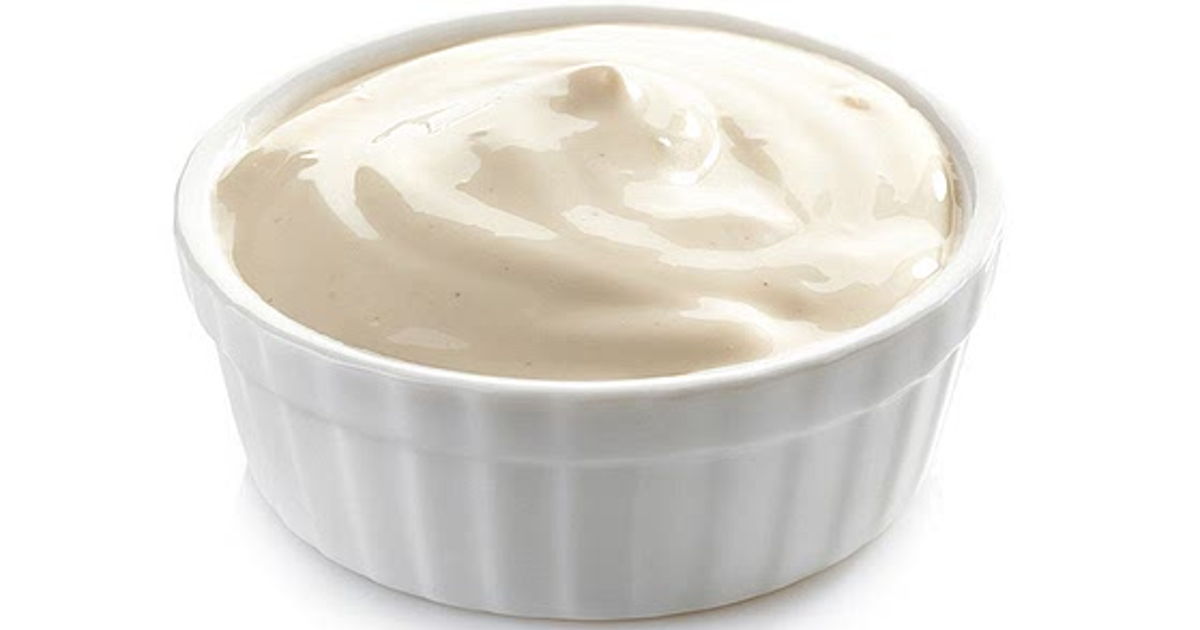
Mayonnaise is a creamy and versatile condiment used in sandwiches, salads, dips, dressings, sauces, marinades, and many everyday recipes. It adds richness, moisture, and a smooth texture to both hot and cold dishes. Mayonnaise works especially well with eggs, lemon juice, garlic, and chicken. Explore easy recipes with mayonnaise and discover delicious ideas for appetizers, lunch, dinner, salads, sandwiches, sauces, and homemade dips.
Best Recipes with Mayonnaise
Read more about mayonnaise
What Is Mayonnaise?
Mayonnaise is a thick, creamy emulsion traditionally made by combining oil, egg yolk, and an acidic ingredient such as lemon juice or vinegar. Mustard, salt, and seasonings are often added for extra flavor.
An emulsion forms when ingredients that normally separate, such as oil and water-based liquids, are blended into a stable mixture.
Common Types of Mayonnaise
Several varieties of mayonnaise are available:
- Regular mayonnaise: Traditional mayonnaise with a rich flavor and thick texture.
- Light mayonnaise: Contains less fat than regular mayonnaise and may include additional ingredients to preserve texture.
- Olive oil mayonnaise: Made with olive oil or a blend of olive oil and other oils.
- Vegan mayonnaise: Made without eggs, usually using plant-based ingredients to create an emulsion.
- Flavored mayonnaise: Mixed with garlic, herbs, chili peppers, lemon, or other seasonings.
These varieties can usually replace one another, but the flavor, consistency, and performance in cooked recipes may differ.
Ways to Use Mayonnaise
Mayonnaise can be used in many recipes:
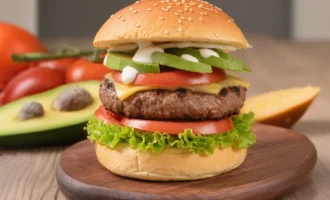
- Sandwiches, burgers, wraps, and sliders
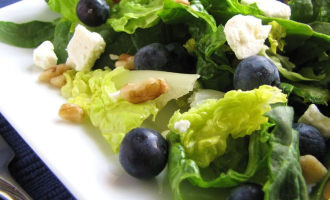
- Potato salad, pasta salad, egg salad, and chicken salad
- Dips, spreads, salad dressings, and sauces
- Marinades and coatings for chicken or fish
- Deviled eggs and savory appetizers
- Coleslaw and creamy vegetable salads
- Selected cakes and baked goods for added moisture
Mayonnaise can also help seasonings and breadcrumbs adhere to meat, poultry, fish, and vegetables before cooking.
How to Make Homemade Mayonnaise
A basic homemade mayonnaise can be prepared with:
- 1 pasteurized egg yolk
- 1 tablespoon lemon juice or vinegar
- 1 teaspoon mustard
- 3/4 cup neutral cooking oil
- Salt to taste
To prepare it:
- Place the pasteurized egg yolk, lemon juice, mustard, and salt in a bowl.
- Whisk until evenly combined.
- Add the oil very slowly while whisking continuously.
- Continue until the mixture becomes thick and creamy.
- Adjust the seasoning and acidity to taste.
Keep homemade mayonnaise refrigerated and use pasteurized eggs because the finished sauce is not thoroughly cooked.
Why Does Mayonnaise Separate?
Mayonnaise can separate when the oil is added too quickly or when the ingredients do not combine into a stable emulsion. Large temperature differences between ingredients may also make emulsification more difficult.
To help prevent separation, add the oil in a very thin stream while whisking continuously. Once the mixture begins to thicken, the remaining oil can be incorporated more gradually.
How to Fix Broken Mayonnaise
Place a fresh pasteurized egg yolk or a small amount of mustard in a clean bowl. Slowly whisk the separated mayonnaise into it, beginning with only a few drops at a time.
Continue whisking until the mixture becomes smooth and thick again. If it is excessively thick, blend in a small amount of lemon juice or water.
Mayonnaise vs. Miracle Whip
Mayonnaise has a rich, creamy flavor based primarily on oil and egg. Miracle Whip is a separate dressing product with added sweeteners and seasonings, giving it a sweeter and more strongly seasoned flavor.
They can sometimes replace one another in sandwiches and salads, but the final dish will taste noticeably different.
Mayonnaise Substitutes
The best substitute depends on the recipe:
- Greek yogurt: Provides a creamy texture with a tangier flavor.
- Sour cream: Works well in dips, dressings, and creamy salads.
- Mashed avocado: Adds a creamy texture to sandwiches, wraps, and selected salads.
- Hummus: Suitable as a spread or binder in savory recipes.
- Vegan mayonnaise: Provides a similar texture without eggs.
The substitute may change the flavor, moisture, and consistency of the finished recipe.
How to Make Garlic Mayonnaise
Prepare a simple garlic mayonnaise by combining:
- 1/2 cup mayonnaise
- 1 small minced garlic clove
- 1 teaspoon lemon juice
- Salt and black pepper to taste
Mix until smooth and refrigerate before serving. Use it as a dip, sandwich spread, burger sauce, or topping for roasted vegetables.
How to Store Mayonnaise
Store unopened commercial mayonnaise according to the package instructions. After opening, keep it tightly covered in the refrigerator and use a clean utensil to avoid introducing crumbs or other ingredients.
Homemade mayonnaise should be refrigerated immediately in a clean, tightly sealed container and used promptly. Do not leave mayonnaise-based dishes at room temperature for extended periods.
Discard mayonnaise that develops mold, separation accompanied by an unpleasant odor, unusual discoloration, or signs of contamination.
Frequently Asked Questions
Does mayonnaise contain raw eggs?
Traditional homemade mayonnaise often contains an uncooked egg yolk. Commercial mayonnaise is generally made with pasteurized eggs or egg products. Check the label if you need to confirm the ingredients.
Can you cook with mayonnaise?
Yes. Mayonnaise can be used as a coating for chicken, fish, and vegetables or added to selected casseroles, sauces, cakes, and baked dishes.
Can mayonnaise be frozen?
Freezing is generally not recommended because the emulsion may separate during thawing, creating a watery or grainy texture.
Why is lemon juice or vinegar added to mayonnaise?
Lemon juice or vinegar adds acidity and flavor while providing the water-based liquid needed to create the emulsion.
Can mayonnaise replace butter?
Mayonnaise can replace butter in selected uses, such as spreading on the outside of grilled sandwiches or adding moisture to certain cakes. It is not a direct substitute in every cooking or baking recipe.