Calories in 100 G:
0.53 g
Protein
1.18 g
Fats
4.31 g
Carbs
30
kcal

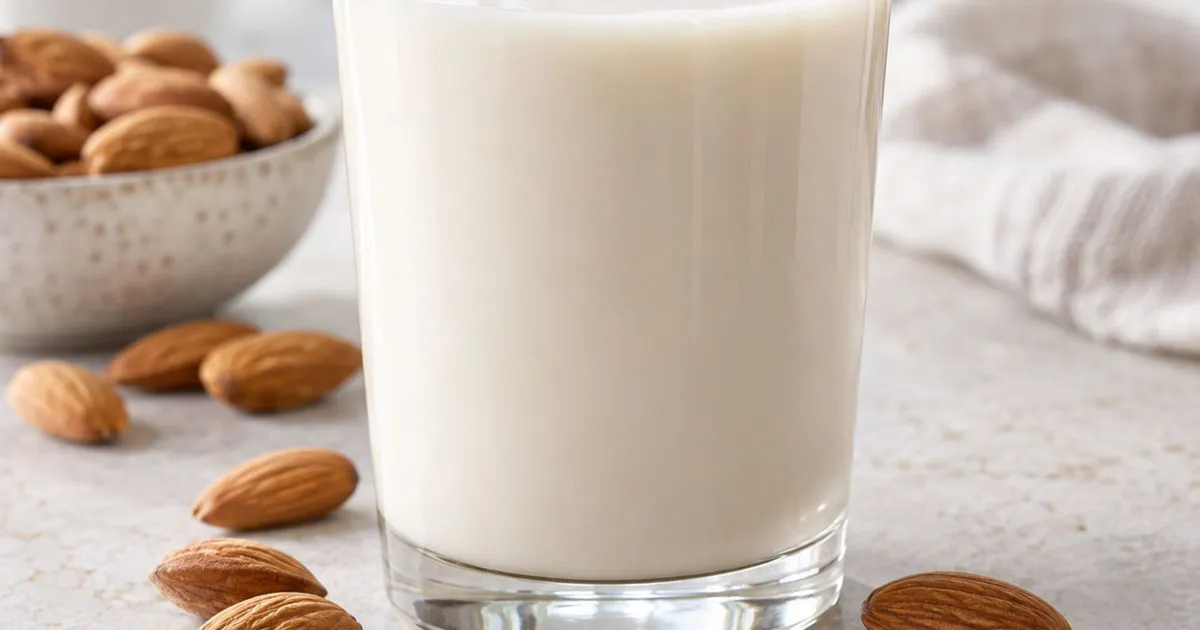
Almond milk is a popular plant-based milk made from blended almonds and filtered water. It has a light, nutty flavor and a creamy texture, making it a versatile dairy-free alternative for everyday cooking and beverages.

Rich in vitamin E and naturally lactose-free, almond milk is widely used in smoothies, coffee, cereals, desserts, and savory recipes. It is suitable for vegan, vegetarian, gluten-free, and dairy-free diets.

What Is Almond Milk?

Almond milk is a dairy-free, plant-based beverage made by blending almonds with water and then straining the mixture. The result is a smooth, lightly nutty “milk” that’s commonly used as a substitute for cow’s milk in drinks and recipes. You’ll find it in unsweetened, sweetened, vanilla, and barista versions, and some brands are fortified with vitamins and minerals.

Almond Milk: Benefits, Nutrition, Recipes & Uses — almond milk is a versatile plant-based alternative to dairy milk with a mild nutty flavor and smooth texture. It is rich in vitamin E, naturally lactose-free, and widely used in smoothies, coffee, baking, and cooking. Thanks to its nutritional value and versatility, almond milk is a popular choice for vegan, dairy-free, and health-conscious diets, making it an essential ingredient in many modern recipes.

Taste and Texture

Almond milk has a mild, slightly nutty flavor with a light, clean finish. The texture is usually thinner than dairy milk, though “extra creamy” or barista-style options feel richer and foam better in coffee. Unsweetened almond milk tastes more neutral, while sweetened or flavored versions can be noticeably dessert-like.

Health Benefits

Many almond milks are naturally lactose-free and work well for vegan and dairy-free diets. Unsweetened almond milk is often lower in calories than dairy milk, and it can be a good source of vitamin E. Fortified products may also provide calcium and vitamin D. For the healthiest option, choose unsweetened and check labels for added sugars.

How to Use Almond Milk

  • Drinks: smoothies, iced coffee, matcha, hot chocolate
  • Breakfast: oatmeal, overnight oats, chia pudding, cereal
  • Baking: pancakes, muffins, cakes, quick breads
  • Cooking: creamy soups, sauces, mashed potatoes, casseroles
  • Swaps: use 1:1 in most recipes that call for milk (best with unsweetened for savory dishes)

Popular Recipes With Almond Milk

Almond milk is perfect in creamy smoothies, baked goods, and light sauces. Below you’ll find a curated list of recipes that use almond milk—great for dairy-free breakfasts, desserts, and everyday cooking.

Storage Tips

  • Unopened shelf-stable cartons: store in a cool, dry pantry until the best-by date.
  • Unopened refrigerated cartons: keep in the fridge until the best-by date.
  • After opening: refrigerate and use within 7–10 days (check the package for your brand’s guidance).
  • Shake well: separation is normal—shake before pouring.
  • Homemade almond milk: keep refrigerated and use within 3–5 days.

Nutrition Facts

Nutrition varies by brand and whether it’s sweetened or fortified. Unsweetened almond milk is typically low in calories and carbohydrates, while sweetened versions contain more sugar. Look for labels that list added calcium, vitamin D, and vitamin B12 if you rely on almond milk as a regular dairy replacement.

Related Ingredients

Recipes list

5 mins2119
This Carrot and Orange Smoothie is an immunity-boosting drink that’s sweet, refreshing, and full
4.75
7 mins2162
How to Make Green Glow Detox Smoothie Refresh and recharge with the Green Glow Detox Smoothie—made with
4.75