Cilantro
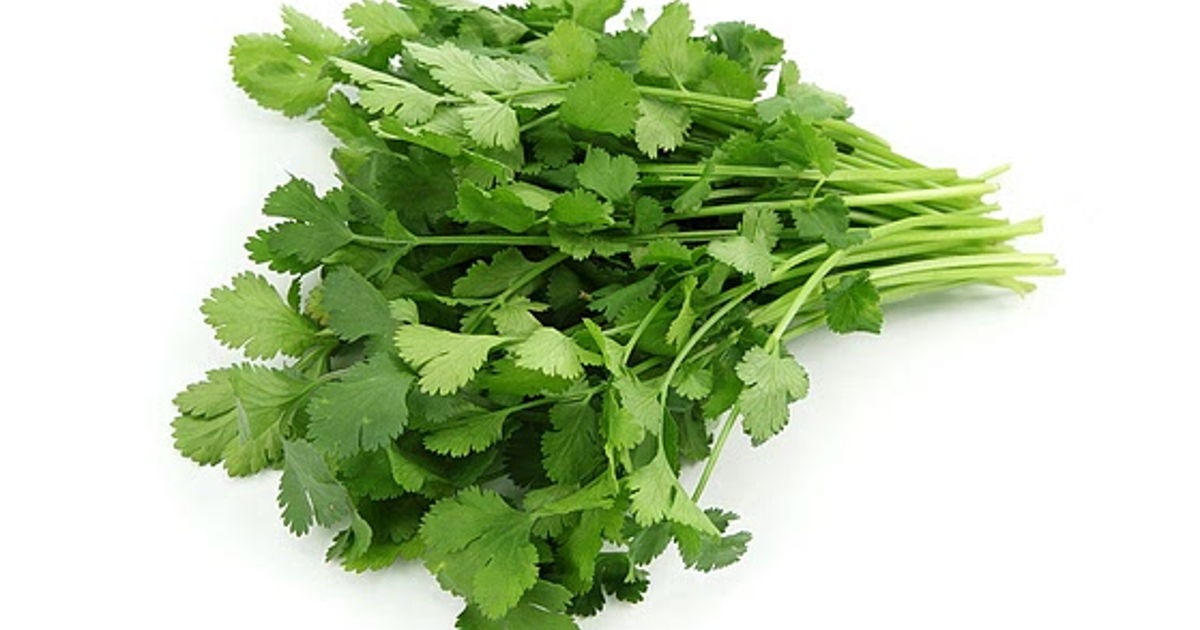
Cilantro is a fresh, aromatic herb used to add bright citrusy flavor and green color to many dishes. It is commonly added to salsa, tacos, salads, curries, soups, rice, marinades, sauces, and dips. Cilantro pairs especially well with lime juice, garlic, onion, and tomato. Explore easy recipes with cilantro and discover flavorful ideas for appetizers, lunch, dinner, salads, sauces, side dishes, and everyday meals.
Best Cilantro Recipes
Read more about cilantro
What Is Cilantro?
Cilantro is the leafy portion of the coriander plant. It has delicate green leaves, tender stems, and a distinctive fresh flavor that is often described as citrusy, peppery, and slightly grassy.
It is widely used in Mexican, Latin American, Caribbean, Indian, Middle Eastern, and Southeast Asian cooking.
Cilantro vs. Coriander
In the United States, “cilantro” generally refers to the fresh leaves and stems, while “coriander” refers to the plant’s dried seeds.
In some countries, the fresh herb is called coriander or coriander leaf. Although the leaves and seeds come from the same plant, they have different flavors and are not directly interchangeable.
How to Choose Fresh Cilantro
Choose cilantro with bright green leaves and firm stems. The bunch should have a fresh herbal aroma and should not contain excessive moisture.
Avoid cilantro with yellow or blackened leaves, mold, slimy areas, or an unpleasant odor. Small wilted sections can be removed if the remaining herb is still fresh.
How to Wash Cilantro
Cilantro can hold soil and grit between its leaves and stems, so wash it carefully:
- Remove any damaged or discolored leaves.
- Place the cilantro in a bowl of cool water.
- Gently move it through the water to loosen dirt.
- Lift the cilantro out instead of pouring out the water over it.
- Repeat if sediment remains in the bowl.
- Dry it thoroughly with a salad spinner or clean kitchen towel.
Dry cilantro before chopping so it does not become slippery or dilute sauces and dressings.
How to Chop Cilantro
Gather the leaves and tender stems into a loose pile and cut them with a sharp knife. Chop only until the pieces reach the desired size.
Avoid repeatedly crushing the cilantro with the knife because this can bruise the leaves and leave excess moisture on the cutting board.
Can You Eat Cilantro Stems?
Yes. Cilantro stems are edible and contain plenty of flavor. Tender upper stems can be chopped with the leaves and added to salsa, soups, curries, sauces, and marinades.
Thicker lower stems can be finely chopped for cooked dishes or blended into sauces. Remove only tough, damaged, or dried stem ends.
Ways to Use Cilantro
Cilantro adds fresh flavor and color to many recipes:
- Tacos, burritos, enchiladas, and quesadillas
- Salsa, guacamole, pico de gallo, and dips
- Salads, wraps, sandwiches, and grain bowls
- Rice, beans, soups, curries, and stews
- Chicken, beef, pork, fish, and shrimp recipes
- Marinades, salad dressings, chutneys, and sauces
- Garnishes for noodles, chili, roasted vegetables, and eggs
Cilantro works especially well with lime, avocado, tomatoes, onion, garlic, chili peppers, and cumin.
When to Add Cilantro While Cooking
Cilantro is delicate and can lose its bright flavor and color during prolonged cooking. Add it near the end of cooking or sprinkle it over the finished dish when you want a fresh herbal flavor.
The stems can be added earlier to soups, stews, curries, and sauces because they are firmer and can flavor the dish as it cooks.
How to Make Cilantro Lime Sauce
A simple cilantro lime sauce can be prepared by combining:
- 1 cup loosely packed cilantro
- 1/2 cup plain yogurt or sour cream
- 1 tablespoon lime juice
- 1 small garlic clove
- Salt and black pepper to taste
Blend until smooth. Serve the sauce with tacos, grilled chicken, fish, vegetables, rice bowls, or salads.
Cilantro Substitutes
No substitute has exactly the same flavor, but several herbs may work depending on the recipe:
- Parsley: Provides fresh green color and a milder herbal flavor.
- Thai basil: Works in selected Southeast Asian soups, curries, and noodle dishes.
- Mint: Adds a fresh flavor to salads, chutneys, and some sauces.
- Green onion: Adds color and mild onion flavor to tacos, soups, and rice dishes.
Choose a substitute that complements the cuisine and other ingredients in the recipe.
How to Store Cilantro
Remove damaged leaves and keep cilantro refrigerated. Place the stems in a small glass containing a little water, loosely cover the leaves, and refrigerate. Change the water if it becomes cloudy.
Another option is to loosely wrap dry cilantro in a paper towel and place it inside a container or storage bag. Excess moisture can cause the leaves to deteriorate more quickly.
Discard cilantro that develops mold, a slimy texture, darkened leaves, or an unpleasant odor.
Frequently Asked Questions
Why does cilantro taste like soap to some people?
Some people are especially sensitive to naturally occurring aroma compounds in cilantro and perceive its flavor as soapy or unpleasant. Genetics can influence this response.
Are cilantro and parsley the same?
No. They may look similar, but cilantro has a stronger citrusy aroma, while parsley has a cleaner and milder herbal flavor.
Can cilantro be cooked?
Yes. The stems can be added during cooking, while the delicate leaves are usually added near the end to preserve their fresh flavor and color.
Can you freeze cilantro?
Yes. Chop the washed and thoroughly dried cilantro before freezing it in a sealed container. Frozen cilantro becomes softer and works best in sauces, soups, curries, and other cooked dishes.
Can parsley replace cilantro?
Parsley can provide a similar appearance and fresh herbal element, but it will not reproduce cilantro’s distinctive citrusy flavor. Adding a little lime juice may make it more suitable for some recipes.