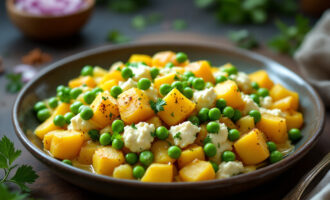
Parsley
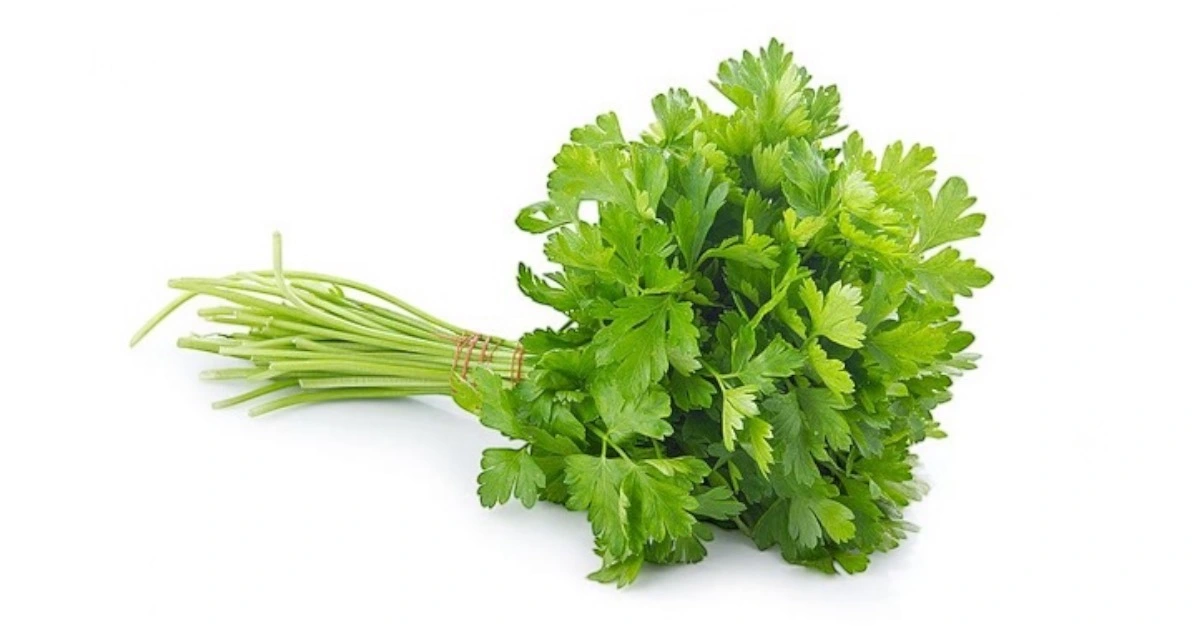
Parsley is a fresh, versatile herb used to add color, aroma, and a clean herbal flavor to many dishes. It can be mixed into salads, sauces, soups, marinades, pasta, rice, vegetables, meat, and seafood or added as a garnish before serving. Parsley pairs especially well with garlic, lemon, butter, and olive oil. Explore easy recipes with parsley and discover flavorful ideas for appetizers, lunch, dinner, salads, sauces, side dishes, and everyday meals.
Best Parsley Recipes
Read more about parsley
What Is Parsley?
Parsley is a leafy green herb commonly used in Mediterranean, European, Middle Eastern, and American cooking. It has a fresh, mildly peppery flavor that complements many savory dishes.
Both the leaves and tender stems are edible. Parsley can be used as a main ingredient in sauces and salads or added in smaller amounts as a seasoning and garnish.
Types of Parsley
The two most common culinary varieties are:
- Flat-leaf parsley: Also called Italian parsley, it has broad, flat leaves and a pronounced herbal flavor.
- Curly parsley: Has tightly curled leaves, a crisp texture, and a milder flavor. It is commonly used as a garnish.
The two varieties can usually replace one another, although flat-leaf parsley is often easier to chop and blend into recipes.
How to Choose Fresh Parsley
Choose parsley with bright green leaves and firm stems. The bunch should have a fresh herbal aroma without excessive moisture.
Avoid parsley with yellow leaves, mold, dark slimy areas, or a strong unpleasant odor. Minor wilted sections can be removed before use if the remaining leaves are fresh.
How to Wash Parsley
Rinse parsley thoroughly under cool running water to remove dirt from the leaves and stems. Gently shake off the excess water, then dry it with a clean kitchen towel or salad spinner.
Dry parsley before chopping because wet leaves can become slippery and difficult to cut. Excess moisture may also dilute sauces and dressings.
How to Chop Parsley
Remove any thick or damaged stem ends, but keep the tender upper stems because they are flavorful and edible. Gather the leaves into a compact pile and chop them with a sharp knife.
For a fine texture, continue moving the knife through the parsley until it reaches the desired size. Avoid excessive chopping, which can bruise the leaves and leave moisture on the cutting board.
Ways to Use Parsley
Parsley adds fresh flavor and color to many recipes:
- Salads, sandwiches, wraps, and grain bowls
- Soups, stews, sauces, and casseroles
- Pasta, rice, potatoes, and roasted vegetables
- Chicken, beef, lamb, fish, and seafood dishes
- Marinades, salad dressings, dips, and spreads
- Garlic butter, pesto, chimichurri, and herb sauces
- Garnishes for eggs, soups, pasta, and finished meals
Parsley combines well with lemon, garlic, olive oil, butter, cheese, tomatoes, and many other fresh herbs.
When to Add Parsley While Cooking
Parsley can be added during cooking or shortly before serving. Adding it early allows its flavor to blend into soups, stews, and sauces, but extended cooking may reduce its fresh aroma and bright color.
For a fresher flavor, stir chopped parsley into the dish near the end of cooking or sprinkle it over the finished meal.
How to Make Parsley Garlic Butter
A simple parsley butter can be prepared by combining:
- 1/2 cup softened butter
- 2 tablespoons finely chopped parsley
- 1 minced garlic clove
- 1 teaspoon lemon juice
- Salt and black pepper to taste
Mix until evenly combined. Use it on bread, pasta, vegetables, chicken, steak, fish, or seafood.
Fresh vs. Dried Parsley
Fresh parsley provides bright color, texture, and a clean herbal flavor. It is ideal for salads, garnishes, sauces, and recipes where the herb remains noticeable.
Dried parsley is convenient for soups, sauces, seasoning blends, and long-cooked dishes. Because dried herbs have a more concentrated flavor, use a smaller amount when replacing fresh parsley.
A common starting point is approximately 1 teaspoon of dried parsley for every 1 tablespoon of fresh parsley, then adjust according to taste.
Parsley Substitutes
Possible substitutes depend on the recipe:
- Cilantro: Suitable for salsa, tacos, curries, and selected salads but has a distinctly different flavor.
- Basil: Works well in pasta, tomato dishes, salads, and sauces.
- Chives: Add a mild onion flavor to eggs, potatoes, dips, and garnishes.
- Celery leaves: Provide fresh color and a mild celery flavor.
- Fresh oregano: Suitable for selected Mediterranean sauces and roasted dishes.
No substitute tastes exactly like parsley, so choose one that complements the other ingredients.
How to Store Parsley
Remove damaged leaves and keep the parsley refrigerated. It can be loosely wrapped in a slightly damp paper towel and placed inside a container or storage bag.
Another option is to place the stems in a small glass of water and loosely cover the leaves before refrigerating. Change the water if it becomes cloudy.
Wash parsley shortly before using it unless it can be dried thoroughly before storage. Discard parsley that becomes slimy, moldy, or unpleasant-smelling.
Frequently Asked Questions
Can you eat parsley stems?
Yes. Tender parsley stems are edible and flavorful. They can be finely chopped for salads, sauces, marinades, soups, and stews. Thick or tough lower stems can be removed.
Is Italian parsley the same as flat-leaf parsley?
Yes. Italian parsley is another common name for flat-leaf parsley.
Can curly parsley replace flat-leaf parsley?
Yes. Curly parsley can replace flat-leaf parsley in most recipes, although it has a different texture and may provide a milder flavor.
Can you freeze parsley?
Yes. Chop the washed and thoroughly dried parsley before freezing it in a sealed container. Frozen parsley becomes softer and works best in cooked dishes, sauces, and soups.
Should parsley be added before or after cooking?
It can be added at either stage. Add it during cooking for a blended herbal flavor or near the end to preserve its fresh aroma and green color.