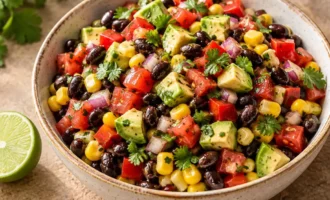
Easy Recipes with Lime Juice
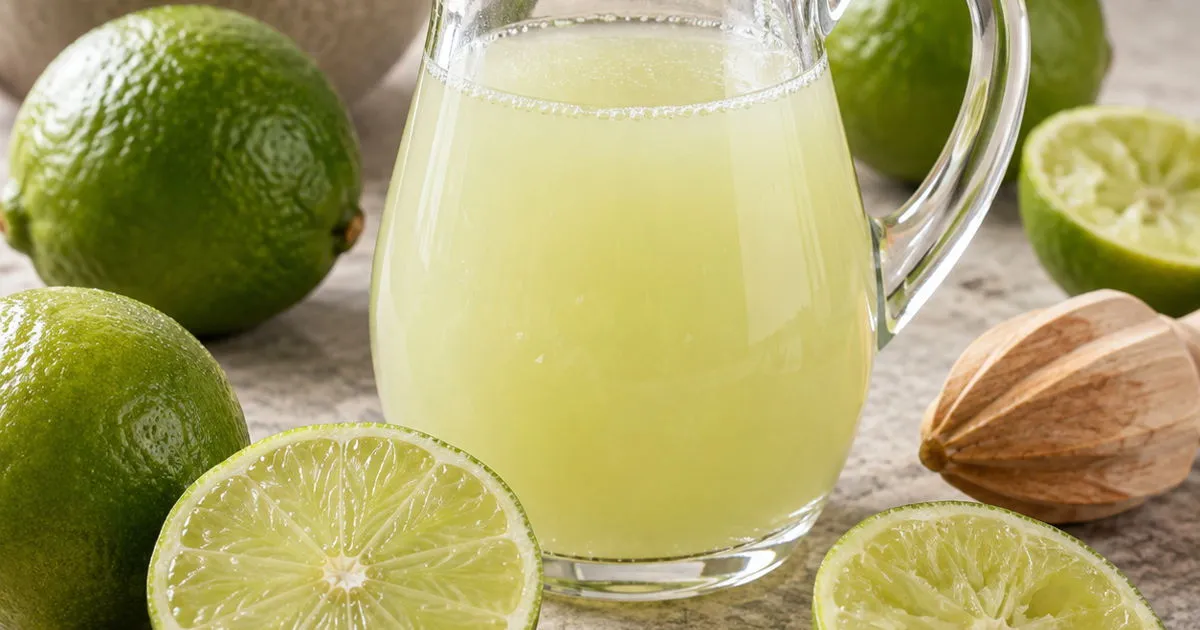
Lime juice is a bright, tart ingredient used to add fresh citrus flavor and balance to sweet and savory recipes. It is commonly added to marinades, salad dressings, sauces, tacos, seafood, desserts, cocktails, and refreshing drinks. Lime juice pairs especially well with garlic, olive oil, chicken, and avocado. Explore easy recipes with lime juice and discover delicious ideas for appetizers, lunch, dinner, desserts, drinks, marinades, and everyday meals.
Best Recipes with Lime Juice
Read more about lime juice
What Is Lime Juice?
Lime juice is the tart liquid extracted from fresh limes. It adds acidity, citrus aroma, and a refreshing flavor to both sweet and savory dishes.
It is commonly used in Mexican, Latin American, Caribbean, Southeast Asian, and Indian-inspired recipes. Lime juice can balance rich, salty, sweet, and spicy flavors.
Fresh vs. Bottled Lime Juice
Fresh lime juice generally has a brighter flavor and more noticeable citrus aroma. It works especially well in drinks, guacamole, salsa, dressings, marinades, and recipes where lime is a prominent flavor.
Bottled lime juice is convenient and lasts longer after opening, but its flavor may be more concentrated or less fresh-tasting. Follow the product label for storage instructions and use the specific type required by tested canning or preserving recipes.
How to Juice a Lime
Follow these simple steps to extract lime juice:
- Wash and dry the lime.
- Roll it firmly on the countertop to help release the juice.
- Cut the lime in half crosswise.
- Squeeze each half by hand or use a citrus juicer.
- Remove the seeds before adding the juice to the recipe.
If the lime is very firm, allow it to reach room temperature before squeezing. A fine-mesh strainer can remove seeds and excess pulp.
How Much Juice Is in One Lime?
The amount of juice varies according to the lime’s size, variety, and ripeness. One medium lime generally produces approximately:
- 1–2 tablespoons of lime juice
- About 1–2 teaspoons of lime zest
Measure the juice after squeezing when the recipe requires a precise amount.
Ways to Use Lime Juice
Lime juice can be used in many recipes:
- Making salad dressings and vinaigrettes
- Preparing marinades for chicken, beef, fish, and shrimp
- Adding flavor to tacos, salsa, and guacamole
- Balancing soups, sauces, curries, and rice dishes
- Flavoring cakes, pies, cookies, and frostings
- Preparing limeade, cocktails, tea, and smoothies
- Slowing the browning of cut avocado and some fruits
Add lime juice gradually and taste the recipe before adding more because its acidity can quickly become dominant.
How to Cook with Lime Juice
Lime juice can be added during cooking or shortly before serving. Adding it early allows the citrus flavor to blend into marinades, soups, curries, and sauces.
For a brighter and fresher flavor, add some lime juice near the end of cooking. Prolonged heat can reduce its fresh citrus aroma.
How to Make a Lime Marinade
A simple lime marinade can be prepared by combining:
- 3 tablespoons olive oil
- 2 tablespoons lime juice
- 1 minced garlic clove
- Salt and black pepper to taste
Fresh herbs, honey, chili powder, cumin, or paprika can be added for extra flavor. Always discard marinade that has been in contact with raw meat unless it is thoroughly boiled before being used as a sauce.
How to Bake with Lime Juice
Lime juice adds tart citrus flavor to pies, cakes, cookies, cheesecakes, glazes, and frostings. Lime zest can be added with the juice for a stronger aroma.
Because lime juice adds both liquid and acidity, avoid making large changes to the amount in a baking recipe. This may affect the balance, texture, and rising of the finished product.
Lime Juice Substitutes
The best substitute depends on the recipe. Lemon juice is usually the closest alternative because it provides similar acidity and a fresh citrus flavor.
Other possible substitutes include:
- Lemon juice: Suitable for dressings, marinades, drinks, and desserts.
- White wine vinegar: Useful in selected savory sauces and dressings.
- Apple cider vinegar: Adds acidity with a mild fruity flavor.
- Orange juice: Sweeter and less acidic, but useful in selected drinks, marinades, and desserts.
These substitutions will change the finished flavor. Follow the original ingredient requirements in tested canning and preserving recipes.
Lime Juice vs. Lemon Juice
Lime juice and lemon juice are both tart citrus ingredients, but their flavors are different. Lime juice often has a sharper, more aromatic character, while lemon juice generally tastes brighter and slightly less bitter.
They can replace one another in many marinades, dressings, sauces, and drinks. However, the substitution may noticeably change recipes in which citrus is the primary flavor.
How to Store Lime Juice
Place freshly squeezed lime juice in a clean, tightly sealed container and refrigerate it promptly. For longer storage, freeze it in small portions or an ice cube tray, then transfer the frozen cubes to a freezer-safe container.
Store bottled lime juice according to the package instructions. Discard lime juice that develops mold, an unusual appearance, or an unpleasant odor.
Frequently Asked Questions
Can bottled lime juice replace fresh lime juice?
Yes, in many cooked recipes. Fresh juice usually provides a brighter flavor and is preferable for drinks, dressings, salsa, guacamole, and dishes where lime is prominent.
Can you freeze lime juice?
Yes. Freeze it in small portions so you can thaw only the amount required for a recipe.
Why is my lime juice bitter?
Bitterness can come from crushed seeds, excessive white pith, the lime variety, or prolonged cooking. Remove the seeds and avoid pressing large amounts of pith while juicing.
Does lime juice keep avocado from turning brown?
Lime juice can slow browning, but it will not prevent it indefinitely. Cover the avocado tightly and refrigerate it after applying the juice.
Can lime juice replace lemon juice?
Yes, in many recipes. The acidity is similar, but lime has a distinct flavor that may change the taste of desserts, sauces, dressings, and drinks.