White Wine Recipes
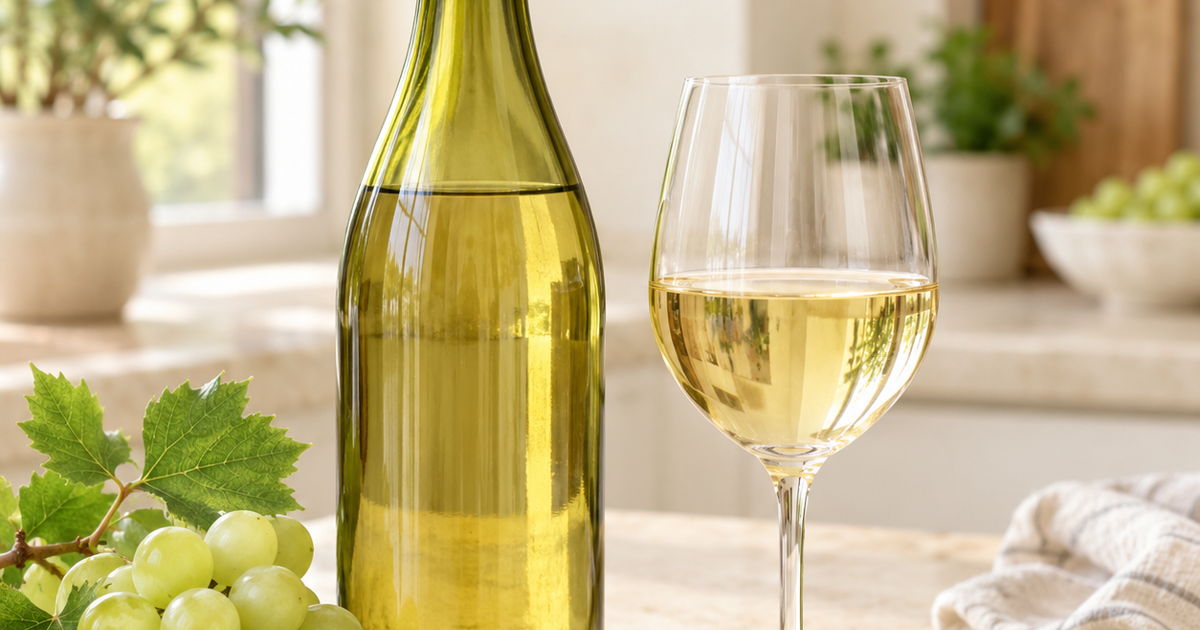
White wine is a versatile cooking and drink ingredient known for its fresh, fruity, floral, or crisp flavor. It is widely used in sauces, marinades, soups, risotto, seafood, chicken dishes, desserts, and cocktails. White wine pairs especially well with garlic, lemon juice, and butter. Explore recipes with white wine and discover flavorful ideas for dinner, sauces, seafood, chicken, pasta, desserts, drinks, and special occasions.
Best White Wine Recipes
Read more about white wine
What Is White Wine?
White wine is an alcoholic beverage generally made by fermenting grape juice without prolonged contact with dark grape skins. It can be produced from green grapes or from dark grapes when the skins are removed before fermentation.
White wine can range from dry and crisp to rich, aromatic, fruity, or sweet. Its flavor depends on the grape variety, growing region, fermentation process, aging method, and producer.
Popular Types of White Wine
Different white wines offer distinct flavors and cooking characteristics:
- Sauvignon Blanc – crisp and acidic, making it suitable for seafood, chicken, vegetables, and light sauces.
- Pinot Grigio – light and refreshing, with a mild flavor that works well in many savory dishes.
- Chardonnay – ranges from crisp and unoaked to rich and buttery; useful for creamy sauces, chicken, and seafood.
- Riesling – aromatic and available from dry to sweet; suitable for pork, chicken, spicy food, sauces, and desserts.
- Chenin Blanc – can be dry or sweet, with noticeable fruit and acidity.
- Moscato – usually sweet and aromatic, making it better suited to desserts, fruit dishes, and sweet drinks.
How to Use White Wine in Cooking
White wine can be used to deglaze a pan, build a sauce, flavor a marinade, steam seafood, or add depth to soups, risotto, and pasta. It works especially well with chicken, fish, shrimp, mushrooms, onions, garlic, butter, cream, and herbs.
Add white wine after sautéing the main ingredients and allow it to simmer before adding other liquids. This helps concentrate its flavor and incorporate the browned pieces from the bottom of the pan.
Best White Wine for Cooking
A dry white wine such as Sauvignon Blanc, Pinot Grigio, or an unoaked Chardonnay is a versatile choice for savory recipes. Select a wine with a flavor that you find pleasant.
Avoid sweet wine unless the recipe specifically requires sweetness. Products labeled cooking wine may contain added salt or seasonings, so regular dry white wine often provides better control over the finished flavor.
How to Make White Wine Sauce
Cook garlic, onions, shallots, or mushrooms in a small amount of butter or oil. Add white wine to deglaze the pan and scrape up the browned pieces with a wooden spoon.
Allow the wine to simmer and reduce before adding broth, cream, herbs, or other recipe ingredients. Finish the sauce with butter, lemon juice, or Parmesan cheese if desired.
Use caution when pouring wine near an open flame because alcohol is flammable.
White Wine Substitutes
The best substitute depends on the recipe:
- Use chicken or vegetable broth in sauces, soups, risotto, and savory dishes.
- Use white grape juice with a small amount of vinegar or lemon juice.
- Use apple juice in pork, chicken, sauces, and selected desserts.
- Use alcohol-free white wine when a wine-like flavor is desired without alcohol.
- Use water mixed with a small amount of white wine vinegar or lemon juice when mild acidity is needed.
- Use apple cider vinegar diluted with water in marinades and selected savory recipes.
Fruit juices are generally sweeter than dry white wine. Choose an unsweetened product when possible and reduce other sweet ingredients as needed.
White Wine vs. White Cooking Wine
Regular white wine is produced for drinking and can also be used in cooking. White cooking wine is marketed as a cooking ingredient and may contain added salt, preservatives, or seasonings.
Because cooking wine can be salty, taste the dish before adding extra salt. A regular dry white wine usually provides a fresher and more balanced flavor.
How to Store White Wine
Store unopened white wine in a cool, dark place away from direct sunlight, heat, and major temperature changes. Bottles sealed with natural cork are commonly stored on their sides to help prevent the cork from drying out.
After opening, close the bottle securely and refrigerate it to slow oxidation. White wine intended only for cooking can also be frozen in small measured portions, although freezing may affect its drinking quality.
Keep white wine securely stored away from children and anyone under the legal drinking age.
Frequently Asked Questions
Can any white wine be used for cooking?
Many dry white wines can be used for cooking. Sauvignon Blanc, Pinot Grigio, and unoaked Chardonnay are versatile choices. Avoid very sweet or strongly oaked wine unless the recipe specifically calls for it.
What can replace white wine in a recipe?
Broth, alcohol-free white wine, or white grape juice mixed with a small amount of vinegar or lemon juice can replace white wine. Select the substitute according to whether the recipe needs acidity, sweetness, or savory flavor.
Does all the white wine alcohol cook out?
Not necessarily. The amount of alcohol remaining depends on the quantity used, cooking temperature, method, and cooking time. Do not assume that a cooked dish is completely alcohol-free.
Can white wine be frozen for cooking?
Yes. White wine can be frozen in measured portions and later added to sauces, soups, risotto, and other cooked dishes. Use a freezer-safe container and leave enough room for expansion.
Why does white wine sauce taste sour?
The wine may be highly acidic, insufficiently reduced, or used in excessive amounts. Simmer it according to the recipe and balance the sauce with broth, butter, cream, or a small amount of sweetness when appropriate.
Is white wine gluten-free?
Plain white wine generally does not contain gluten ingredients. However, flavored wine drinks, additives, and production practices can differ. Check the label or contact the manufacturer if gluten must be strictly avoided.