Walnut Oil
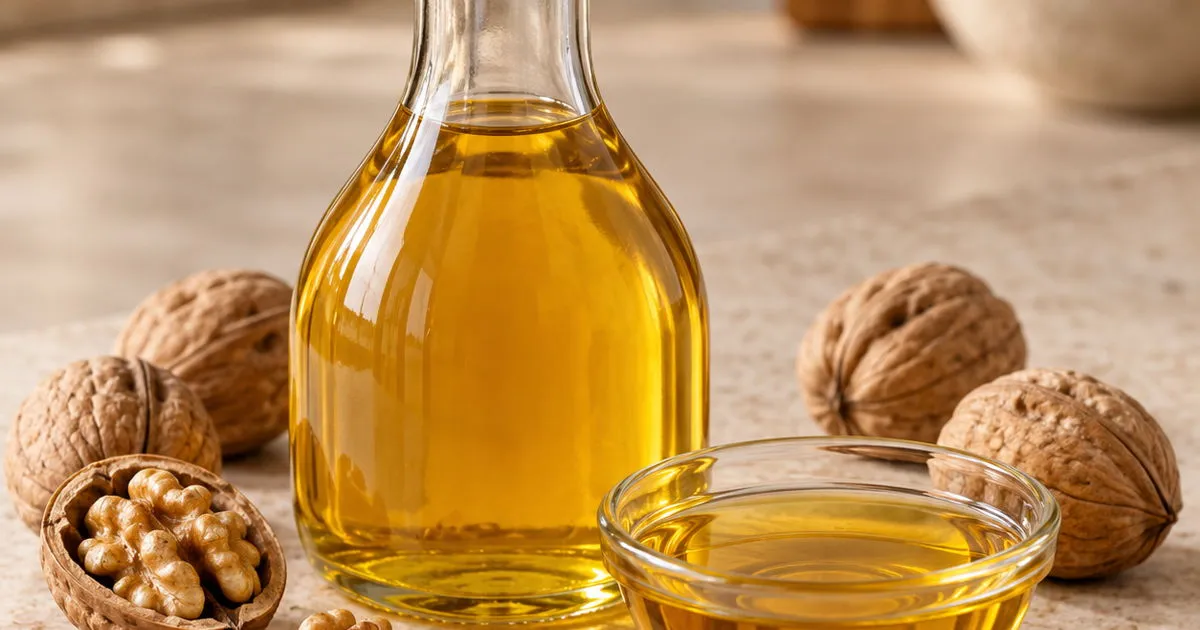
Walnut oil is a flavorful plant-based oil known for its rich, nutty taste and smooth texture. It is widely used in salad dressings, marinades, sauces, pasta, roasted vegetables, baked goods, and finished dishes. Walnut oil pairs especially well with lemon juice, garlic, and cheese. Explore easy recipes with walnut oil and discover flavorful ideas for salads, appetizers, lunch, dinner, baking, and homemade sauces.
Best Walnut Oil Recipes
Read more about walnut oil
What Is Walnut Oil?
Walnut oil is a plant-based cooking oil extracted from walnuts. It has a distinctive nutty flavor that can add depth to dressings, sauces, marinades, desserts, and finished dishes.
The flavor, color, and cooking properties depend on how the walnuts are processed and whether the oil is refined, cold-pressed, or made from roasted nuts.
Types of Walnut Oil
Different types of walnut oil have different culinary uses:
- Cold-pressed walnut oil – mechanically extracted with limited heat and usually has a noticeable walnut flavor.
- Unrefined walnut oil – retains more aroma and flavor and is best suited to dressings, dips, sauces, and finishing dishes.
- Refined walnut oil – lighter in flavor and may be suitable for a wider range of cooking applications.
- Roasted walnut oil – made from roasted walnuts and has a deep, toasted nut flavor.
Check the product label for its processing method and recommended cooking temperatures.
How to Use Walnut Oil
Walnut oil can be whisked into vinaigrettes, mixed into marinades, drizzled over pasta, or added to dips and sauces. It also works well as a finishing oil for roasted vegetables, soups, grain bowls, and cheese dishes.
Its strong nutty flavor pairs well with apples, pears, grapes, figs, leafy greens, beets, carrots, squash, mushrooms, cheese, and herbs. Begin with a small amount and add more after tasting.
Can You Cook With Walnut Oil?
Walnut oil can be used in cooking, but the best method depends on the specific product. Refined walnut oil may be suitable for moderate cooking temperatures, while cold-pressed and unrefined varieties are generally better for uncooked recipes or gentle heating.
High heat can reduce the oil’s delicate flavor and may cause it to become bitter. Follow the temperature and cooking guidance printed on the package.
Can You Bake With Walnut Oil?
Walnut oil can add moisture and a nutty flavor to cakes, muffins, cookies, brownies, quick breads, and other baked recipes. It works especially well with chocolate, coffee, apples, pears, bananas, cinnamon, and vanilla.
Use it in recipes where its distinctive flavor complements the other ingredients. When replacing another liquid oil, begin with the amount specified in the recipe and adjust only when necessary.
Walnut Oil Substitutes
The best substitute depends on the recipe:
- Use hazelnut oil when another rich nutty flavor is suitable.
- Use almond oil in dressings, desserts, and selected baked recipes.
- Use extra-virgin olive oil in salad dressings, marinades, sauces, and finished dishes.
- Use grapeseed oil when a lighter and more neutral flavor is preferred.
- Use avocado oil for cooking, roasting, dressings, and marinades.
- Use a neutral vegetable oil with finely chopped toasted walnuts when the recipe needs both oil and walnut flavor.
Substitutes can differ in flavor and heat tolerance. Check for nut allergies before replacing walnut oil with another nut-based oil.
How to Make Walnut Oil Dressing
Combine walnut oil with lemon juice or vinegar, mustard, honey, salt, and black pepper. Whisk the ingredients until the dressing is evenly blended.
For a milder walnut flavor, combine it with olive oil or another neutral oil. Add herbs, garlic, or finely chopped walnuts if desired, then adjust the acidity and seasoning to taste.
How to Store Walnut Oil
Walnut oil is sensitive to air, light, and heat. Keep the bottle tightly closed and follow the manufacturer’s storage instructions. Refrigeration after opening is often recommended, especially for cold-pressed or unrefined walnut oil.
Chilled walnut oil may become cloudy or slightly thicker, but it should return to its usual consistency as it warms. Discard the oil if it develops a stale, bitter, paint-like, or otherwise unpleasant odor or flavor.
Frequently Asked Questions
Does walnut oil taste like walnuts?
Cold-pressed, unrefined, and roasted walnut oils usually have a noticeable nutty flavor. Refined walnut oil is typically lighter and more neutral.
Can walnut oil be used for frying?
Some refined walnut oils may be suitable for cooking, but unrefined walnut oil is generally not recommended for high-temperature frying. Follow the temperature guidance on the product label.
Can walnut oil be used in baking?
Yes. Walnut oil works well in cakes, muffins, brownies, cookies, and quick breads when its nutty flavor complements the recipe.
Does walnut oil need to be refrigerated?
Many manufacturers recommend refrigerating walnut oil after opening, particularly cold-pressed and unrefined varieties. Always follow the storage instructions printed on the package.
Does walnut oil contain walnut allergens?
Walnut oil is made from walnuts and may be unsafe for people with a tree-nut allergy. Anyone with a diagnosed allergy should follow medical guidance and carefully review product labels.
Is walnut oil gluten-free?
Pure walnut oil does not naturally contain gluten. Flavored oils and blended products may include additional ingredients, so check the package for a certified gluten-free label when necessary.
