Dried Cranberries
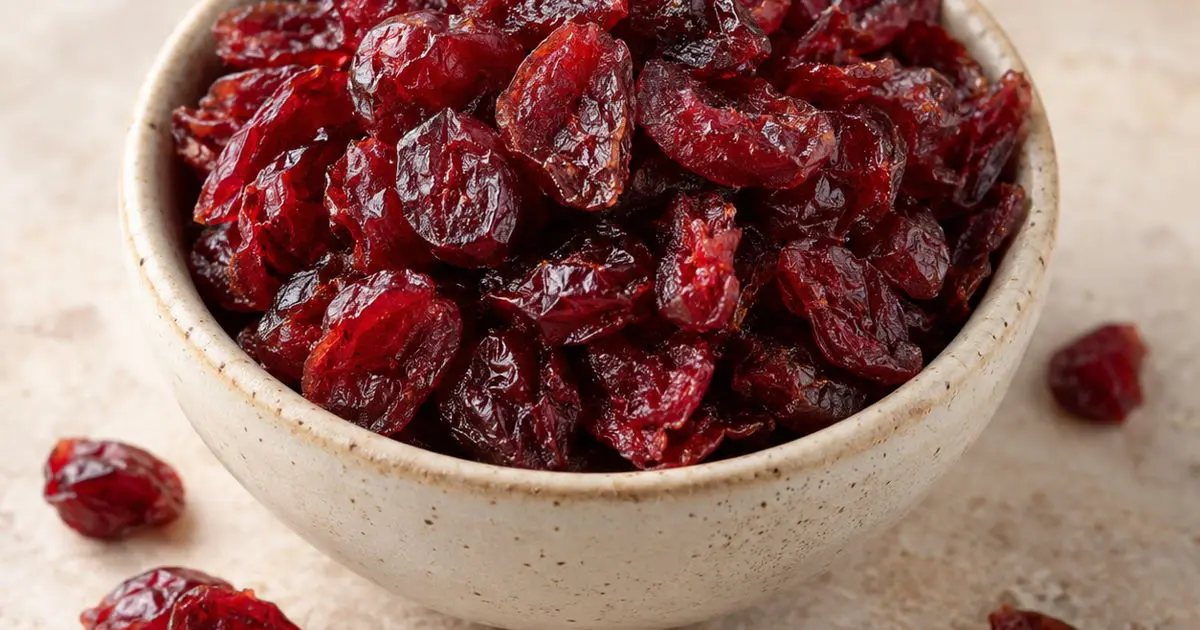
Dried cranberries are chewy, tart-sweet fruits commonly used in oatmeal, salads, cookies, breads, muffins, stuffing, and homemade snack mixes. They add concentrated cranberry flavor, color, and texture without the moisture of fresh fruit. Dried cranberries pair especially well with apples, flour, and cranberry juice. Explore easy recipes with dried cranberries and discover delicious ideas for breakfast, baking, salads, desserts, side dishes, and homemade snacks.
Best Dried Cranberry Recipes
Read more about dried cranberries
What Are Dried Cranberries?
Dried cranberries are cranberries with most of their natural moisture removed. Because fresh cranberries are intensely tart, many dried cranberry products contain added sugar or are infused with fruit juice before drying.
Their chewy texture and concentrated flavor make them convenient for baking, salads, breakfast dishes, stuffing, grain bowls, and portable snacks.
Types of Dried Cranberries
Dried cranberries are available in several varieties:
- Sweetened dried cranberries – the most common type, prepared with added sugar to balance their natural tartness.
- Reduced-sugar dried cranberries – contain less added sugar than standard sweetened varieties.
- Unsweetened dried cranberries – have a much more tart and intense cranberry flavor.
- Juice-sweetened cranberries – sweetened with apple, grape, or another fruit-juice concentrate.
- Flavored dried cranberries – may include orange, cherry, blueberry, or other added flavors.
Check the ingredient list because sweetness, oil coatings, preservatives, and additional flavors vary between products.
How to Use Dried Cranberries
Dried cranberries can be added directly to oatmeal, cereal, yogurt, granola, salads, grain bowls, trail mixes, and cheese boards. They pair well with nuts, seeds, apples, pears, oranges, cheese, chicken, rice, and leafy greens.
They can also be mixed into cookies, muffins, scones, cakes, quick breads, stuffing, rice dishes, sauces, and homemade snack bars.
How to Bake With Dried Cranberries
Fold dried cranberries into cookie dough, muffin batter, bread dough, scones, or cake batter. Large pieces can be chopped for more even distribution.
If the cranberries are extremely dry or firm, rehydrate them before baking. Drain and dry them thoroughly so excess liquid does not affect the dough or batter.
How to Rehydrate Dried Cranberries
Place dried cranberries in a heat-safe bowl and cover them with hot water, cranberry juice, apple juice, or another liquid that complements the recipe.
Allow them to soak until they become softer and plumper. Drain thoroughly and pat them dry before adding them to dough, batter, salads, or other recipes.
Dried vs. Fresh Cranberries
Dried cranberries are chewy, concentrated, and often sweetened. They are best suited to cookies, oatmeal, salads, breads, stuffing, and snack mixes.
Fresh cranberries contain much more moisture and have an intensely tart flavor. They work better in cranberry sauce, compotes, relishes, pies, and other cooked fruit recipes.
Dried cranberries cannot directly replace fresh cranberries in every recipe because their moisture and sugar levels are very different.
Dried Cranberry Substitutes
The best substitute depends on the recipe:
- Use raisins in oatmeal, cookies, breads, stuffing, salads, and trail mixes.
- Use dried cherries for a similar chewy texture and tart-sweet flavor.
- Use dried blueberries in muffins, granola, cookies, oatmeal, and salads.
- Use chopped dried apricots in breads, grain dishes, salads, and snacks.
- Use chopped dates when additional sweetness and a softer texture are acceptable.
- Use currants in scones, breads, cookies, rice dishes, and stuffing.
Substitutes vary in size, sweetness, acidity, and moisture. Chop larger fruits and adjust added sugar when necessary.
How to Store Dried Cranberries
Store unopened dried cranberries in a cool, dry place away from direct sunlight and heat. After opening, transfer them to a tightly sealed food-safe container or close the original package securely.
Follow the storage instructions and date guidance printed on the package. Refrigeration may help preserve quality after opening, especially in a warm or humid environment.
Discard dried cranberries if they develop mold, insects, an unpleasant fermented or rancid odor, unusual moisture, or other signs of spoilage.
Frequently Asked Questions
Are dried cranberries sweetened?
Many dried cranberry products contain added sugar because cranberries are naturally very tart. Unsweetened and juice-sweetened varieties are also available, so check the ingredient list.
Can dried cranberries replace raisins?
Yes. Dried cranberries can usually replace raisins in equal amounts in oatmeal, cookies, breads, salads, stuffing, granola, and trail mixes.
Can dried cranberries replace fresh cranberries?
Not directly in every recipe. Dried cranberries contain much less moisture and are often sweeter. They work well in baked goods and salads but are not a direct substitute for fresh cranberries in traditional sauce.
Should dried cranberries be soaked before baking?
Soaking is optional. It can make very dry cranberries softer and plumper, but they should be drained and dried before being added to dough or batter.
Can dried cranberries be frozen?
Yes. Place them in a tightly sealed freezer-safe container to protect them from moisture and freezer odors. Allow the required portion to return to room temperature before use.
Are dried cranberries gluten-free?
Plain dried cranberries generally do not contain gluten ingredients. Flavored products, snack mixes, and manufacturing practices may vary, so check the package for a certified gluten-free label when necessary.