Coconut Oil
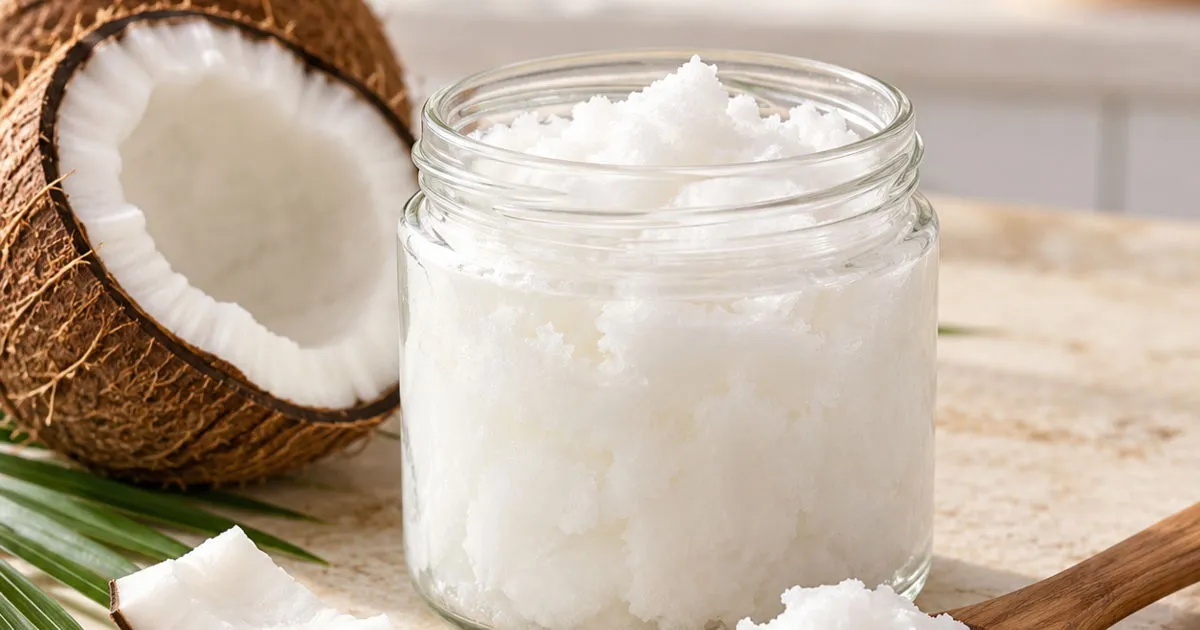
Coconut oil is a versatile plant-based fat that adds moisture, richness, and, depending on the variety, a mild coconut flavor to recipes. It is widely used for sautéing, roasting, frying, baking, desserts, sauces, curries, and homemade snacks. Coconut oil works especially well with flour, chocolate, and vanilla extract. Explore easy recipes with coconut oil and discover delicious ideas for breakfast, dinner, baking, desserts, snacks, and homemade treats.
Best Coconut Oil Recipes
Read more about coconut oil
What Is Coconut Oil?
Coconut oil is a plant-based cooking fat extracted from coconut meat. It can be used for cooking, baking, frying, roasting, and preparing sauces, desserts, and snacks.
Coconut oil is usually solid or semi-solid at cooler room temperatures and becomes liquid when warmed. Its flavor, aroma, and cooking properties depend on how it is processed.
Refined vs. Unrefined Coconut Oil
The two main types of coconut oil have different flavors and uses:
- Refined coconut oil – has a milder, more neutral flavor and is commonly used for sautéing, frying, roasting, and baking.
- Unrefined coconut oil – retains a more noticeable coconut aroma and flavor.
- Virgin coconut oil – generally refers to minimally processed coconut oil made without extensive refining.
- Fractionated coconut oil – processed to remain liquid, but products sold for cosmetic use may not be suitable for cooking.
Always check the label to confirm that a coconut oil product is intended for food preparation.
How to Use Coconut Oil
Coconut oil can be used to sauté vegetables, prepare curries, roast sweet potatoes, fry foods, or coat ingredients before baking. Refined coconut oil is a good choice when a neutral taste is preferred.
Unrefined coconut oil works especially well in recipes where a coconut flavor complements chocolate, vanilla, fruit, oatmeal, granola, muffins, cookies, or other desserts.
How to Bake With Coconut Oil
Coconut oil can replace another cooking oil in many cakes, muffins, brownies, cookies, and quick breads. Measure it in the form required by the recipe.
When using melted coconut oil, allow hot oil to cool slightly before combining it with eggs or other temperature-sensitive ingredients. Bring cold ingredients closer to room temperature so the coconut oil does not harden into small pieces when mixed.
Why Does Coconut Oil Become Solid?
Coconut oil naturally changes between solid and liquid states as its temperature changes. It becomes firmer in a cool room and melts when warmed.
This change is normal and does not mean the oil has spoiled. The form can affect measuring and mixing, so follow the recipe’s instructions for melted, softened, or solid coconut oil.
Coconut Oil Substitutes
The best substitute depends on the recipe:
- Use vegetable or canola oil in recipes that require a neutral liquid oil.
- Use avocado oil for sautéing, roasting, frying, and baking.
- Use olive oil in savory dishes, marinades, sauces, and selected baked recipes.
- Use butter in cookies, cakes, sauces, and other recipes when dairy is acceptable.
- Use shortening when a neutral solid fat is needed for pastries, cookies, and frostings.
- Use plant-based butter when a recipe needs a dairy-free solid fat without coconut flavor.
Coconut oil and liquid oils do not always behave the same way. Substitutions may affect the flavor, moisture, firmness, spread, and texture of the finished food.
How to Melt Coconut Oil
Place the required amount of coconut oil in a microwave-safe or heat-safe container. Warm it gently in short intervals or place the container in a bowl of warm water.
Avoid overheating the oil. If adding it to a batter, allow it to cool slightly and make sure the other ingredients are not extremely cold.
How to Store Coconut Oil
Store coconut oil in a tightly sealed container in a cool, dark place away from direct sunlight, moisture, and heat. Use a clean, dry utensil to prevent water and food particles from entering the container.
Follow the storage instructions and date guidance printed on the package. Discard the oil if it develops mold, unusual discoloration, or a stale, sour, paint-like, or otherwise unpleasant odor or flavor.
Do not pour used coconut oil down a sink or drain because it can solidify and contribute to blockages. Allow it to cool, place it in a secure container, and follow local disposal guidance.
Frequently Asked Questions
Does coconut oil taste like coconut?
Unrefined or virgin coconut oil usually has a noticeable coconut aroma and flavor. Refined coconut oil generally has a much milder and more neutral taste.
Can coconut oil be used for frying?
Yes, when the specific product is suitable for the required temperature. Refined coconut oil is commonly selected for higher-temperature cooking because of its milder flavor. Follow the package guidance.
Can coconut oil replace vegetable oil in baking?
Yes, in many recipes. Coconut oil can often replace vegetable oil in equal amounts, but it may add coconut flavor and become firm as the baked food cools.
Can coconut oil replace butter?
Coconut oil can replace butter in some recipes, particularly when a dairy-free fat is needed. However, butter contains water and milk solids, so the flavor, texture, and spread of baked goods may change.
Is solid coconut oil still safe to use?
Yes. Coconut oil naturally becomes solid or semi-solid at cooler temperatures and melts when warmed. This change is normal and does not indicate spoilage.
Is coconut oil gluten-free?
Pure coconut oil does not naturally contain gluten. Flavored, blended, or processed products may contain additional ingredients, so check the package for a certified gluten-free label when necessary.