Beef Recipes
Beef is a versatile and flavorful meat used in a wide variety of hearty recipes, from quick weeknight meals to slow-cooked family dinners. It can be grilled, roasted, sautéed, braised, or baked and works well in tacos, casseroles, soups, stir-fries, sandwiches, and pasta dishes. Beef pairs especially well with onion, garlic, and potatoes. Explore easy beef recipes and discover delicious ideas for comforting dinners, family meals, casseroles, soups, and more.
Best Beef Recipes
Read more about beef
What Is Beef?
Beef is meat from cattle and is used in a wide variety of recipes, including steaks, burgers, roasts, stews, soups, casseroles, tacos, and stir-fries. Its flavor, tenderness, and ideal cooking method depend largely on the cut and the amount of fat and connective tissue it contains.
Beef is available as whole cuts, such as steaks and roasts, or as ground beef. Tender cuts are well suited to quick, high-heat cooking, while tougher cuts become tender and flavorful when cooked slowly. Beef pairs especially well with garlic, onion, potatoes, mushrooms, tomatoes, herbs, and bold spices.
Popular Cuts of Beef
Different cuts of beef have different textures, flavors, and recommended cooking methods. Some of the most popular options include:
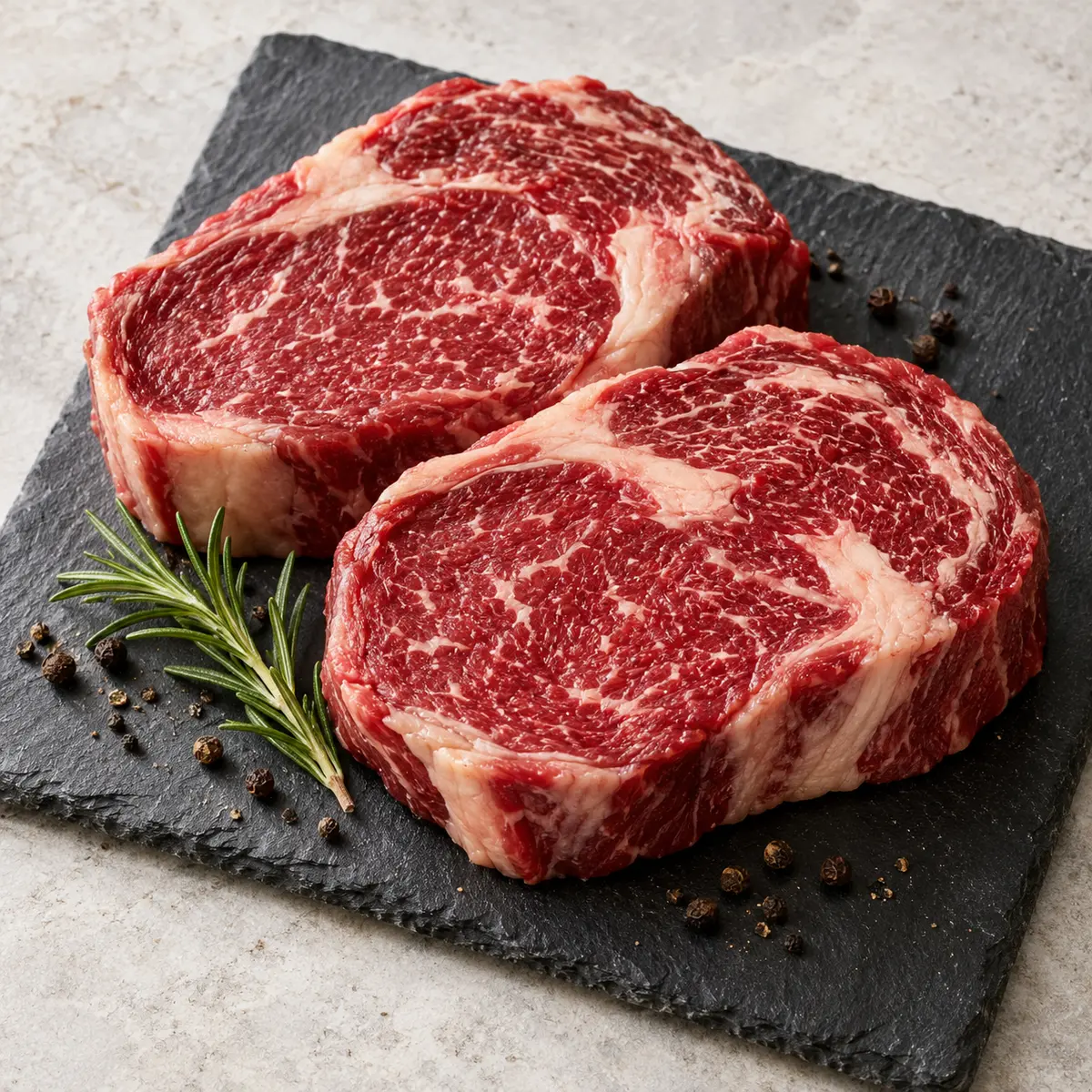
- Ribeye: A rich, well-marbled steak that works well on the grill or in a hot skillet.
- Sirloin: A versatile and relatively lean cut suitable for grilling, broiling, stir-fries, and kebabs.
- Tenderloin: An exceptionally tender cut commonly used for filet mignon.
- Chuck: A flavorful cut that becomes tender when braised or slow-cooked in stews and pot roasts.
- Brisket: A firm cut that benefits from smoking, braising, or long, slow cooking.
- Flank steak: A lean cut that is delicious when marinated, cooked quickly, and sliced thinly against the grain.
- Short ribs: Meaty ribs that develop a tender texture and deep flavor when braised.
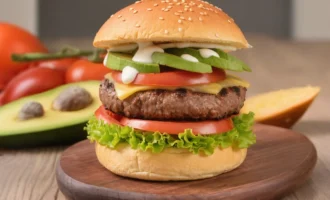
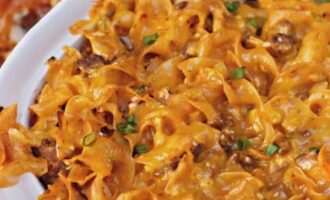
- Ground beef: A convenient option for burgers, meatballs, tacos, meatloaf, casseroles, and pasta sauces.
Visit our beef steak and ground beef collections for more recipe ideas.
How to Cook Beef
Choose a cooking method based on the cut of beef. Tender steaks are best cooked quickly using high heat, while cuts containing more connective tissue need longer cooking times at lower temperatures.
- Grilling: Ideal for ribeye, sirloin, tenderloin, burgers, and kebabs.
- Pan-searing: Creates a flavorful browned crust on steaks and smaller cuts.
- Roasting: Works well for larger cuts such as tenderloin, rib roast, and sirloin roast.
- Braising: Slowly cooks chuck roast, brisket, or short ribs in a small amount of liquid.
- Slow cooking: Helps tougher cuts become tender and is convenient for stews and pot roasts.
- Stir-frying: Uses thinly sliced beef cooked quickly over high heat.
Use a food thermometer instead of relying only on color. Whole beef steaks, chops, and roasts should reach at least 145°F (63°C) and rest for three minutes. Ground beef should reach at least 160°F (71°C).
How to Store Beef
Keep raw beef refrigerated at 40°F (4°C) or below. Store it in its original packaging or in a sealed container on the lowest refrigerator shelf to prevent juices from contacting other foods.
- Fresh steaks and roasts: Refrigerate for 3–5 days.
- Raw ground beef: Refrigerate for 1–2 days.
- Cooked beef: Refrigerate in an airtight container for 3–4 days.
- Frozen steaks and roasts: Use within 4–12 months for the best quality.
- Frozen ground beef: Use within 3–4 months for the best quality.
Thaw frozen beef in the refrigerator, in cold water, or in the microwave. Beef thawed in cold water or the microwave should be cooked immediately. Do not leave raw beef at room temperature for extended periods.
Frequently Asked Questions
What is the best cut of beef for steak?
Ribeye is rich and well marbled, tenderloin is especially tender, and sirloin offers a good balance of flavor, tenderness, and value. The best choice depends on your preferred texture, fat content, and cooking method.
What is the best beef for slow cooking?
Chuck roast, brisket, and short ribs are excellent choices for slow cooking. Their connective tissue gradually breaks down during cooking, creating tender meat and a flavorful sauce.
Should beef rest after cooking?
Yes. Resting allows the juices to redistribute throughout the meat. Whole beef steaks and roasts cooked to the USDA minimum temperature of 145°F should rest for at least three minutes before slicing or serving.
How can you tell when beef is safely cooked?
Check the thickest part of the meat with a food thermometer. Whole cuts should reach at least 145°F with a three-minute rest, while ground beef should reach at least 160°F.