Blueberries
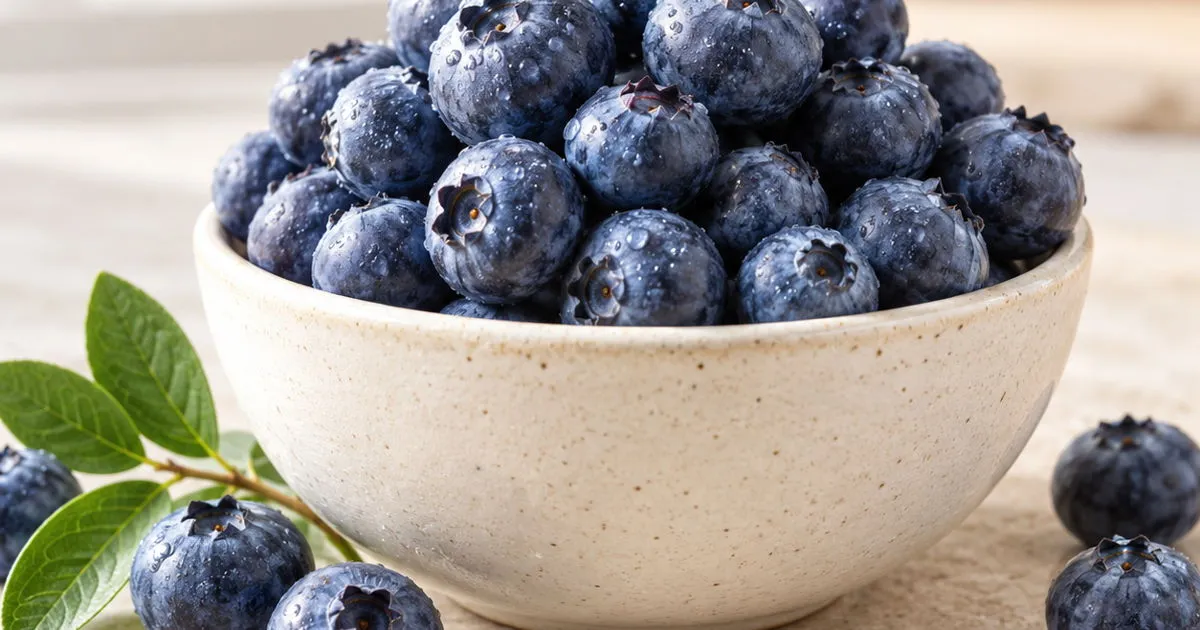
Blueberries are small, juicy berries with a sweet flavor and gentle acidity. They are widely used in pancakes, muffins, smoothies, oatmeal, cakes, pies, salads, sauces, and homemade desserts. Blueberries pair especially well with Greek yogurt, flour, and lemon juice. Explore easy blueberry recipes and discover delicious ideas for breakfast, baking, desserts, drinks, salads, and seasonal treats.
Best Blueberry Recipes
Read more about blueberries
What Are Blueberries?
Blueberries are small, round berries with blue, purple, or nearly black skins and a juicy interior. Their flavor can range from mildly sweet to noticeably tart depending on the variety and ripeness.
A pale, powdery coating on fresh blueberries is called bloom. It is a natural protective layer and is not generally a sign of mold or spoilage.
How to Choose Fresh Blueberries
Choose blueberries that are firm, plump, deeply colored, and mostly dry. They should move freely inside the package rather than sticking together in wet clumps.
Avoid containers with mold, leaking juice, crushed fruit, or an unpleasant fermented odor. Remove damaged berries before storing the rest.
How to Use Blueberries
Fresh blueberries can be added to oatmeal, cereal, yogurt, cottage cheese, pancakes, waffles, salads, parfaits, and fruit bowls. They can also be used as a topping for cheesecake, ice cream, toast, and other desserts.
Cooked blueberries work well in muffins, cakes, pies, cobblers, crisps, sauces, compotes, jams, and syrups. They can also be blended into smoothies, lemonade, cocktails, mocktails, and salad dressings.
Fresh vs. Frozen Blueberries
Fresh blueberries are ideal for garnishes, salads, parfaits, fruit bowls, and recipes where appearance and firm texture are important.
Frozen blueberries are convenient for smoothies, sauces, muffins, pancakes, pies, and other baked recipes. They may release additional moisture and color, but they can often be used without thawing.
How to Bake With Blueberries
Gently fold blueberries into muffin, pancake, cake, or quick-bread batter to avoid crushing them. Mixing too aggressively can release juice and turn the batter purple.
When using frozen blueberries, add them directly from the freezer unless the recipe states otherwise. Thawing can release extra juice and cause more color to spread through the batter.
A light coating of flour may help distribute blueberries in some thick batters, but it cannot completely prevent them from sinking when the batter is very thin.
How to Wash Blueberries
Place blueberries in a colander and rinse them gently under cool running water shortly before eating or cooking. Carefully remove stems, leaves, and damaged berries.
Dry the berries with a clean towel or paper towel when excess moisture could affect the recipe. Do not wash blueberries with soap, bleach, or household cleaning products.
Blueberry Substitutes
The best substitute depends on the recipe:
- Use blackberries in muffins, smoothies, pies, cobblers, sauces, and desserts.
- Use raspberries when a softer texture and more tart flavor are acceptable.
- Use strawberries in breakfast bowls, salads, cakes, drinks, and sauces.
- Use cherries in pies, sauces, desserts, and baked recipes.
- Use mixed berries in smoothies, muffins, cobblers, jams, and compotes.
- Use dried blueberries in oatmeal, cookies, breads, salads, and trail mixes.
Substitutions may change the sweetness, acidity, color, texture, and moisture of the finished recipe.
How to Store Blueberries
Refrigerate blueberries in their original ventilated package or another breathable food-safe container. Keep them dry and wash them shortly before use because excess moisture can encourage faster spoilage.
Remove crushed or moldy berries promptly. Discard blueberries that develop mold, leaking liquid, an unpleasant fermented odor, or an excessively soft and slimy texture.
For longer storage, freeze clean and thoroughly dried blueberries in a single layer before transferring them to a tightly sealed freezer-safe container.
Frequently Asked Questions
What is the white coating on blueberries?
The pale, powdery coating is called bloom. It is a natural protective layer on the surface of the berry and is not generally a sign of mold.
Can frozen blueberries replace fresh blueberries?
Yes, in many smoothies, sauces, pancakes, muffins, pies, and baked desserts. Frozen berries may release additional moisture and color into the recipe.
Should frozen blueberries be thawed before baking?
Usually not. Adding them directly from the freezer can help limit bleeding and prevent the berries from becoming excessively soft before baking. Follow the specific recipe instructions.
Should blueberries be washed before storing?
Blueberries generally keep better when stored dry and washed shortly before use. If they are washed in advance, dry them thoroughly before refrigeration.
Can blueberries be frozen?
Yes. Wash and thoroughly dry the berries, freeze them in a single layer, and transfer them to a freezer-safe container once firm.
Are blueberries gluten-free?
Plain fresh and frozen blueberries naturally do not contain gluten. Blueberry pie fillings, sauces, jams, dried fruit blends, and flavored products may contain additional ingredients, so check the package when gluten must be strictly avoided.