Irish Whiskey Recipes
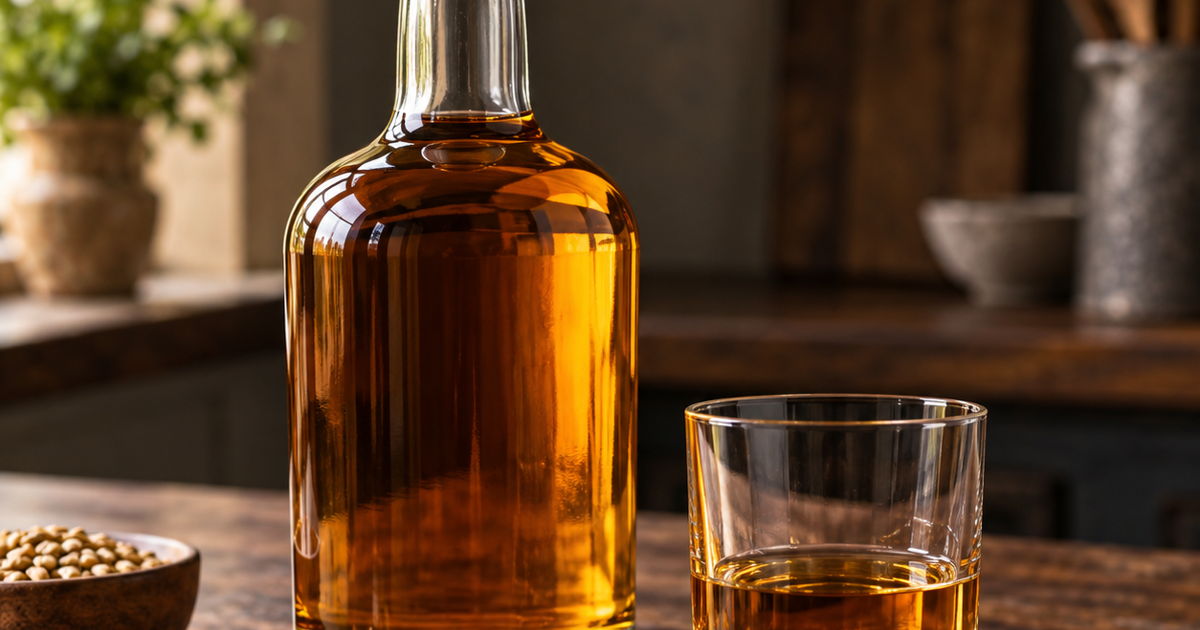
Irish whiskey is a smooth, flavorful spirit traditionally produced in Ireland. It is widely used in cocktails, coffee drinks, sauces, marinades, desserts, cakes, and other homemade recipes. Irish whiskey pairs especially well with brown sugar, lemon juice, and cream. Explore recipes with Irish whiskey and discover flavorful ideas for cocktails, warm drinks, desserts, sauces, marinades, and special occasions.
Best Irish Whiskey Recipes
Read more about Irish whiskey
What Is Irish Whiskey?
Irish whiskey is a distilled spirit produced and aged in Ireland according to Irish whiskey regulations. It can be made from malted or unmalted barley and other cereal grains, depending on the style.
Many Irish whiskeys are known for a smooth, approachable flavor with notes that may include vanilla, caramel, fruit, honey, spice, toasted grain, or oak. Flavor varies by producer, grain mixture, distillation method, barrel type, and aging time.
Types of Irish Whiskey
Irish whiskey is produced in several major styles:
- Single malt Irish whiskey – made at one distillery using malted barley.
- Single pot still Irish whiskey – made at one distillery from a mixture of malted and unmalted barley in pot stills.
- Single grain Irish whiskey – made at one distillery using grains and production methods permitted for this style.
- Blended Irish whiskey – combines two or more Irish whiskey styles to create a balanced flavor.
Blended Irish whiskey is commonly used in mixed drinks and cooking, while single malt and single pot still varieties are often enjoyed for their more distinctive flavors.
How to Use Irish Whiskey
Irish whiskey can be served neat, over ice, or mixed into cocktails and warm drinks. It is a key ingredient in Irish coffee and can also be combined with ginger ale, ginger beer, coffee, lemon juice, honey, or cream.
In cooking, Irish whiskey adds depth to sauces, glazes, marinades, cakes, puddings, chocolates, and other desserts. Begin with a small amount because its flavor can become concentrated as a sauce or mixture reduces.
Popular Irish Whiskey Drinks
Irish whiskey can be used in a variety of classic and modern drinks:
- Irish coffee – Irish whiskey, hot coffee, sugar, and lightly whipped cream.
- Irish whiskey sour – Irish whiskey, lemon juice, and a sweetener.
- Irish mule – Irish whiskey, ginger beer, and lime juice.
- Whiskey and ginger – Irish whiskey served with ginger ale and a citrus garnish.
- Irish old fashioned – Irish whiskey combined with sugar and bitters.
Measure spirits carefully and adjust citrus juice, sweetener, and mixers according to the strength and flavor of the whiskey.
How to Cook With Irish Whiskey
Irish whiskey can be used to deglaze a pan, flavor a cream sauce, enrich a glaze, or add complexity to a marinade. It pairs well with beef, pork, chicken, mushrooms, onions, mustard, honey, brown sugar, chocolate, and coffee.
Add whiskey away from an open flame because alcohol is flammable. A portion of the alcohol may remain after cooking, depending on the amount used, temperature, cooking method, and cooking time.
Irish Whiskey Substitutes
The best substitute depends on the recipe:
- Use bourbon for sauces, glazes, marinades, cakes, and desserts with a sweeter flavor.
- Use Scotch whisky when a stronger, maltier, or smoky flavor is suitable.
- Use another mild whiskey in cocktails and cooked recipes.
- Use alcohol-free whiskey alternative in drinks or recipes when appropriate.
- Use apple juice, white grape juice, coffee, or broth in alcohol-free recipes, depending on whether the dish is sweet or savory.
Substitutions will change the finished flavor. If replacing Irish whiskey with a sweeter liquid, reduce other sweeteners when necessary.
Irish Whiskey vs. Bourbon
Irish whiskey must be produced in Ireland and can be made in several styles using different grain combinations and distillation methods. Bourbon is an American whiskey made from a grain mixture containing at least 51% corn and aged in new charred oak containers.
Irish whiskey is often described as smooth, light, fruity, or grain-forward, while bourbon commonly has stronger notes of caramel, vanilla, and oak. Individual bottles can vary considerably.
How to Store Irish Whiskey
Store Irish whiskey upright in a cool, dark place away from direct sunlight, heat, and major temperature changes. Keep the bottle tightly closed to limit evaporation and oxidation.
Unlike wine, whiskey does not continue aging in the bottle. An unopened bottle can retain its quality for a long time when stored properly. After opening, flavor may gradually change as more air enters the bottle.
Keep Irish whiskey securely stored away from children and anyone under the legal drinking age.
Frequently Asked Questions
What does Irish whiskey taste like?
Irish whiskey is often smooth and approachable, with possible notes of vanilla, caramel, fruit, honey, spice, grain, and oak. The exact flavor depends on the whiskey’s ingredients, production method, barrels, and age.
Is Irish whiskey the same as Scotch whisky?
No. Irish whiskey is produced in Ireland, while Scotch whisky is produced in Scotland. They follow different production regulations and can have noticeably different flavor profiles.
Can Irish whiskey be used for cooking?
Yes. Irish whiskey can add flavor to sauces, marinades, glazes, cakes, puddings, chocolates, and other desserts. Add it carefully and keep it away from open flames.
Does all the alcohol cook out of Irish whiskey?
Not necessarily. The amount remaining depends on the cooking temperature, method, time, and quantity used. Do not assume that a cooked dish is completely alcohol-free.
What is the best Irish whiskey for cocktails?
A smooth blended Irish whiskey is a versatile choice for Irish coffee, whiskey sours, highballs, and other mixed drinks. More strongly flavored varieties can be selected when the whiskey should remain prominent.
Is Irish whiskey gluten-free?
Distillation generally separates the spirit from grain proteins, but flavored whiskey products and additives may differ. People who must strictly avoid gluten should review the product label and consult the manufacturer when necessary.
