Feta Cheese
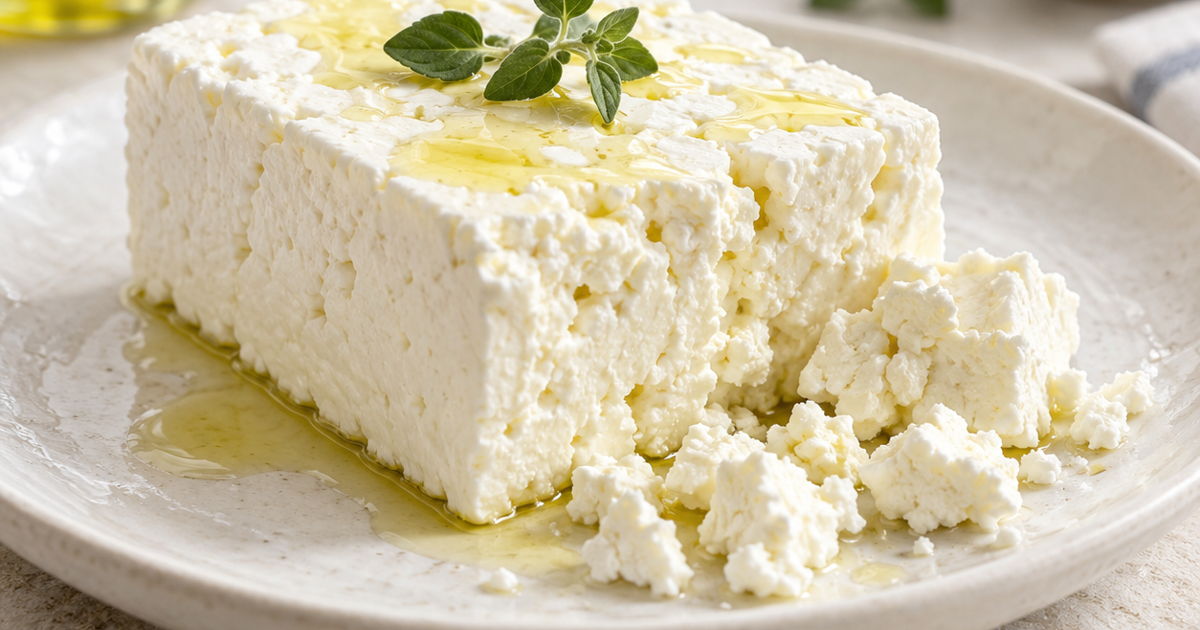
Feta cheese is a brined cheese known for its tangy, salty flavor and soft, crumbly texture. It is widely used in salads, pasta, pastries, dips, sandwiches, appetizers, and baked dishes. Feta cheese pairs especially well with tomatoes, red onion, and lemon juice. Explore easy recipes with feta cheese and discover flavorful ideas for breakfast, lunch, dinner, salads, appetizers, and homemade Mediterranean-inspired dishes.
Best Feta Cheese Recipes
Read more about feta cheese
What Is Feta Cheese?
Feta is a soft, white cheese traditionally associated with Greece. Authentic Greek feta is made from sheep’s milk or a mixture of sheep’s and goat’s milk, then aged in brine. The brining process gives feta its characteristic salty, tangy flavor and moist, crumbly texture.
Feta can be crumbled over finished dishes, baked in blocks, blended into dips, or added to fillings. Its bold flavor means that a relatively small amount can add noticeable richness and saltiness to a recipe.
Types of Feta Cheese
The texture and flavor of feta can vary depending on the milk, production method, and country of origin:
- Greek feta – traditionally made with sheep’s milk or a combination of sheep’s and goat’s milk, with a tangy and savory flavor.
- Sheep’s-milk feta – rich, creamy, and usually less acidic than versions containing more goat’s milk.
- Goat’s-milk feta-style cheese – often firmer and more noticeably tangy.
- Cow’s-milk feta-style cheese – typically mild and creamy but not considered traditional Greek feta.
- Crumbled feta – convenient for salads and toppings, although it may be drier than feta sold in brine.
How to Use Feta Cheese
Feta cheese can be crumbled over salads, roasted vegetables, eggs, pasta, grain bowls, pizza, flatbreads, soups, and baked potatoes. It can also be added to omelets, sandwiches, stuffed chicken, savory pastries, dips, and spreads.
A block of feta can be baked with tomatoes, herbs, garlic, or vegetables until warm and creamy. For dips and sauces, blend feta with yogurt, cream cheese, olive oil, or lemon juice.
What Goes Well With Feta Cheese?
Feta pairs especially well with tomatoes, cucumbers, olives, red onion, spinach, watermelon, roasted peppers, avocado, chickpeas, herbs, and leafy greens. Its salty flavor also complements eggs, chicken, pasta, seafood, and roasted vegetables.
Popular seasonings for feta include oregano, parsley, dill, mint, basil, garlic, black pepper, and lemon juice. Taste the dish before adding extra salt because feta is naturally salty.
How to Make Feta Less Salty
If feta tastes too salty for a particular recipe, briefly rinse it under cold water and pat it dry. It can also be soaked for a short time in cold water or milk to reduce some of the saltiness.
Taste the cheese after soaking and avoid leaving it in liquid longer than necessary, as this may soften its texture and reduce its characteristic flavor.
Feta Cheese Substitutes
The best substitute depends on the recipe:
- Use goat cheese for a soft texture and tangy flavor.
- Use ricotta salata for salads, pasta, and recipes that need a firm, salty cheese.
- Use queso fresco for a mild flavor and crumbly texture.
- Use cottage cheese when a softer, milder alternative is acceptable.
- Use blue cheese when a stronger and more intense flavor works with the dish.
- Use a suitable dairy-free feta alternative for plant-based recipes.
Substitutes vary in saltiness, moisture, and texture. Adjust the seasoning and quantity to suit the recipe.
How to Store Feta Cheese
Keep feta cheese refrigerated and follow the storage instructions on its package. Feta sold in brine should remain covered by the brine inside a clean, tightly sealed food-safe container. This helps preserve its moisture, texture, and flavor.
Keep crumbled feta tightly sealed and use clean utensils when serving it. Discard the cheese if it develops an unpleasant odor, slimy texture, unusual discoloration, or mold that was not present when purchased.
Feta can be frozen, but freezing may make it drier and more crumbly. Previously frozen feta is generally best used in baked dishes, sauces, fillings, and casseroles.
Frequently Asked Questions
Is feta cheese made from cow’s milk?
Traditional Greek feta is made from sheep’s milk or a combination of sheep’s and goat’s milk. Some feta-style cheeses produced outside Greece are made from cow’s milk, so check the package for details.
Can feta cheese be melted?
Feta softens and becomes creamy when heated, but it does not usually melt into a smooth, stretchy layer like mozzarella or cheddar. It works especially well when baked, broiled, or stirred into warm dishes.
Can feta cheese be eaten without cooking?
Yes. Feta is ready to eat and can be crumbled directly over salads, sandwiches, grain bowls, vegetables, and other dishes.
Why is feta cheese so salty?
Feta is aged and stored in brine, which contributes to its characteristic salty flavor. Briefly rinsing or soaking it can reduce some of the saltiness when needed.
Can feta cheese be frozen?
Yes, but its texture may become drier and more crumbly after thawing. Frozen feta is usually better for cooking than for serving fresh in salads.
Is feta cheese gluten-free?
Many plain feta cheeses do not contain gluten ingredients. However, flavored products, additives, and manufacturing practices may vary. Check the package for a certified gluten-free label if gluten must be strictly avoided.
