Black Bean Recipes
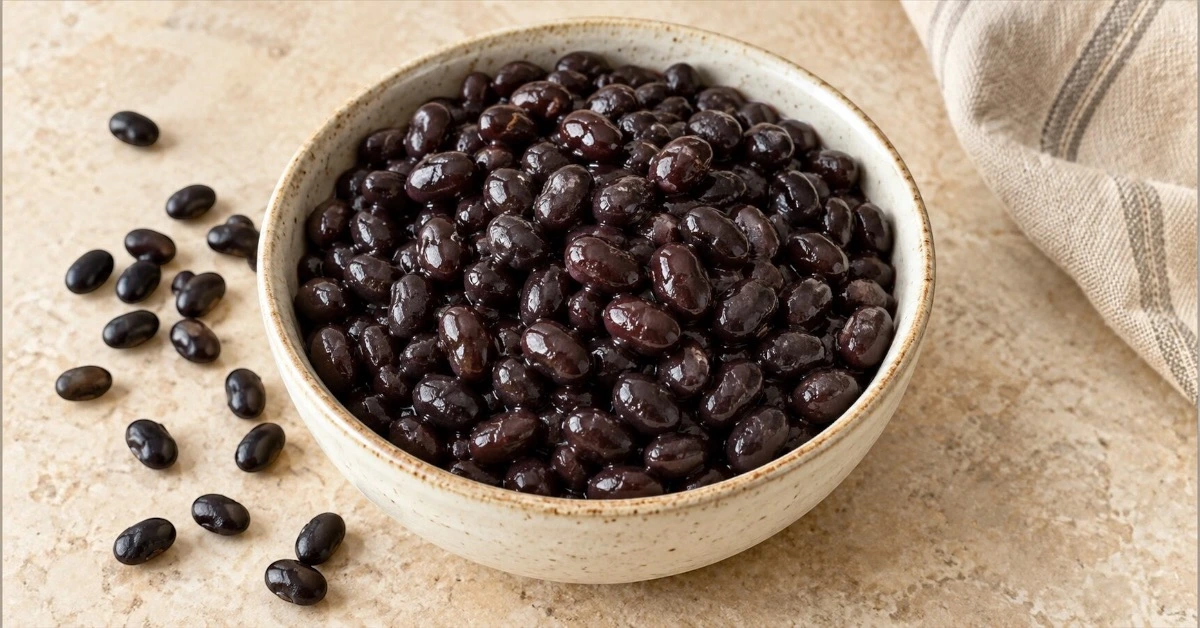
Black beans are a versatile legume with a mild, earthy flavor and creamy texture. They work well in soups, salads, tacos, burritos, rice bowls, dips, chili, and vegetarian meals. Black beans pair especially well with rice, avocado, tomatoes, garlic, and lime. Explore easy recipes with black beans and discover delicious ideas for lunch, dinner, appetizers, salads, and healthy everyday meals.
Best Black Bean Recipes
Read more about Black Bean
What Are Black Beans?
Black beans are small legumes with shiny black skins and creamy interiors. They have a mild, earthy flavor that absorbs seasonings well, making them a versatile ingredient in Mexican, Latin American, Caribbean, Southwestern, and everyday home cooking.
Black beans can be purchased dried or canned and used in tacos, burritos, soups, chili, salads, dips, casseroles, and rice bowls. They also provide plant-based protein and fiber, making them a popular ingredient in vegetarian and vegan meals.
Canned vs. Dried Black Beans
Canned black beans are already cooked and offer a convenient option for quick meals. Drain and rinse them before use to remove excess liquid and reduce the amount of sodium from the canning liquid.
Dried black beans take longer to prepare but allow greater control over their texture, seasoning, and salt level. They are particularly useful when cooking large batches for soups, stews, meal preparation, and freezer storage.
How to Cook Dried Black Beans
Sort through dried beans and remove any damaged beans or small pieces of debris. Rinse them thoroughly under cool water. Soaking is optional, but it can shorten the cooking time and help the beans cook more evenly.
Place the beans in a pot and cover them with fresh water. Bring the water to a boil, then reduce the heat and simmer until the beans are tender. Cooking time can vary depending on the age of the beans and whether they were soaked.
Add additional water when necessary to keep the beans covered. Acidic ingredients such as tomatoes, vinegar, or lime juice are usually best added after the beans have softened because acidity may slow the tenderizing process.
How to Use Black Beans
Black beans can be added to tacos, burritos, enchiladas, quesadillas, nachos, chili, soups, salads, grain bowls, and casseroles. They can also be mashed to create dips, spreads, refried-style beans, veggie burgers, and flavorful fillings.
Their earthy flavor pairs especially well with rice, corn, avocado, tomatoes, garlic, onions, bell peppers, cilantro, cumin, chili powder, and lime juice.
Black Beans and Rice
Black beans and rice create a simple and satisfying combination that can be served as a side dish or complete meal. Add vegetables, herbs, spices, salsa, avocado, cheese, or cooked meat to create different flavors and textures.
For convenient meal preparation, cook the rice and beans separately and combine individual portions when serving. This helps each ingredient maintain its desired texture.
Can Black Beans Replace Other Beans?
Black beans can replace pinto beans, kidney beans, or other firm beans in many soups, salads, tacos, and casseroles. However, each variety has a different flavor, size, and texture, so the finished dish may change slightly.
They can also be used instead of chickpeas in some salads, dips, and veggie patties. Choose the bean that best complements the seasonings and other ingredients in the recipe.
How to Store Cooked Black Beans
Allow cooked black beans to cool before transferring them to an airtight container. Refrigerate them promptly and use them within several days. Keeping the beans with a small amount of cooking liquid can help prevent them from drying out.
Black beans can also be frozen in meal-sized portions. Leave a little room in the container for expansion, label it with the date, and thaw the beans in the refrigerator before reheating.
Frequently Asked Questions
Should canned black beans be rinsed?
Rinsing is recommended for most salads, tacos, bowls, and casseroles. However, some soups and chili recipes may use a portion of the canning liquid to add body to the dish.
Do dried black beans need to be soaked?
Soaking is optional, but it can reduce cooking time and help the beans cook more evenly. Unsoaked beans can still be cooked successfully if enough water and additional time are provided.
Why are my black beans still hard?
Old beans, hard water, insufficient cooking time, or acidic ingredients added too early can prevent beans from softening. Continue simmering with enough water and add acidic ingredients after the beans become tender.