Milk Chocolate Recipes
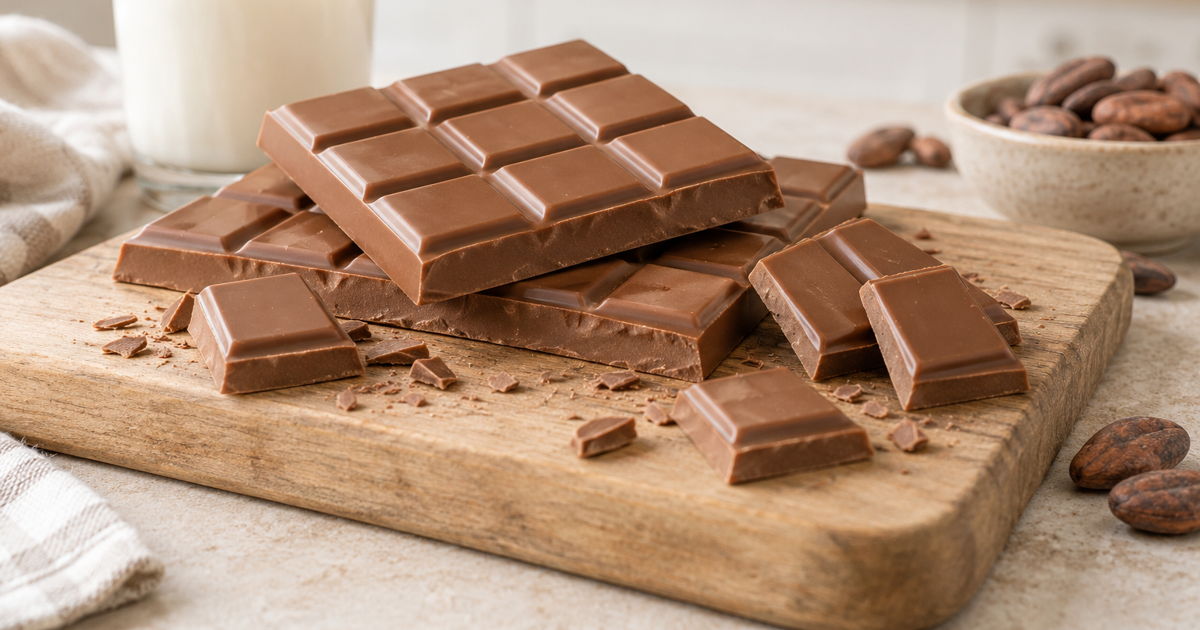
Milk chocolate is a sweet and creamy chocolate variety commonly used in cookies, cakes, brownies, candies, drinks, and homemade desserts. Its smooth texture and mild cocoa flavor pair especially well with caramel, nuts, berries, banana, and vanilla extract. Explore easy recipes with milk chocolate and discover delicious ideas for baking, desserts, snacks, drinks, and special occasions.
Best Milk Chocolate Recipes
Read more about Milk Chocolate
What Is Milk Chocolate?
Milk chocolate is made from cocoa solids, cocoa butter, sugar, and milk ingredients. The addition of milk gives it a lighter color, smooth texture, and sweeter flavor than many other types of chocolate.
Milk chocolate is widely used in candy bars, cookies, brownies, cakes, frostings, sauces, drinks, and decorative toppings. Its mild cocoa flavor makes it a popular choice for family-friendly desserts and homemade treats.
Milk Chocolate vs. Dark Chocolate
Milk chocolate generally contains more sugar and fewer cocoa solids than dark chocolate. It also contains milk powder or another milk ingredient that gives it a creamier texture and softer flavor.
Dark chocolate has a stronger cocoa taste and is usually less sweet. The two varieties can sometimes be substituted for each other, but the finished recipe may have a different sweetness, color, texture, and chocolate intensity.
How to Use Milk Chocolate
Milk chocolate can be chopped and mixed into cookies, brownies, muffins, pancakes, and quick breads. It can also be melted for cake glaze, frosting, ganache, dipping sauces, candy, and decorative drizzles.
Its sweet and creamy flavor pairs especially well with caramel, peanut butter, almonds, hazelnuts, coconut, coffee, strawberries, raspberries, bananas, and vanilla extract.
Baking with Milk Chocolate
Milk chocolate bars, chips, and chunks can all be used in baking, but they behave differently. Chocolate chips are designed to hold their shape, while chopped baking bars generally melt more smoothly in ganache, sauces, and glazes.
Because milk chocolate is relatively sweet, consider the other sweeteners in the recipe. When replacing darker chocolate with milk chocolate, the finished dessert may taste sweeter and have a milder cocoa flavor.
How to Melt Milk Chocolate
Milk chocolate melts at a relatively low temperature and can scorch easily. Melt it slowly in a microwave using short intervals, stirring after each interval, or place it in a dry, heat-safe bowl over gently simmering water.
Remove it from the heat when a few small pieces remain and continue stirring until completely smooth. Keep water and steam away from the chocolate because moisture can cause it to become thick or grainy.
Milk Chocolate Chips vs. Milk Chocolate Bars
Milk chocolate chips are convenient for cookies, muffins, pancakes, and recipes where the chocolate should retain some of its shape. Baking bars are usually better for recipes requiring smoothly melted chocolate.
When substituting one for the other, use the weight specified in the recipe whenever possible. Different products may contain varying amounts of cocoa butter, sugar, and stabilizing ingredients.
How to Store Milk Chocolate
Store milk chocolate in a cool, dry place away from direct sunlight, moisture, heat, and strong odors. Keep it tightly wrapped or place it in an airtight container to protect its flavor and texture.
A pale coating may occasionally appear on stored chocolate because of changes in fat or sugar. This is called chocolate bloom. Bloomed chocolate may look different but can often still be used in baked recipes.
Frequently Asked Questions
Can milk chocolate be used for baking?
Yes. Milk chocolate works well in cookies, brownies, muffins, cakes, frostings, sauces, and many other desserts. Remember that it adds more sweetness than most dark or semisweet chocolate.
Can milk chocolate replace dark chocolate?
It can be substituted in some recipes, but it will create a sweeter and milder chocolate flavor. It may also change the texture of ganache, sauces, and other recipes that depend on a particular chocolate composition.
Why is my melted milk chocolate too thick?
Milk chocolate may become thick if it is overheated or comes into contact with water. Melt it gently, stir frequently, and ensure that all bowls and utensils are completely dry.