Creamy Peanut Butter
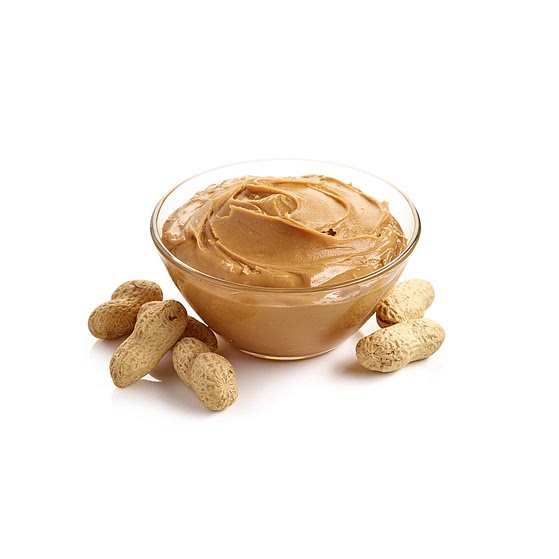
Creamy peanut butter is a smooth and versatile ingredient with a rich, nutty flavor. It works well in cookies, cakes, smoothies, sauces, sandwiches, oatmeal, and homemade snacks. Creamy peanut butter pairs especially well with banana, chocolate, honey, and berries. Explore easy recipes with creamy peanut butter and discover delicious ideas for breakfast, baking, desserts, snacks, drinks, and savory meals.
Best Creamy Peanut Butter Recipes
Read more about Creamy Peanut Butter
What Is Creamy Peanut Butter?
Creamy peanut butter is a smooth spread made primarily from ground roasted peanuts. Depending on the product, it may also contain salt, sugar, oil, or stabilizing ingredients that help maintain an even consistency.
Its smooth texture makes creamy peanut butter easy to spread, mix, and blend into recipes. It can be used in sandwiches, cookies, cakes, smoothies, oatmeal, sauces, dips, frostings, and homemade snacks.
Natural vs. Conventional Creamy Peanut Butter
Natural peanut butter is usually made with peanuts and may include salt. Because it often contains no stabilizers, the natural peanut oil can separate and rise to the top of the jar. Stir it thoroughly before using.
Conventional creamy peanut butter commonly contains stabilizing ingredients that prevent separation and create a consistently smooth texture. It may also contain added sugar, salt, or oil.
The two varieties can behave differently in baking. Unless a recipe specifically calls for natural peanut butter, conventional creamy peanut butter often produces more predictable cookies, frostings, and fillings.
How to Use Creamy Peanut Butter
Creamy peanut butter can be spread on toast, sandwiches, crackers, pancakes, and waffles. It can also be stirred into oatmeal, yogurt, smoothies, sauces, dips, and dessert fillings.
Its nutty flavor pairs especially well with bananas, apples, berries, chocolate, cocoa powder, coconut, cinnamon, coffee, caramel, and honey.
Baking with Creamy Peanut Butter
Creamy peanut butter can add flavor, moisture, and richness to cookies, brownies, cakes, muffins, bars, and quick breads. It can also be used in frosting, cheesecake filling, and no-bake desserts.
Measure peanut butter using the method specified in the recipe. If using natural peanut butter, stir the jar thoroughly so the oil and peanut solids are evenly combined before measuring.
Creamy vs. Crunchy Peanut Butter
Creamy peanut butter has a smooth, uniform texture, while crunchy peanut butter contains small pieces of peanuts. Both have a similar nutty flavor, but crunchy peanut butter adds additional texture.
They can be substituted for each other in many sandwiches, sauces, and baked recipes. However, creamy peanut butter is usually better when a recipe requires a smooth frosting, dip, filling, or sauce.
Peanut Butter in Savory Recipes
Creamy peanut butter is not limited to sweet recipes. It can be combined with soy sauce, lime juice, garlic, ginger, and spices to make sauces and dressings for noodles, vegetables, chicken, and grain bowls.
Add warm water gradually when thinning peanut butter for a sauce. Stir until it reaches the desired consistency, then adjust the seasonings according to the recipe.
How to Store Creamy Peanut Butter
Check the package instructions because storage recommendations vary by product. Conventional peanut butter can often be stored in a cool, dry pantry after opening, while some natural varieties may require refrigeration.
Always use a clean utensil and close the jar tightly after each use. Discard peanut butter that develops mold, an unpleasant odor, or an unusual flavor.
Peanut Allergy Information
Creamy peanut butter contains peanuts and is unsuitable for anyone with a peanut allergy. Check every ingredient label because baked goods, sauces, and prepared foods may contain peanut butter even when it is not immediately visible.
When preparing food for other people, ask about allergies and prevent contact between peanut products and utensils, surfaces, or foods intended to be peanut-free.
Frequently Asked Questions
Can creamy peanut butter be used for baking?
Yes. It can be used in cookies, brownies, cakes, muffins, bars, frostings, and other desserts. Use the specific variety recommended by the recipe for the most predictable texture.
Why does natural peanut butter separate?
Natural peanut oil can rise to the top because the product does not contain stabilizers that keep the ingredients permanently blended. Stir it thoroughly before measuring or serving.
Can creamy peanut butter replace crunchy peanut butter?
Yes, in many recipes. Creamy peanut butter will create a smoother texture, while crunchy peanut butter will add small pieces of peanuts.