Blackberry
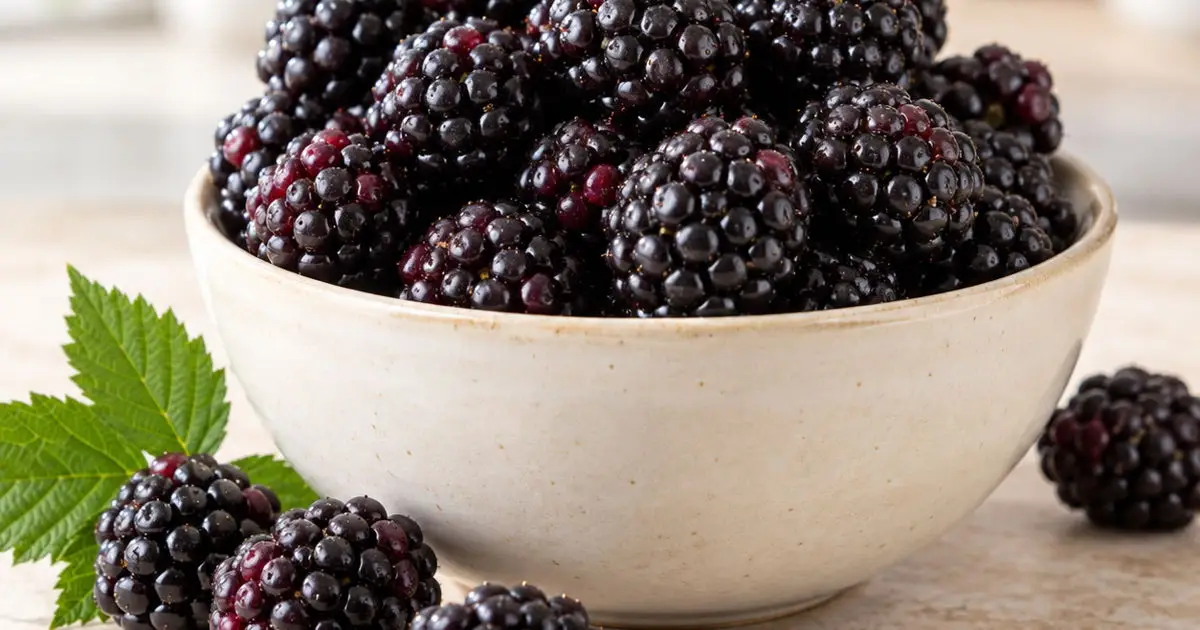
Blackberries are juicy, dark-colored berries with a sweet-tart flavor and soft texture. They are widely used in smoothies, pies, cobblers, muffins, cakes, sauces, salads, drinks, and homemade desserts. Blackberries pair especially well with Greek yogurt, lemon juice, and vanilla extract. Explore easy blackberry recipes and discover delicious ideas for breakfast, baking, desserts, drinks, salads, and seasonal treats.
Best Blackberry Recipes
Read more about blackberries
What Are Blackberries?
Blackberries are small aggregate fruits made up of many individual juice-filled sections called drupelets. Ripe blackberries are usually deep purple or nearly black and have a juicy texture with a balanced sweet and tart flavor.
They can be eaten fresh or used frozen, cooked, blended, or strained. Blackberries work well in both sweet recipes and selected savory dishes.
How to Choose Fresh Blackberries
Choose blackberries that are plump, deeply colored, and mostly dry. They should look fresh and hold their shape without leaking excessive juice.
Avoid packages containing mold, crushed fruit, excessive moisture, or berries with an unpleasant fermented odor. Blackberries are delicate, so handle them gently to prevent bruising.
How to Use Blackberries
Fresh blackberries can be added to yogurt, oatmeal, cereal, pancakes, waffles, salads, parfaits, and fruit bowls. They can also be used as a topping for cheesecake, ice cream, toast, and other desserts.
Cooked blackberries work well in pies, cobblers, crisps, muffins, cakes, sauces, compotes, jams, and syrups. They can also be blended into smoothies, lemonade, cocktails, mocktails, and salad dressings.
Fresh vs. Frozen Blackberries
Fresh blackberries are best for garnishes, salads, parfaits, fruit bowls, and dishes where appearance and firm texture are important.
Frozen blackberries are convenient for smoothies, sauces, pies, cobblers, muffins, and other baked recipes. They can often be used without thawing, but they may release additional liquid and color into the batter.
How to Wash Blackberries
Place blackberries in a colander and gently rinse them under cool running water shortly before serving or cooking. Avoid soaking them for an extended period because they can absorb moisture and become soft.
Carefully dry the berries with a clean towel or paper towel when excess moisture could affect the recipe. Do not wash them with soap or household cleaning products.
How to Remove Blackberry Seeds
Cook or blend the blackberries until they release their juice. Press the mixture through a fine-mesh strainer using the back of a spoon or a flexible spatula.
Discard the seeds and use the strained puree in sauces, syrups, drinks, desserts, frostings, or salad dressings. Straining is optional when the seeds do not affect the desired texture.
Blackberry Substitutes
The best substitute depends on the recipe:
- Use raspberries for a similar soft texture and tart flavor.
- Use blueberries in muffins, pancakes, smoothies, cakes, and sauces.
- Use strawberries in desserts, salads, drinks, and breakfast recipes.
- Use mixed berries in pies, cobblers, smoothies, jams, and compotes.
- Use cherries in sauces, pies, desserts, and baked recipes when a firmer texture is acceptable.
Substitutions may change the sweetness, acidity, color, moisture, and number of seeds in the finished recipe.
How to Store Blackberries
Refrigerate blackberries in their original ventilated package or another breathable food-safe container. Keep them dry and wash them shortly before use because excess moisture can encourage faster spoilage.
Remove damaged or moldy berries promptly to help protect the remaining fruit. Discard berries that develop mold, leaking liquid, a fermented odor, or an excessively soft and slimy texture.
For longer storage, freeze clean and thoroughly dried blackberries in a single layer before transferring them to a freezer-safe container.
Frequently Asked Questions
Can you eat blackberry seeds?
Yes. Blackberry seeds are edible, although some people prefer to strain them from sauces, purees, drinks, and desserts for a smoother texture.
Can frozen blackberries replace fresh blackberries?
Yes, in many smoothies, sauces, muffins, pies, cobblers, and baked desserts. Frozen berries may release more liquid and color, so the recipe may require a small adjustment.
Should blackberries be washed before storing?
Blackberries generally keep better when stored dry and washed shortly before use. If they are washed in advance, dry them thoroughly before refrigeration.
Why are blackberries sour?
Blackberries may taste sour when they are not fully ripe or when the particular variety is naturally tart. Sugar, honey, vanilla, or lemon zest can help balance their flavor in recipes.
Can blackberries be frozen?
Yes. Wash and thoroughly dry them, freeze them in a single layer, and then transfer the frozen berries to a tightly sealed freezer-safe container.
Are blackberries gluten-free?
Plain fresh and frozen blackberries naturally do not contain gluten. Blackberry pie filling, sauces, jams, drinks, and flavored products may contain additional ingredients, so check the package when gluten must be strictly avoided.