Recipes with Alfalfa Sprouts
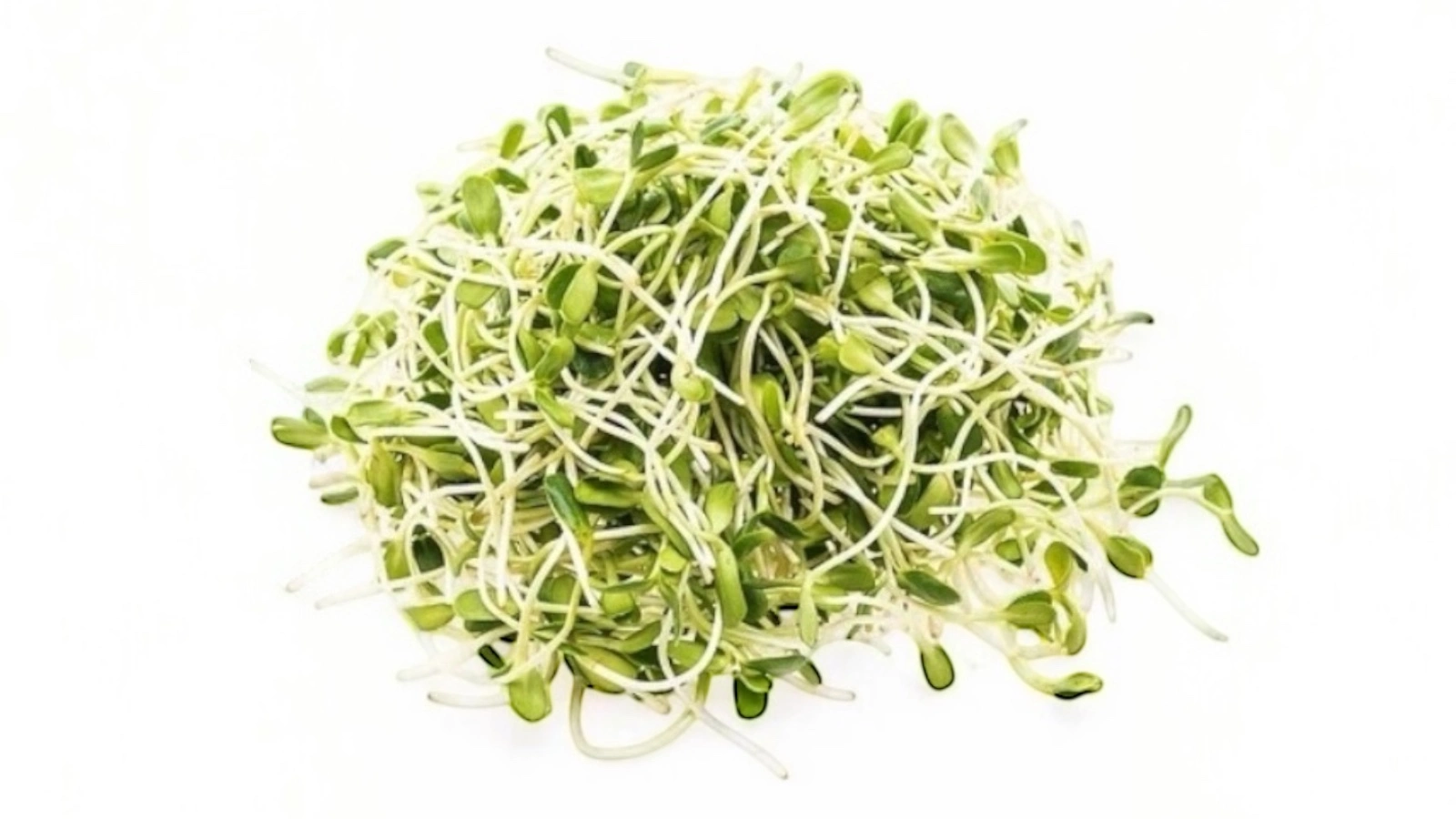
Alfalfa sprouts are delicate young shoots with a mild, fresh flavor and crisp texture. They are commonly added to sandwiches, wraps, salads, grain bowls, and other light dishes. Alfalfa sprouts pair especially well with avocado, tomatoes, cucumber, eggs, and lemon juice. Explore easy recipes with alfalfa sprouts and discover fresh ideas for lunch, salads, sandwiches, snacks, and healthy everyday meals.
Best Alfalfa Sprout Recipes
Read more about Alfalfa sprouts
What Are Alfalfa Sprouts?
Alfalfa sprouts are the young shoots that grow from germinated alfalfa seeds. They have thin white stems, small green leaves, a delicate texture, and a mild flavor that complements many fresh dishes.
Alfalfa sprouts are commonly served in sandwiches, wraps, salads, bowls, and appetizers. Because they are delicate, they are usually added near the end of preparation rather than cooked for a long time.
How to Use Alfalfa Sprouts
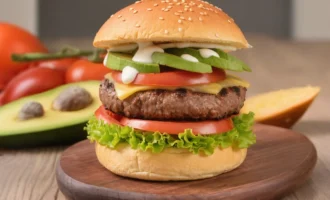
Alfalfa sprouts can add freshness and a light crunch to sandwiches, wraps, burgers, salads, tacos, and grain bowls. They can also be used as a garnish for soups, avocado toast, egg dishes, and vegetable plates.
Their mild flavor pairs especially well with avocado, tomatoes, cucumber, carrots, radishes, leafy greens, eggs, chicken, cheese, hummus, and lemon-based dressings.
Do Alfalfa Sprouts Need to Be Washed?
Rinse alfalfa sprouts thoroughly under cool running water before using them. Drain them well and gently dry them with clean paper towels or a salad spinner intended for delicate greens.
Rinsing can remove surface dirt, but it may not eliminate all harmful bacteria. Always follow the storage instructions on the package and discard sprouts that appear slimy, discolored, or spoiled.
Food Safety and Raw Alfalfa Sprouts
The warm and humid conditions needed to grow sprouts can also allow harmful bacteria to multiply. Contamination may be present inside or on the surface of the seeds, which means careful rinsing alone cannot guarantee that raw sprouts are free from bacteria.
Children, pregnant people, older adults, and people with weakened immune systems should avoid eating raw or lightly cooked sprouts. Thorough cooking helps reduce the risk of foodborne illness.
Alfalfa Sprouts in Sandwiches and Wraps
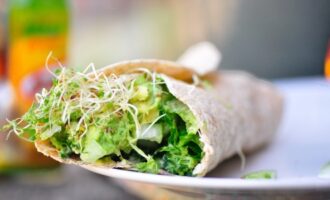
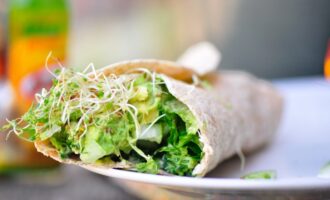
Add alfalfa sprouts immediately before serving to preserve their fresh texture. They work well in turkey, chicken, egg, tuna, cheese, hummus, and vegetable sandwiches.
For a simple vegetarian combination, layer sprouts with avocado, tomatoes, cucumber, leafy greens, and a flavorful spread. Avoid placing wet sprouts directly against bread if the sandwich will not be eaten immediately.
Alfalfa Sprouts in Salads
Alfalfa sprouts can be mixed with lettuce, spinach, arugula, tomatoes, cucumber, carrots, radishes, and other fresh vegetables. Their delicate texture works particularly well with light vinaigrettes and citrus-based dressings.
Add the sprouts after heavier ingredients have been mixed to prevent crushing them. Serve the salad promptly for the best texture and freshness.
Can Alfalfa Sprouts Be Cooked?
Yes. Alfalfa sprouts can be added to stir-fries, soups, egg dishes, and other cooked recipes. Because they cook quickly, add them near the end unless thorough cooking is needed for food-safety reasons.
Cooked sprouts will become softer and lose some of their fresh crunch, but they can still add mild flavor and texture to a dish.
Alfalfa Sprouts Nutrition Facts
Alfalfa sprouts are low in calories and provide protein, fiber, vitamin K, vitamin C, folate, and several essential minerals. The table below shows the approximate nutritional value of raw alfalfa sprouts.
| Nutrient | Per 1 Cup (33 g) | Per 100 g |
|---|---|---|
| Calories | 8 kcal | 23 kcal |
| Protein | 1.3 g | 4.0 g |
| Total Fat | 0.2 g | 0.7 g |
| Carbohydrates | 0.7 g | 2.1 g |
| Dietary Fiber | 0.6 g | 1.9 g |
| Total Sugars | 0.1 g | 0.2 g |
| Calcium | 11 mg | 32 mg |
| Iron | 0.3 mg | 1.0 mg |
| Magnesium | 9 mg | 27 mg |
| Potassium | 26 mg | 79 mg |
| Sodium | 2 mg | 6 mg |
| Vitamin C | 2.7 mg | 8.2 mg |
| Vitamin K | 10.1 mcg | 30.5 mcg |
| Folate | 12 mcg | 36 mcg |
Nutritional values are approximate and may vary depending on freshness, growing conditions, and serving size.
How to Store Alfalfa Sprouts
Keep alfalfa sprouts refrigerated and store them according to the package instructions. Place them in a clean container and avoid excess moisture, which can cause them to spoil more quickly.
Use sprouts while they are fresh. Discard them if they develop an unpleasant odor, dark discoloration, mold, or a slimy texture. Do not eat sprouts after their recommended use-by date.
Frequently Asked Questions
Can you eat alfalfa sprouts raw?
Many people add them raw to sandwiches and salads, but raw sprouts can carry harmful bacteria. People at increased risk of foodborne illness should avoid raw or lightly cooked sprouts.
What do alfalfa sprouts taste like?
Alfalfa sprouts have a mild, fresh, slightly earthy flavor. They add delicate crunch without overpowering the other ingredients in a recipe.
How long do alfalfa sprouts stay fresh?
The storage time depends on their freshness and packaging. Keep them refrigerated, follow the package date, and discard them if they become slimy, discolored, moldy, or unpleasant-smelling.